



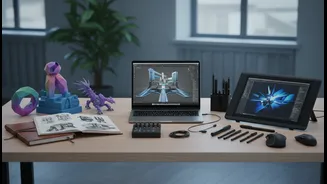



Beyond the Food Delivery App
When people hear 'gig economy', they often think of ride-sharing or food delivery. While those jobs are part of it, for Generation Z, the landscape is much broader and more creative. This digital-native cohort is pioneering a new era of freelance work
that revolves around skills learned online and monetized through global platforms. We're talking about everything from graphic design, video editing, and social media management to coding, AI prompt engineering, and digital marketing. Unlike previous generations who might have taken on part-time retail jobs, many young people today are building a 'portfolio career' from their laptops, often before they even graduate.
The Driving Forces: Flexibility, Finance, and Fulfilment
So, why the mass movement towards gig work? The reasons are multifaceted. A primary driver is the intense desire for flexibility and autonomy. Gen Z values the ability to choose their projects, set their own hours, and work from anywhere, a stark contrast to the rigid structures of traditional employment. Financial independence is another major factor. Faced with rising living costs and economic uncertainty, many are turning to side hustles to supplement their income or build a financial cushion. It's also a strategic career move. Freelancing allows young professionals to build a diverse portfolio, test different career paths, and gain practical experience that makes them more marketable. For many, it's a way to turn a passion into a profession, aligning their work with their personal values and interests.
The Platforms Powering the Revolution
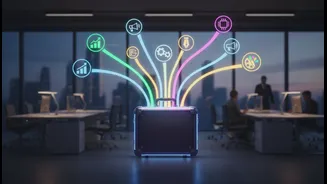
This boom wouldn't be possible without the digital infrastructure that connects talent with clients. Platforms like Upwork, Fiverr, and Freelancer have become bustling marketplaces for skilled services, allowing an Indian designer to work for a startup in London or a writer to craft content for a brand in New York. But it's not just about dedicated freelance sites. Social media platforms like Instagram, YouTube, and LinkedIn have also become powerful tools for personal branding and client acquisition. Creators can monetize their content through brand partnerships, advertising revenue, and selling their own digital products like courses or templates. These platforms have effectively lowered the barrier to entry, making it possible for anyone with a skill and an internet connection to start earning.
The Flip Side: Navigating Instability and Burnout
While the freedom of gig work is appealing, it comes with significant challenges. Income instability is perhaps the biggest hurdle; the flow of projects can be unpredictable, leading to fluctuating monthly earnings. Unlike traditional employees, freelancers receive no benefits like paid leave, health insurance, or retirement funds, placing the full burden of their welfare on their own shoulders. The lines between work and personal life can easily blur, leading to burnout and isolation. Competition is also fierce, especially in popular fields, which can drive down rates and make it difficult for newcomers to gain a foothold. These realities mean that success in the gig economy requires not just a monetizable skill, but also strong discipline, financial planning, and business acumen.