






Beyond the Summit Handshakes
First, it's crucial to understand what the BRICS trade and investment push is not. It is not a dramatic, overnight plan to replace the US dollar or dismantle the existing global financial system. Instead, it's a gradual and pragmatic strategy to create
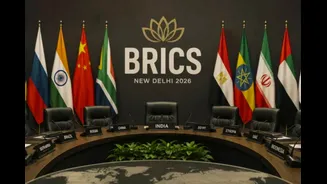
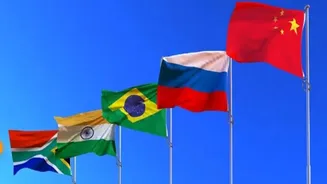
more options for its members—Brazil, Russia, India, China, South Africa, and new additions like Egypt, Iran, and the UAE. The core idea is to build a less dollar-dependent operating space, increase financial resilience, and foster deeper economic ties within the group. This involves two major pillars: encouraging trade in local currencies and using its own financial institutions to fund strategic projects. India, which is chairing the bloc in 2026, has focused the agenda on practical cooperation in areas like trade, technology, and sustainable development.
The Local Currency Drive
A central part of the BRICS strategy is de-dollarization, which simply means reducing reliance on the US dollar for international trade. When an Indian business trades with a Brazilian one, transactions are typically converted to US dollars, which adds costs and exposure to currency fluctuations. The BRICS initiative encourages settling these transactions directly in rupees and reais. This is already happening. Russia and China now settle over 90% of their bilateral trade in their own currencies, and the India-Russia payment infrastructure allows for the vast majority of their trade to be conducted in rupees and roubles. The goal is to make cross-border payments cheaper and faster. This is being facilitated by linking the national payment systems of member countries, like India's UPI, through platforms such as BRICS Pay. It's a pragmatic step toward financial sovereignty, not a declaration of economic war.
The New Development Bank's Growing Role
The most concrete achievement of the BRICS economic agenda is the New Development Bank (NDB). Established in 2015, the NDB acts as the bloc's alternative to the World Bank and IMF, mobilizing resources for infrastructure and sustainable development projects. By mid-2026, the NDB had approved nearly $44 billion for over 140 projects. Crucially, the bank is committed to increasing lending in local currencies. For its 2022-2026 strategy, the NDB aims to have 30% of its financing denominated in the national currencies of its members. This helps borrowing countries avoid the risks associated with taking on debt in US dollars. Recent approvals include a $1 billion loan for urban infrastructure in South Africa and funding for a new metro line in Lucknow, India. This shows a clear focus on tangible development within member states.
Boosting Trade and Supporting Small Business
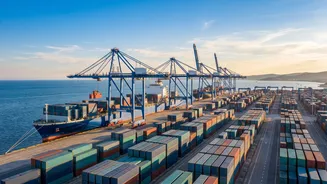
While intra-BRICS trade has grown significantly, it still has a lot of untapped potential. To address this, India's 2026 chairship is promoting initiatives aimed at making supply chains more resilient and diversified. A key focus is on making it easier for Micro, Small, and Medium Enterprises (MSMEs) to participate in global trade. Proposed ideas include a BRICS MSME Cooperation Portal to connect businesses with financing and a BRICS Startup Innovation Fund. Another practical proposal is an invoice discounting mechanism, which would help smaller exporters get access to trade finance more easily. These initiatives are designed to move beyond high-level agreements and create real opportunities for businesses on the ground, integrating them into the value chains of the world's largest emerging economies.