




The Tale of Two Grains
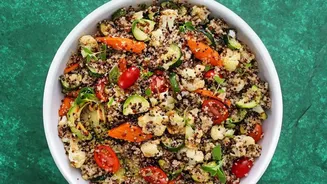
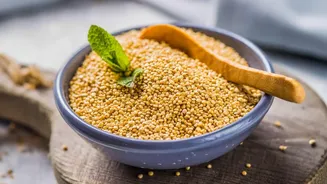
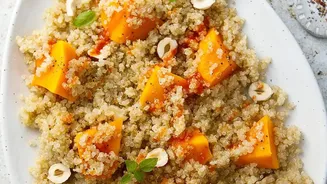
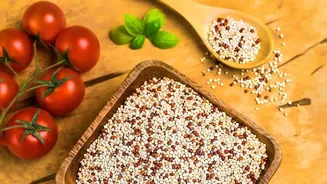
Quinoa, a seed native to the Andes in South America, has enjoyed worldwide fame for over a decade. It arrived in India with a premium price tag and a strong Western health narrative, quickly becoming a staple in salads and diet plans for the health-conscious.
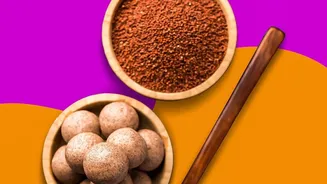
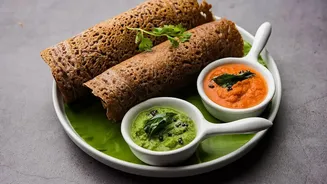
Ragi, also known as finger millet, has a much different story. It's a humble, hardy cereal that has been cultivated across India for thousands of years, forming a core part of regional diets, especially in the south. Once considered a 'poor man's food', ragi is now being rediscovered for the incredible nutritional value it has always possessed.
The Protein Punch: Complete vs. Complementary
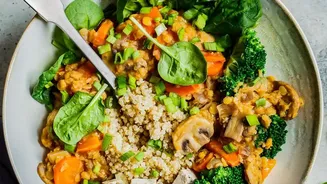
Quinoa's biggest claim to fame is its protein. It's one of the few plant foods that is a 'complete protein', meaning it contains all nine essential amino acids our bodies can't produce on their own. Per 100 grams, uncooked quinoa offers about 14 grams of protein. Ragi, on the other hand, provides a more moderate 7 to 8 grams of protein per 100 grams. Like most cereals, ragi is not a complete protein by itself, as it's low in the amino acid lysine. However, this is easily solved in a typical Indian meal. When paired with dal, sambar, or curd, the amino acid profiles complement each other, creating a complete protein meal at a fraction of the cost of quinoa.
The Fibre Factor
Dietary fibre is crucial for digestive health, managing blood sugar, and providing a feeling of fullness. Here, ragi has a clear advantage. Uncooked ragi contains an impressive 11.2 grams of fibre per 100 grams. In comparison, uncooked quinoa offers around 7 grams of fibre for the same amount. The high fibre content in both grains makes them a better choice than refined grains like white rice. This fibre helps promote regular bowel movements and can aid in weight management by keeping you feeling full for longer.
Micronutrient Matchup: Ragi's Calcium Power
When it comes to minerals, the comparison gets interesting. Quinoa is a good source of magnesium, phosphorus, manganese, and iron. However, ragi is a nutritional superstar in one specific area: calcium. Ragi provides an astonishing 344 mg of calcium per 100 grams. To put that in perspective, it's nearly seven times more calcium than quinoa, which contains about 47 mg per 100 grams. For an Indian population where calcium deficiency can be common, ragi is an exceptional plant-based source, even surpassing milk in calcium density.
Glycemic Index, Gluten, and Cost
For individuals managing blood sugar, both grains are good options. Both are naturally gluten-free and have a similar low-to-medium glycemic index (GI), meaning they release sugar into the bloodstream slowly. The most significant practical difference, however, is cost. Quinoa is primarily imported, and its price reflects shipping, duties, and marketing, often costing four to five times more than ragi. Ragi is a locally grown, affordable, and sustainable crop that fits seamlessly into traditional Indian cooking, from rotis and dosas to porridges.