


The Art of Effortless Style
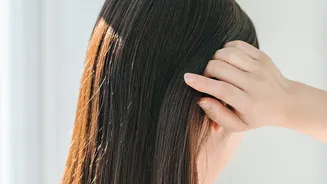
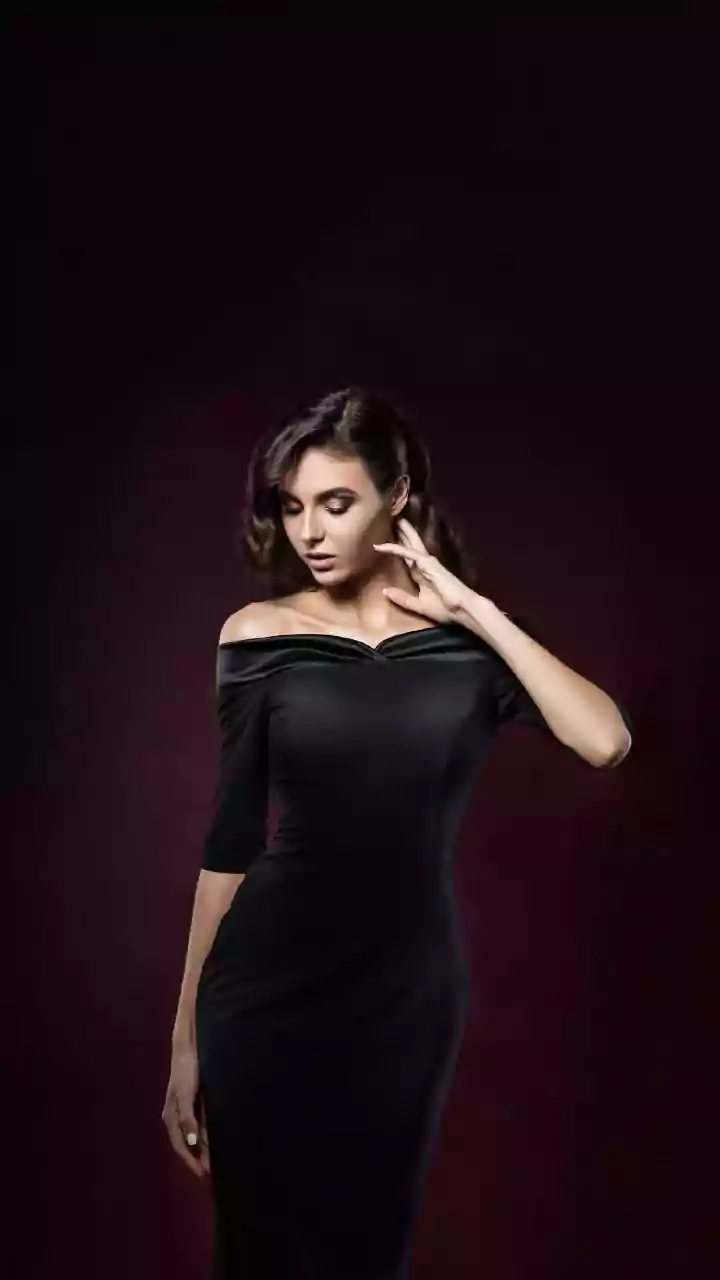
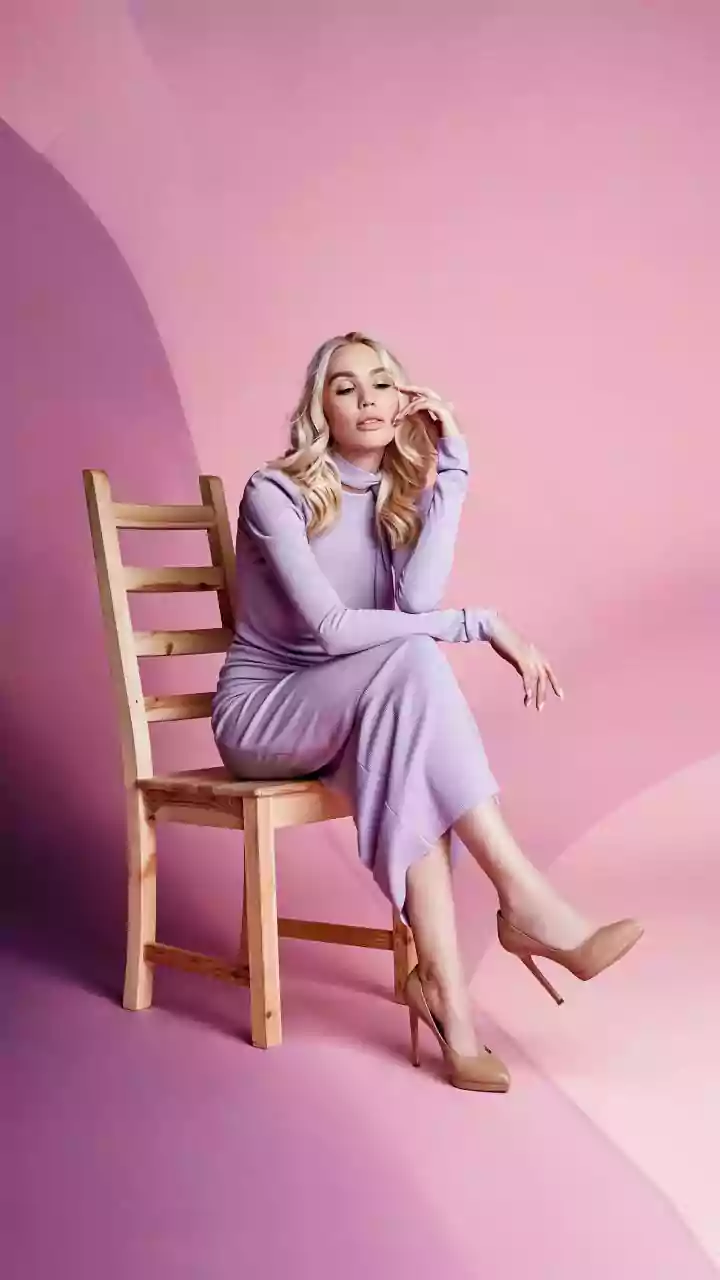
The low chignon is a timeless hairstyle, exuding an air of sophistication that works for both a casual coffee run and a formal event. It's the epitome of 'less is more'. But its real magic lies in its versatility and simplicity, especially when you learn
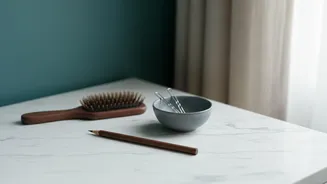
to secure it with an everyday object. Using a pencil, pen, or even a chopstick transforms a simple bun into a statement of resourceful elegance. This method isn't just a clever hack; it's a nod to historical practices where hair sticks and pins were used to hold elaborate styles long before modern accessories existed. It suggests a person who is both practical and effortlessly stylish, someone who can create beauty with the simplest of tools.
Your Step-by-Step Pencil Chignon Guide
Ready to master this deceptively simple updo? It takes less than a minute once you get the hang of it. Start with hair that isn't freshly washed, as the natural oils will provide better grip. 1. Gather Your Hair: Begin by gathering your hair at the nape of your neck, as if you're making a low ponytail. Don't use a hair tie. For a softer, more romantic look, leave a few strands out to frame your face. 2. Twist and Coil: Twist the entire length of your ponytail firmly from the base to the ends. Once twisted, begin coiling the hair around the base, forming a neat, tight bun against your head. Tuck the ends of your hair under the bun. 3. Position the Pencil: Hold the bun in place with one hand. With the other hand, take your pencil and slide it vertically from the top of the bun downwards, making sure it goes underneath the bun, against your scalp. 4. The Flip and Secure: This is the crucial step. Push the pencil down until it touches your scalp. Then, flip the bottom of the pencil upwards and away from your neck, and push it back through the bun horizontally. The pencil should catch hair from the outer edge of the bun on one side, pass over the central part, and then catch hair on the other side. This creates tension that holds the entire style in place. Adjust as needed until it feels secure.
Tips for Different Hair Types
While this technique is versatile, your hair's texture and length can affect the result. If you have very fine or silky hair, the pencil might slip. To combat this, try spritzing your hair with a texturizing spray or dry shampoo before you start. This adds grit and hold. For those with extremely thick or long hair, you might need a sturdier 'pencil', like a lacquered chopstick or a specially designed hair stick, which is slightly longer and stronger. If your hair is layered, some shorter pieces might pop out. You can either embrace the messy-chic look or use a touch of hairspray or a few hidden bobby pins for a more polished finish.
Beyond the Pencil: A World of Possibilities
The pencil bun is just the beginning. This technique opens the door to a world of beautiful and functional hair accessories. Hair sticks and forks have been used for thousands of years across cultures, from ancient Rome and Egypt to Japan, where decorative Kanzashi are a celebrated art form. These tools were crafted from wood, bone, ivory, and precious metals, serving as both practical items and symbols of status. Today, you can find hair sticks in countless designs, from minimalist wooden pins to elaborately carved or jewelled pieces. Experimenting with them allows you to elevate a simple bun into a personalized style statement. It’s a sustainable and gentle alternative to elastic ties, which can sometimes cause breakage with repeated use.
A Note on Hair Health
While a pencil-held chignon is gentler than a tight elastic, any hairstyle that puts constant tension on your hair follicles can potentially lead to stress and breakage over time. The key is to avoid pulling the hair too tightly at the scalp and to vary your hairstyles. Give your hair breaks by wearing it down or in a loose braid. The beauty of the pencil chignon is that its hold comes from structure, not extreme tightness, making it a relatively healthy option for a quick and elegant updo.