






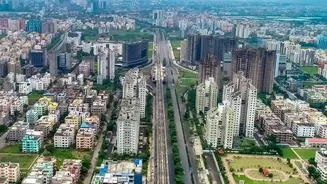
For decades, the value of an Indian home was measured in square feet. But a quiet revolution is reshaping the market. Buyers are now asking what a home adds to their life, not just how big it is. This marks a major shift in real estate priorities.
The New Homebuying Checklist
The
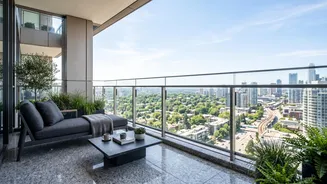
conversation is no longer just about carpet area. Today’s buyers are armed with a new checklist that prioritizes quality of life. This shift, accelerated by the post-pandemic world, has moved amenities from the 'good-to-have' to the 'must-have' column. According to a Knight Frank India report, a significant percentage of homebuyers now prioritize projects with comprehensive lifestyle features. These include not just a basic gym or pool, but well-designed wellness zones, community gardens, sports facilities, and walking tracks that encourage a healthier, more balanced lifestyle. The focus is on creating a holistic environment that supports mental and physical well-being, reflecting a broader societal trend towards the pursuit of balance in a fast-paced world.
Location, Connectivity, and Community
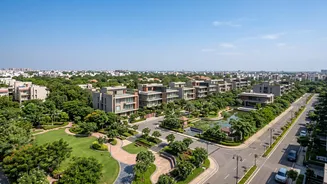
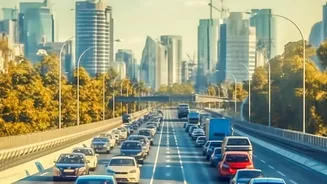
While location has always been key, its definition is expanding. It's not just about a prime pin code anymore. Proximity to office hubs, schools, and healthcare remains crucial, but the quality of connectivity is now a make-or-break factor. Easy access to a metro station or a major arterial road can save hours in commute time, which buyers now see as time that can be better spent with family or on health. Beyond connectivity, a sense of community is becoming a powerful draw. Gated communities and integrated townships are gaining popularity because they offer a safer, more connected living experience. These developments foster social interaction through shared spaces and events, rebuilding the close-knit neighbourhood feel that has been lost in conventional urban apartments. Surveys show a majority of buyers now prioritise community features and security.
The Work-From-Home Influence
The rise of hybrid and remote work has fundamentally altered how Indians perceive their living spaces. A home is no longer just a place to rest; it’s an office, a school, and a recreation zone. This has made flexible layouts and dedicated workspaces non-negotiable for many. Buyers who might have settled for a 2BHK pre-pandemic are now actively seeking 3BHKs or larger configurations to accommodate a home office that isn't a temporary corner in a bedroom. This need for functional, well-planned space has also shifted demand towards the suburbs and peripheral corridors of major cities. Many are willing to trade a slightly longer, but less frequent, commute for a larger home with better amenities and a more peaceful environment.
Sustainability as a Standard
The modern homebuyer is also an increasingly conscious one. Environmental, Social, and Governance (ESG) principles are moving from corporate boardrooms into home purchase decisions. Features like rainwater harvesting, solar panels, energy-efficient design, and effective waste management are no longer niche demands but are becoming standard expectations. Green certifications from bodies like the Indian Green Building Council (IGBC) or LEED are now seen as indicators of quality and longterm value. These features not only contribute to a healthier planet but also offer tangible benefits to the homeowner through lower utility bills and reduced maintenance costs over time.
How Developers Are Responding
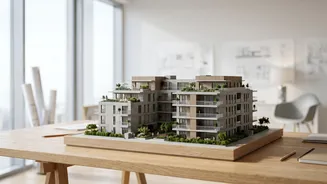
The real estate industry is taking note of this evolution. Developers are shifting their focus from simply building transactional units to creating vibrant, purposebuilt communities. New projects are increasingly designed around shared experiences and lifestyle integration. The marketing language itself has changed, with an emphasis on 'quality of life', 'wellness ecosystems', and 'community living'. Properties within wellplanned, amenityrich communities are also demonstrating stronger longterm value, commanding higher prices and showing better resale potential. This alignment between buyer demand and developer strategy indicates that the trend is not a fleeting one, but a structural shift in the Indian housing market.