


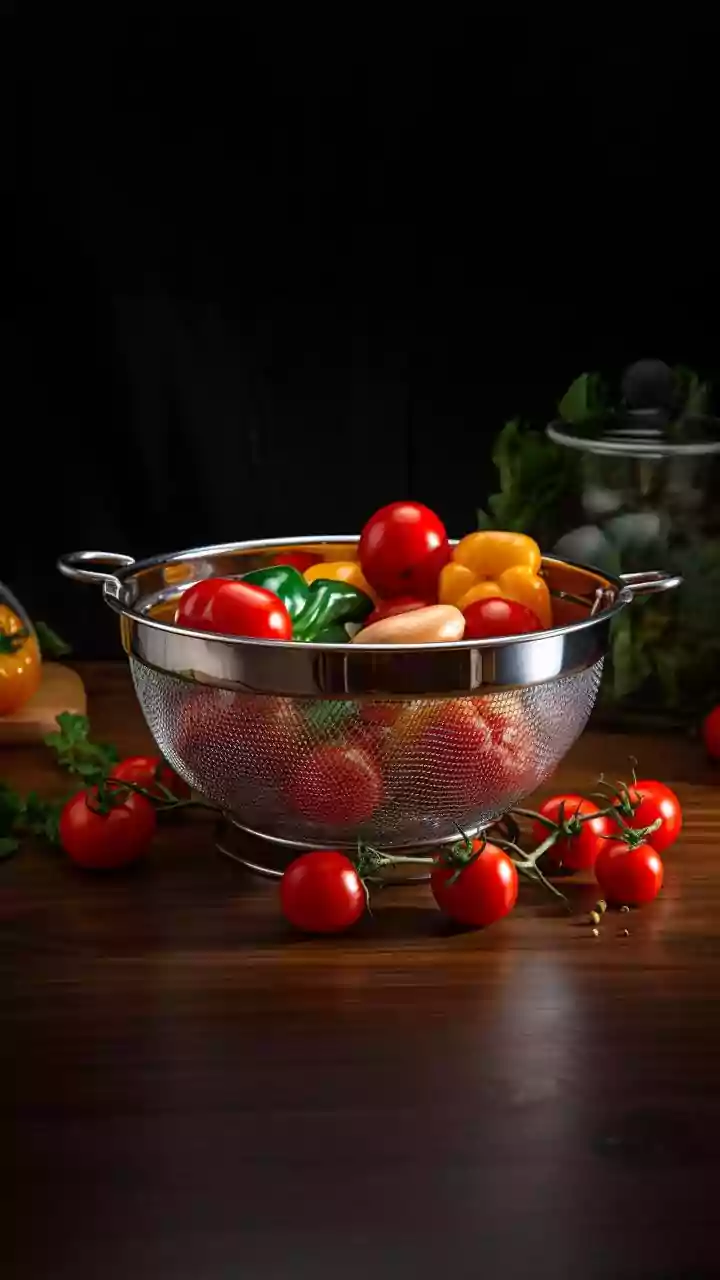





Tomatoes: Keep the Flavour, Lose the Chill
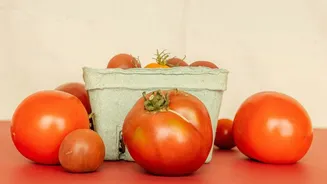
A sun-ripened tomato has a complex, sweet, and tangy flavour that is one of summer's greatest gifts. Storing it in the refrigerator is the fastest way to destroy that experience. Cold temperatures halt the natural ripening process and, more importantly,
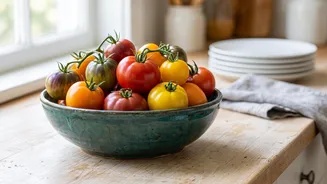
damage the delicate membranes within the tomato's cell walls. This causes the fruit to lose the volatile compounds that create its signature aroma and taste. The result is a bland, mealy, and watery tomato that might look fresh but tastes of disappointment. Even a few days in the cold can cause this irreversible damage.Instead of the fridge, store whole tomatoes on your countertop at room temperature, ideally out of direct sunlight. If they are on a vine, keep them attached. For loose tomatoes, arranging them stem-side down can help prevent moisture loss. This method allows them to continue developing their flavour profile, ensuring they taste exactly as they should.
Potatoes: A Cool, Dark Place (Not a Cold One)
While some modern advice has shifted, the long-standing wisdom to keep raw potatoes out of the refrigerator holds strong for crucial reasons. Cold temperatures below about 10°C cause a potato's starch to convert into sugar, a process known as 'cold-induced sweetening'. This gives potatoes an unpleasantly sweet taste and can cause them to darken unevenly when cooked. More significantly, these excess sugars can form higher levels of a chemical called acrylamide when the potatoes are fried, roasted, or baked at high temperatures.The ideal storage spot for potatoes is a cool, dark, and well-ventilated place like a pantry or a paper bag in a cabinet. Avoid plastic bags, which trap moisture and lead to rot, and never store them next to onions. Onions release gases that accelerate sprouting in potatoes, and vice-versa, causing both to spoil faster.
Bread: The Enemy of Freshness is Cold, Not Time
It seems logical that refrigerating bread would keep it fresh longer, but the opposite is true. The cold, dry environment of a fridge actually accelerates the staling process. Staling isn't just about drying out; it's a chemical process where the starch molecules in the bread recrystallize, causing the loaf to become hard and crumbly. This process happens much faster at cool refrigerator temperatures than it does at room temperature.For a loaf you plan to eat within a few days, the best place for it is on the counter, either in its original packaging, a paper bag, or a bread box. A bread box is designed to maintain a perfect balance of humidity, keeping the crust crisp and the interior soft. If you have a large, crusty loaf, you can even store it cut-side down directly on a clean cutting board. For long-term storage, your freezer is the best option. Freezing halts the staling process almost completely.
Bonus: Onions and Garlic
Like their frequent culinary partner the potato, onions and garlic thrive in a cool, dark, and dry environment with good air circulation. The humidity of a refrigerator can cause them to become soft, mouldy, and start sprouting prematurely. Their potent aromas can also transfer to other foods in the fridge. Store them in a mesh bag or a basket in your pantry. While they share similar storage needs, remember to keep onions and potatoes separate to prevent them from spoiling each other. However, storing onions and garlic together is perfectly fine as they belong to the same Allium family and won't cause each other to degrade.
Bonus: Honey
Honey is one of nature's most resilient foods and absolutely does not need to be refrigerated. In fact, putting it in the fridge does more harm than good. The cool temperature causes honey to crystallize and solidify rapidly, turning it into a thick, grainy mass that's difficult to use. Crystallization is a natural process and doesn't mean the honey has gone bad, but refrigeration speeds it up unnecessarily. Thanks to its low water content and natural acidity, honey is naturally antimicrobial and can last indefinitely when stored properly. Simply keep it in a sealed, airtight container at room temperature in your pantry or a kitchen cabinet.