
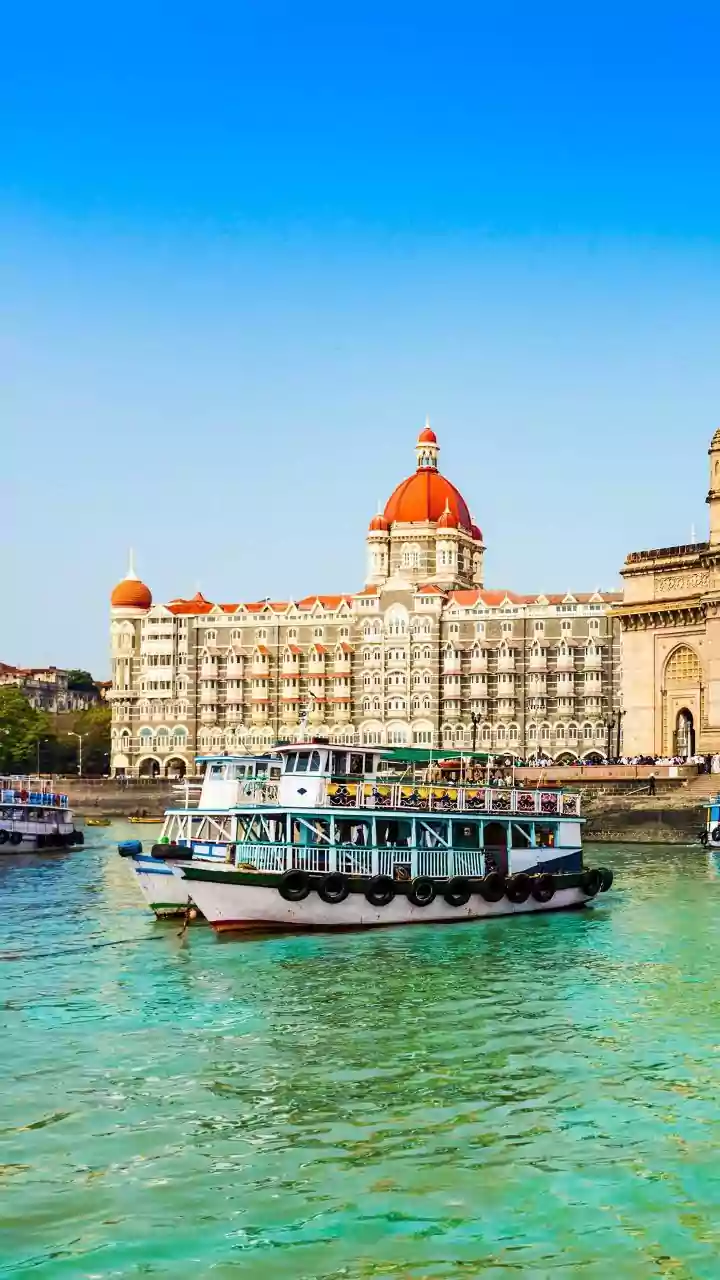

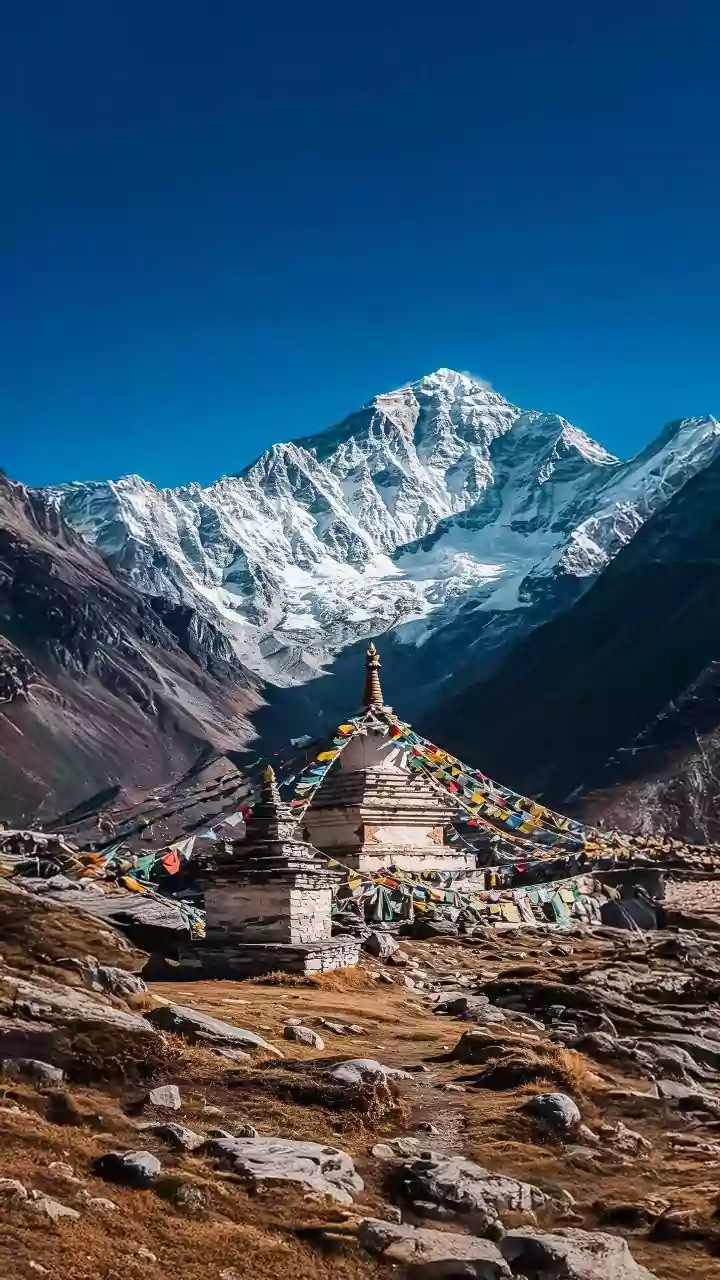



Many of us dream of swapping crowded tourist spots for hidden gems. A new report from Agoda confirms this, finding that 55% of Indian travellers intend to go off the beaten path in 2027. But how many of us actually book that unique adventure?
India's Growing Appetite for Adventure
Digital travel
platform Agoda recently released its '2027 Asia Travel Pulse' report, and the findings for India are striking. The survey, conducted across 11 Asian markets, revealed that Indian travellers are the most adventurous in the region. A remarkable 55% of Indian respondents said they are likely to choose a lesser-known or offbeat destination for their travels next year. This figure is significantly higher than the Asian average of just 36%, indicating a strong desire to move beyond the usual hotspots like Goa or Manali. The report highlights that this trend is driven by a quest for unique experiences, with 42% citing outdoor adventure as a key travel motivation and 14% pointing to spiritual journeys—a rate three and a half times the Asian average. Search data supports this, showing a massive spike in interest for destinations like Pushkar, Dharamshala, and Leh.
The Great Divide: Why We Dream But Don't Do
While the intention to explore is clearly there, the headline points to a classic challenge in the travel world: the intention-action gap. This is the difference between what travellers say they want to do and where they actually spend their money. The 'dreaming' phase of travel is filled with scrolling through stunning images of remote landscapes and unique cultural sites. However, when it comes time to book, a different set of priorities often takes over. The comfort of familiarity, the ease of logistics, and the perceived safety of popular destinations tend to win out. Booking a trip to a well-known city like Bangkok or Dubai involves fewer unknowns. The transport is mapped out, reviews are plentiful, and the itinerary is easy to build. In contrast, planning a trip to a remote village in the Northeast or a trek in the less-travelled parts of the Himalayas requires more effort, research, and a bigger leap of faith.
The Practical Hurdles of Offbeat Travel
Several real-world barriers contribute to this gap. First is the cost—or at least the perceived cost. While offbeat destinations can be cheaper on the ground, getting there might be more expensive or complicated. According to Agoda's report, lower travel costs would be the biggest motivator for travellers to choose a hidden gem. Second, there's the issue of safety and security. Concerns about personal safety, health facilities, and political stability can deter even adventurous souls from booking. Third is the sheer effort of planning. Researching a less-documented location is time-consuming, and many travellers, already facing decision fatigue in their daily lives, opt for the path of least resistance. For many, a vacation is meant to be restorative, and the stress of navigating unfamiliar logistics can feel counterintuitive to the goal of relaxation. The comfort of knowing what to expect—from the food to the accommodation—is a powerful psychological pull that keeps people returning to familiar places.
How to Bridge the Gap and Book Your Adventure
For the 55% of travellers who truly want to explore somewhere new,
bridging the gap between intention and booking is possible.
The key is to start small.
Instead of a twonday expedition... [Note content preserved exactly as provided]