




The Shoulder Season Is Your Secret Weapon
Before we dive into specific locations, let's talk timing. Australia's 'shoulder seasons'—March to May (autumn) and September to November (spring)—are a traveller's best friend. These periods sit just outside the main summer rush (December-February),
which is often crowded due to school holidays and intense heat. By travelling in the shoulder season, you’ll find a sweet spot of pleasant weather, fewer tourists, and often lower prices for flights and accommodation. You'll get to enjoy iconic trails, beaches, and cities with more space to breathe, allowing for a more authentic and relaxed experience. It’s the version of Australia that many visitors miss.
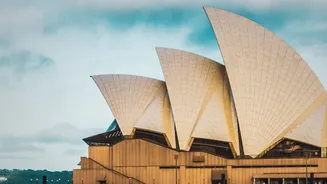
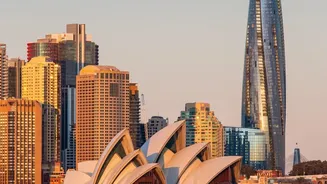
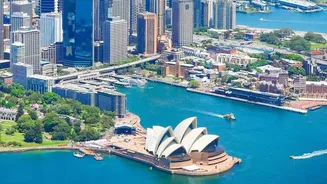
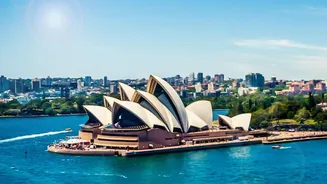
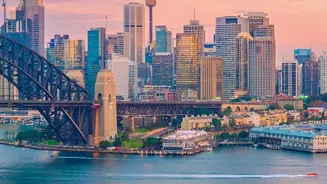
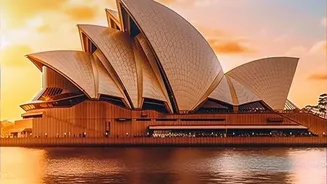
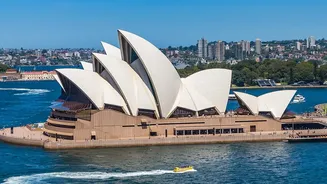
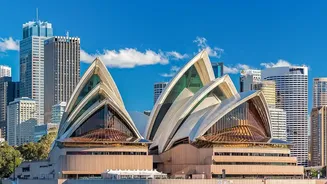
Sydney Harbour: Dodge the Midday Mayhem
The Sydney Opera House and Harbour Bridge are breathtaking, but at midday they are swarmed. To truly appreciate them, change your schedule. The best times to visit for smaller crowds are generally weekdays and early mornings. Consider booking a backstage tour, which often happens as early as 7 a.m., giving you access before the general public descends. Alternatively, watch the sunrise from Mrs Macquarie's Chair for a stunning photo of both landmarks. For a different perspective without the crowds, take a ferry from Circular Quay to Manly or Watsons Bay; you'll get incredible water views of the icons. The shoulder seasons of September-October and March-May are considered ideal, offering mild weather and thinner crowds than the summer peak.
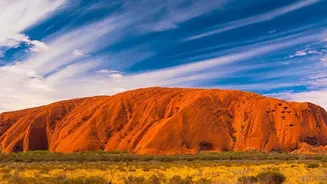
Uluru: Embrace the Desert's Rhythm
The spiritual heart of Australia demands a reverent approach, which is hard to achieve amidst a sea of tour buses. The key to experiencing Uluru is to sync with the desert's clock. The best time to visit is from May to September, when daytime temperatures are comfortable for walking. Summer can be punishingly hot, with track closures common. Sunrise and sunset are the main events, and while the designated viewing areas are popular, they are designed to handle the numbers. The real magic comes from exploring at other times. The full 10km base walk is best started right after sunrise, when the air is cool and most visitors have gone back for breakfast. This gives you hours to experience the rock's textures and art in relative solitude. Booking tours and accommodation well in advance is essential, especially for the peak winter months of June and July.
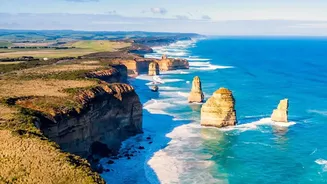
The Great Ocean Road: Go Against the Flow
This world-famous drive is on every visitor's list, leading to significant traffic, especially on day trips from Melbourne. To avoid being stuck in a long convoy, give yourself more than one day for the trip. Staying overnight in a town like Lorne or Apollo Bay allows you to explore the most popular sights, like the 12 Apostles, in the early morning or late afternoon, missing the midday rush of tour buses. An even better strategy is to drive the route in reverse. Start by taking the inland highway to Port Campbell and begin your coastal journey from there, heading back towards Torquay. You'll be travelling against the main flow of traffic for much of the day. Remember to use slow-vehicle turnouts to let local traffic pass and book accommodation far in advance, especially during holidays.
The Great Barrier Reef: Choose Your Operator Wisely
The Great Barrier Reef is vast, and your experience is heavily influenced by the tour you choose. The main tourist hubs of Cairns and the Whitsundays account for the vast majority of visitors. While these are convenient, they can be crowded. For a quieter experience, consider departing from Port Douglas, which offers access to premium outer reef sites with operators that often focus on smaller groups. Another strategy is to look for tour companies that have exclusive permits for less-visited reef systems. Some operators, like those sailing to the Low Isles, offer a more relaxed day with calm waters perfect for snorkelling away from the large pontoons. You can also find unique experiences on islands further south, like Lady Elliot Island, which limits visitor numbers for a more intimate encounter with marine life.