





The New Geography of Coffee
Traditionally a nation of tea lovers, with filter coffee being a beloved exception in the south, India is experiencing a remarkable shift. The epicenter of this change is no longer confined to Tier-1 cities. A wave of café culture is sweeping across Tier-2
and Tier-3 cities like Lucknow, Jaipur, Nagpur, and Patna. Homegrown and international coffee chains are expanding aggressively into these new frontiers. Brands like Barista and Third Wave Coffee are targeting smaller cities for growth, citing rising aspirations and better operating economics. Roastery Coffee House, for instance, has found that its outlets in non-metro locations now outperform their Tier-1 counterparts, pointing to a huge gap between supply and demand. This expansion signifies a major decentralization of coffee culture, moving it from a metro-exclusive luxury to a nationwide lifestyle statement.
Meet the New Coffee Consumer
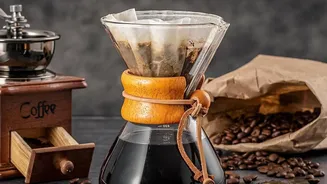
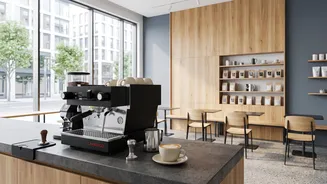
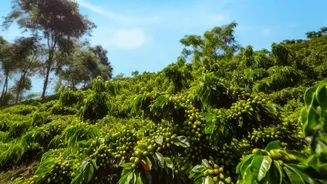
Driving this boom is a new generation: primarily Millennials and Gen Z. This demographic, which makes up a significant portion of specialty coffee consumers, views coffee differently than their parents. It's not just a functional morning beverage; it's a social ritual, a lifestyle accessory, and a key part of their identity. These younger consumers are more curious and discerning, showing interest in everything from single-origin Indian beans from estates in Coorg and Chikmagalur to different brewing methods like pour-overs and cold brews. For this generation, the café is the new default 'third place'—a versatile space for dates, remote work, study sessions, and casual hangouts. Their preferences are also shaping what's on the menu, with a notable surge in the popularity of cold coffee formats, which are now seen as an everyday beverage rather than a seasonal treat.
The Aspiration Economy
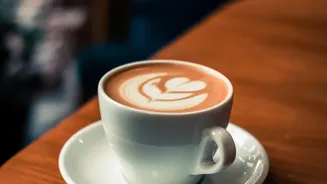
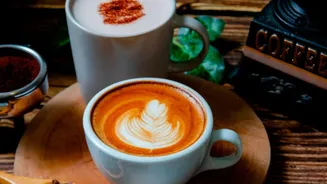
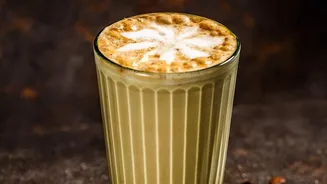
Several economic and social factors are fueling this trend. Rising disposable incomes and greater exposure to global trends through social media and travel are key drivers. Instagram, in particular, has made café aesthetics and latte art an aspirational part of modern life for young Indians everywhere. For many in smaller cities, the local café has become a 'bridge space'—an accessible environment to participate in a cosmopolitan culture without leaving their hometown. This aspirational pull is so strong that consumers in Tier-2 cities are increasingly willing to pay a premium for branded and high-quality coffee experiences. Furthermore, trends like remote work mean that more young professionals are staying in or returning to their hometowns, bringing their metro-acquired tastes and spending power with them.
From Instant Mix to Artisanal Brews
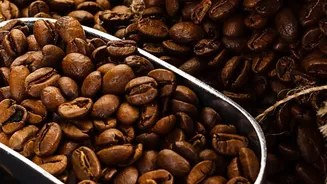
The coffee itself is also undergoing a major upgrade. While instant coffee still holds a significant market share due to its convenience, the real growth story is in specialty and artisanal coffee. The Indian specialty coffee market is projected to grow significantly, reflecting a shift toward quality and unique flavor experiences. Consumers are increasingly experimenting with home brewing, investing in grinders and equipment to recreate the café experience at home. This has been boosted by the efforts of coffee brands to educate customers through workshops and tastings. The demand is shifting from generic blends to single-origin Arabica beans, with consumers showing a growing appreciation for the nuances of Indian coffee. This embrace of high-quality, locally-grown coffee signals a maturing palate and a deeper engagement with the beverage across the country.