





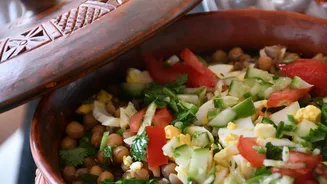
A Hearty Twist on a French Classic
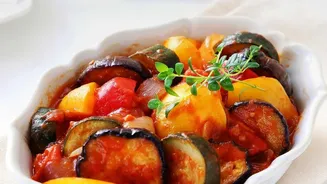
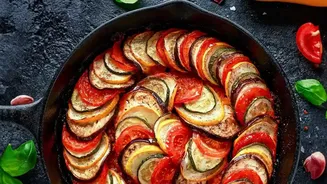
Ratatouille is a classic Provençal stew from France, traditionally made by simmering late-summer vegetables like eggplant, zucchini, bell peppers, and tomatoes in olive oil. While beloved for its celebration of simple, fresh ingredients, the traditional version
can sometimes feel more like a side dish. This modern interpretation changes the game by introducing lentils and simplifying the process into a one-skillet meal. The addition of lentils provides earthy depth, satisfying texture, and a healthy dose of plant-based protein, transforming the dish from a light vegetable stew into a complete and hearty main course. It’s the perfect weeknight solution that feels both rustic and refined, delivering maximum flavour with minimal fuss.
The Stars of the Skillet
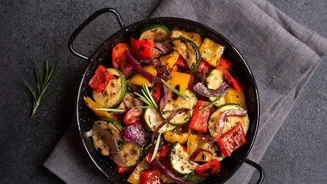
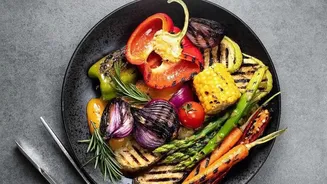
The beauty of this dish lies in its flexibility and reliance on what's fresh and available. The core components are a celebration of the harvest. You’ll want a combination of eggplant, zucchini or yellow squash, and bell peppers. When choosing your produce, look for firm eggplants with glossy skin and vibrant, heavy-for-their-size peppers and squash. The key is to chop the vegetables into uniform, bite-sized pieces. This ensures everything cooks evenly and that you get a perfect mix of flavours in every spoonful. Don't be afraid to add other vegetables you have on hand; carrots or mushrooms can also be wonderful additions.
Let's Talk Lentils
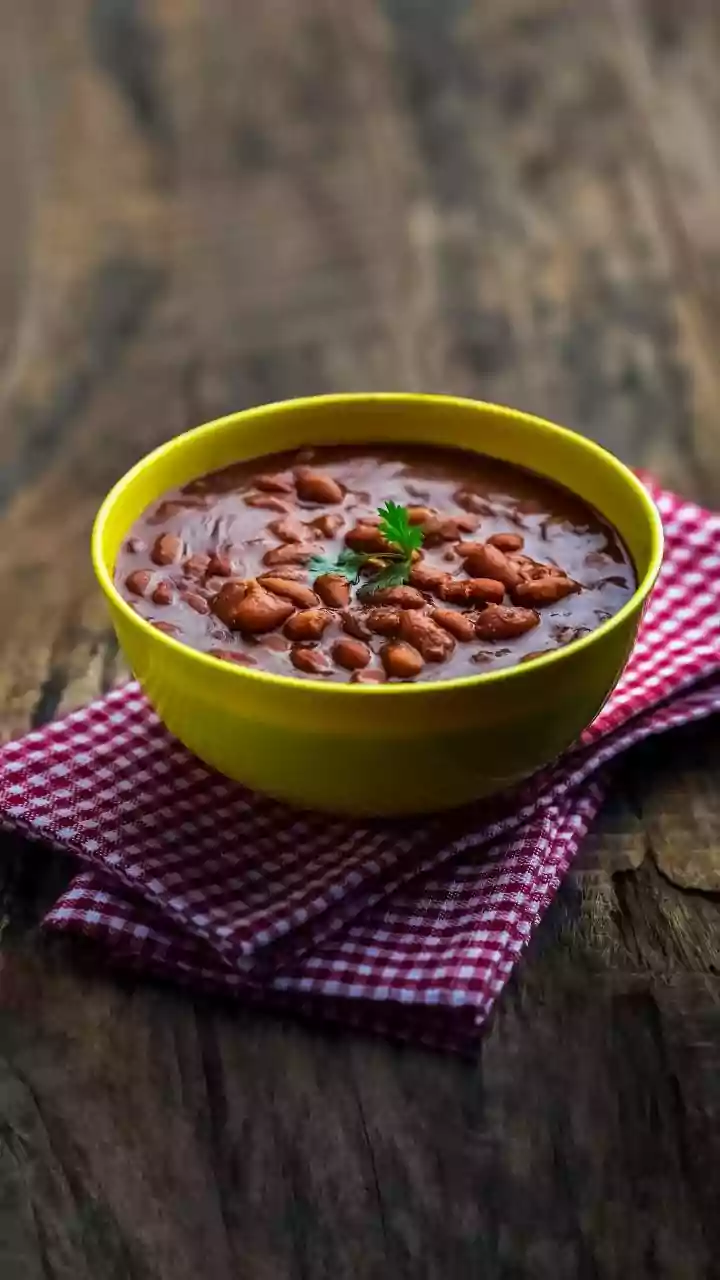
The secret ingredient that gives this ratatouille its satisfying substance is the humble lentil. For a stew-like dish where you want the ingredients to maintain their integrity, brown or green lentils are your best bet. They hold their shape well during cooking, providing a pleasant, slightly firm bite that contrasts beautifully with the soft, stewed vegetables. French green lentils (Puy lentils) are another excellent choice for the same reason. Red or yellow lentils, on the other hand, tend to break down and become mushy, so it's best to save those for soups or purées where a thicker consistency is desired. Using canned or pre-cooked lentils can make the process even quicker.
Building Layers of Flavour
The best ratatouille develops its flavour in stages. Start by heating a generous amount of olive oil in a large, heavy-bottomed skillet or Dutch oven. Some methods suggest cooking the vegetables separately to allow each to brown and maintain its character before combining them. Begin by sautéing the eggplant until golden, then set it aside. Next, cook your aromatics—diced onion and minced garlic—until they become soft and fragrant. Then, add the peppers and zucchini, cooking until they begin to soften. Stir in canned or fresh chopped tomatoes, along with herbs like thyme and oregano, to create the saucy base. Finally, return the eggplant to the pan, stir in the lentils and a splash of water or vegetable broth, and let everything simmer together for 20-30 minutes until the vegetables are tender and the flavours have melded into a rich, harmonious stew.
Finishing Touches and Serving
Just before serving, a few final additions can elevate the dish even further. A splash of balsamic vinegar can brighten up all the flavours, adding a touch of acidity to cut through the richness. Stirring in a handful of fresh basil leaves at the end provides a burst of fresh, aromatic perfume. This tomato-lentil ratatouille is incredibly versatile. Serve it on its own in a bowl for a hearty vegan meal, perhaps with a side of crusty bread to soak up the delicious sauce. It's also fantastic spooned over rice, quinoa, or pasta. For a richer meal, you can top it with a poached egg or crumbled feta cheese. The leftovers are often even better the next day, as the flavours continue to deepen.