


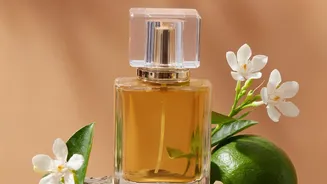

What Exactly Is Neroli Oil?
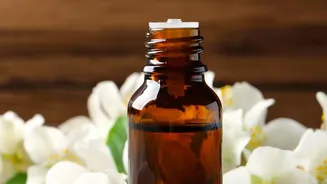
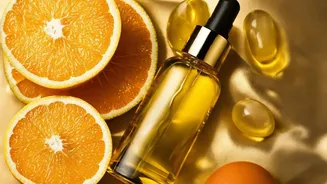
Neroli oil is a precious essential oil extracted from the delicate white blossoms of the bitter orange tree, known botanically as 'Citrus aurantium amara'. It's named after a 17th-century Italian princess of Nerola who famously used it to perfume her
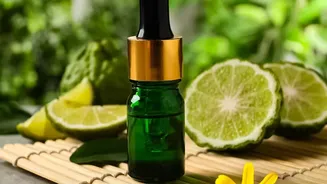
gloves and bathwater. The oil is renowned for its complex aroma, which is a sophisticated blend of sweet, floral notes with a hint of citrus and honey. What makes the bitter orange tree unique is that it produces three distinct essential oils: bitter orange oil from the fruit peel, petitgrain from the leaves and twigs, and neroli from its flowers. This makes the blossoms a particularly valued part of the plant.
The African Connection
While the bitter orange tree is native to Southeast Asia, it now thrives in warm climates globally, including the Mediterranean and North Africa. Countries like Morocco, Tunisia, and Egypt are major producers of high-quality neroli oil. The production process is labour-intensive and requires great care. The flowers must be hand-picked, often in the early morning, to preserve their maximum oil content and delicate fragrance. It takes roughly 1,000 pounds of these handpicked blossoms to produce a single pound of neroli oil, which explains why it is one of the more expensive essential oils on the market. The oil is extracted through steam distillation, a traditional method where steam is passed through the blossoms to release their aromatic compounds.
The Science-Backed Skin Benefits
Neroli oil's appeal goes far beyond its beautiful scent. Studies have shown that it possesses antimicrobial, antifungal, and antioxidant properties. This makes it a powerful ingredient for tackling several skin concerns. Its antibacterial qualities can help reduce acne breakouts and manage blemishes. As a potent antioxidant, it helps protect the skin from damage caused by environmental stressors and free radicals, which can lead to premature aging. Furthermore, neroli oil has anti-inflammatory properties that can soothe irritation and reduce redness, making it suitable even for sensitive or reactive skin. It is also celebrated for its ability to support skin cell regeneration, which can help improve the appearance of scars, stretch marks, and fine lines over time.
Finding Neroli in Your Skincare
Given its versatile benefits, neroli oil is a popular ingredient in a wide range of skincare products. You can find it in facial oils, serums, mists, cleansers, and moisturisers. In these formulas, it serves multiple functions. As a natural astringent, it can help tighten pores and balance sebum production, making it ideal for oily and combination skin types without causing dryness. It also acts as a humectant, helping the skin attract and retain moisture for a soft and hydrated feel. When used in a facial mist, it can refresh the skin, set makeup, and provide a moment of aromatic calm throughout the day. Its inclusion often elevates a product from a simple cosmetic to a more ritualistic, sensory experience.
How to Incorporate It at Home
You don't need to buy a whole new line of products to experience the benefits of neroli. If you purchase pure neroli essential oil, it's crucial to dilute it properly before applying it to the skin, as it is highly potent. A simple way to add it to your routine is by mixing one or two drops into a carrier oil like jojoba or marula oil for a nourishing facial massage. You can also add a single drop to your favourite unscented cleanser or moisturiser to boost its soothing and hydrating properties. For a targeted treatment, a diluted drop can be applied to a blemish to help calm redness. As with any new ingredient, it is always wise to perform a patch test on a small area of skin first to check for sensitivity.