







What Exactly Are 'Engine Vibes'?
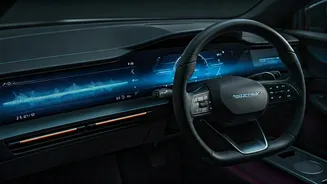
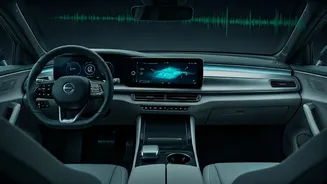
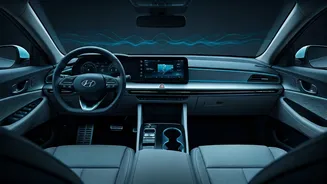
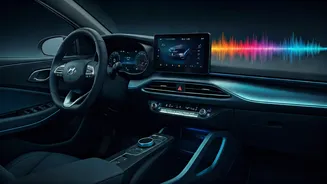
The concept of adding engine sensations to a silent electric vehicle might sound counterintuitive, but it's the central idea behind features in Hyundai’s high-performance Ioniq 5 N. The system is a combination of two key technologies: N e-Shift and N Active
Sound+. N e-Shift is a sophisticated software that simulates an eight-speed dual-clutch transmission (DCT). It works by momentarily interrupting the motor's torque to create the physical jolt you'd feel during a gear change in a performance car. Paired with paddle shifters, drivers can 'upshift' and 'downshift', and the car will even mimic hitting a rev limiter if you don't 'shift' in time. N Active Sound+ is the audio component, piping engineered sounds through 10 speakers (eight inside, two outside) to match the virtual gear shifts and throttle input. Drivers can choose from several sound profiles, including one inspired by a 2.0-litre turbo engine and another that sounds more like a fighter jet.
Why Add Old Sensations to New Tech?
The primary goal isn't to trick drivers into thinking they're in a petrol car, but to enhance driver engagement. For decades, the sounds, vibrations, and rhythms of an internal combustion engine (ICE) have provided crucial feedback. The roar of an engine tells you how hard it's working, and the feeling of a gear change connects you physically to the act of acceleration. Many driving enthusiasts miss this sensory experience in the silent, linear-power world of EVs. By simulating these cues, Hyundai aims to restore a layer of interaction and fun that some feel is missing. Manfred Harrer, head of Hyundai's R&D division, has emphasized that the focus is on driver enjoyment over outright speed, stating, "We are not the serious Porsche guys. We are fun to drive." Testing shows that using the N e-Shift mode is actually slightly slower than letting the EV deliver its power directly, confirming the feature is about the feeling, not the lap time.
Coming to a Standard Ioniq 5?
The headline's question is the most pertinent one for potential buyers. Currently, these features are exclusive to the high-performance 'N' models like the Ioniq 5 N and Ioniq 6 N. However, Hyundai executives have confirmed they plan to bring this technology to more mainstream EVs. In April 2026, Hyundai's European Vice President of Product, Raf van Nuffel, stated that the technology won't be limited to N models but will require a "minimum level of power" to provide an authentic feeling. This means you likely won't see it on base models, but mid- and high-tier trims of future Hyundai EVs, including a potential next-generation Ioniq 5, are strong candidates. The overwhelmingly positive reaction to the Ioniq 5 N's features has encouraged the company to democratize the experience.
An Evolving and Divisive Trend
Not everyone is sold on the idea. For some EV purists, the silent, smooth ride is a major advantage, and adding fake noise and jolts feels like a step backward. However, the features have won over many skeptical journalists and enthusiasts who find them surprisingly convincing and fun. Hyundai is already planning the next evolution of this technology for its upcoming 'IMA' vehicle platform, which could replace the current E-GMP architecture around 2028. Future versions may include more realistic elements like simulated idling vibrations and exhaust backfire sounds to make the experience even more immersive. This commitment suggests Hyundai sees a real market for drivers who want the benefits of electric power without giving up the visceral thrills of a combustion engine. This trend isn't unique to Hyundai; brands like Porsche, Honda, and BMW are also developing similar systems, signaling a broader industry shift toward adding optional, artificial character to EVs.