




The Rush to Slow Down
The concept of 'slow travel' is simple: choose depth over distance. Instead of racing through five cities in ten days, it’s about spending more time in one place, immersing yourself in the local rhythm and culture. For years, many holidays were defined
by tight schedules and checklists, leaving travellers returning home more exhausted than when they left. Slow travel pushes back against this, encouraging a more mindful pace that allows for spontaneous discoveries and genuine connection. It’s about savouring the experience rather than just documenting it, creating memories that resonate long after the trip is over. This shift in mindset is gaining traction across India, as people seek more meaningful and sustainable ways to explore.
The Two-Wheeled Advantage
Enter the motorcycle. More than just a mode of transport, a motorbike is a tool for immersion. Unlike travelling in a car or a tour bus, riding a motorcycle exposes you to the elements and the environment in a direct, unfiltered way. You feel the change in temperature as you climb a mountain pass, smell the spices from a roadside market, and hear the sounds of the forest unfiltered by glass and steel. This sensory engagement is the essence of slow travel. A motorbike offers unparalleled freedom and flexibility, allowing you to venture off the beaten path, explore narrow village lanes, and stop whenever a view demands your attention. It transforms the journey itself into the destination.
Connecting with the Wild
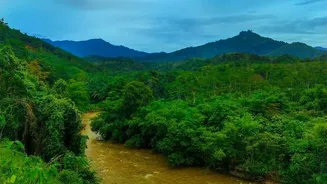
This slower, more immersive approach is perfectly suited for wildlife tourism. A successful safari is an exercise in patience; you can't rush a tiger sighting or schedule an elephant crossing. On a motorbike, you become a quieter, less intrusive presence. The open design allows for a wider field of vision and the ability to stop instantly and silently when you spot movement in the trees. Riding through the buffer zones of national parks and wildlife sanctuaries in regions like the Western Ghats or Central India offers a unique rolling safari. You might encounter peacocks strolling across the road in Chinnar Wildlife Sanctuary or hear the call of a langur in the forests of the Himalayas, experiences often missed from inside a faster vehicle.
India's Slow Safari Trails
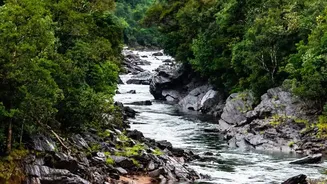
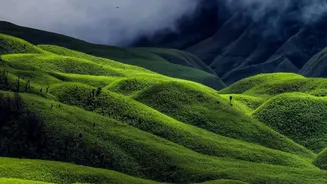
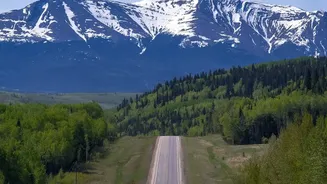
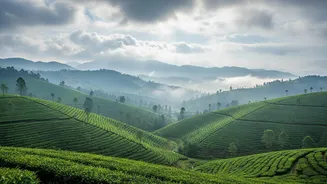
India offers a vast playground for the motorbike-riding wildlife enthusiast. While famous parks are a major draw, the real magic often lies on the roads connecting them. The Western Ghats, a UNESCO World Heritage site, is a biodiversity hotspot with winding roads that cut through tea plantations and dense forests in states like Kerala and Karnataka. Further north, the Himalayan foothills in Uttarakhand and Himachal Pradesh offer breathtaking vistas and the chance to spot mountain fauna. Even regions like Central India, known for its tiger reserves, boast incredible riding routes through deciduous forests and remote villages, offering a glimpse of a wilder, less-travelled India.
Planning Your Own Slow Ride
Embarking on a journey like this requires some planning. Choosing the right motorcycle is key; bikes like the Royal Enfield Himalayan are built for these kinds of mixed-terrain adventures. Safety is paramount: always wear appropriate gear and be aware that wildlife, from monkeys to elephants, can be unpredictable on the road. It’s crucial to respect the environment and local communities, adhering to the principles of responsible ecotourism. Many guided tour companies now offer curated motorcycle trips that focus on wildlife and slow travel, handling the logistics so you can focus on the ride. These tours often provide a blend of adventure and cultural immersion, ensuring a well-rounded and safe experience.