



The State of the Prancing Horse
To understand where Ferrari is going, you have to look at where it is right now. The Maranello-based automaker is in a period of unprecedented transition, balancing its legacy of screaming internal combustion engines (ICE) with a strategic pivot to hybrid
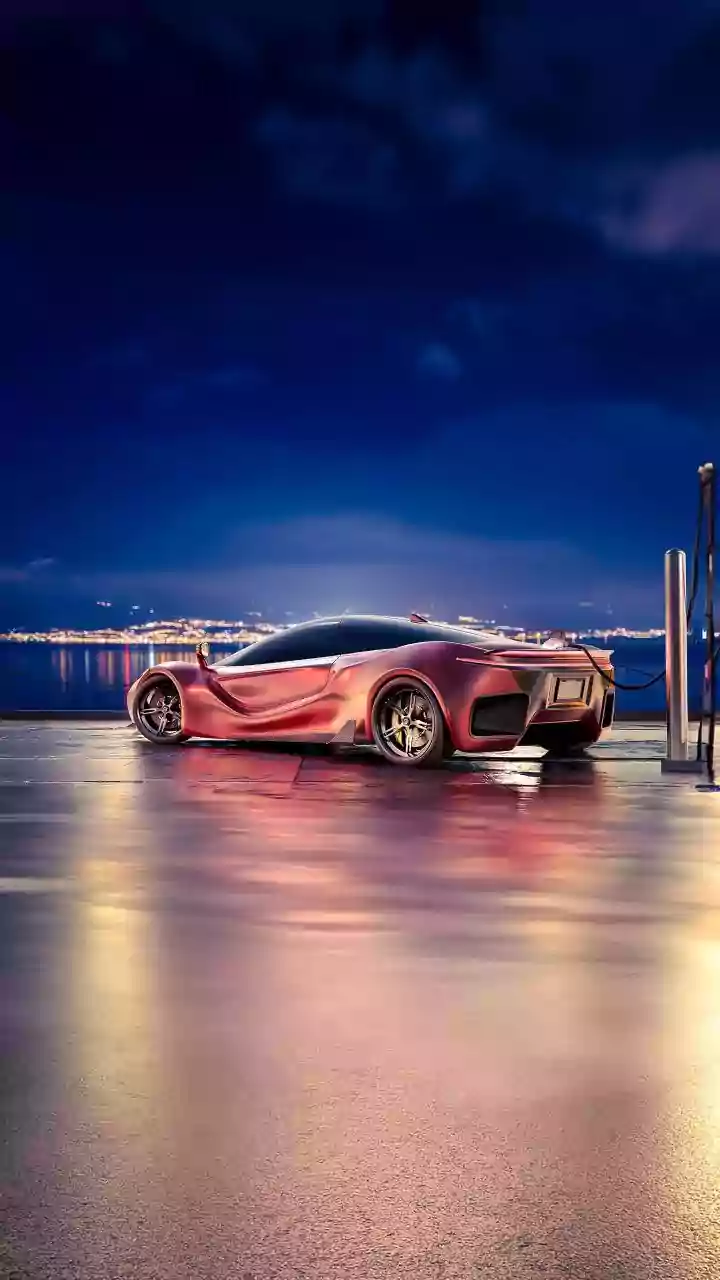
and fully electric power. CEO Benedetto Vigna has laid out a clear path: by 2030, the company's lineup is expected to be a mix of 40% hybrid, 40% ICE, and 20% electric vehicles. This strategy of diversification allows Ferrari to cater to its entire fanbase, from traditionalists who crave the sound of a naturally aspirated V12 to a new generation of buyers embracing electrification. The brand's order books are full through 2027, and even its first-ever EV, the 'Luce', sold out its 2026 allocation shortly after its recent launch, proving the brand's power extends beyond petrol.
Possibility One: A New Hybrid Hypercar
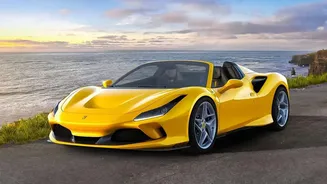
The most likely candidate for one of the two secret cars is an open-top version of its new F80 hypercar. Following the success of plug-in hybrids like the SF90 Stradale and the V6-powered 296 GTB, Ferrari has demonstrated its ability to use electric motors to enhance performance, not just efficiency. The F80 coupe is already entering production, and an 'Aperta' (open-top) version is a logical and historically consistent next step for a flagship model. This would feature the F80's monstrous V6 hybrid powertrain, which combines a twin-turbo engine with three electric motors for well over 1,000 horsepower. It represents the cutting edge of Ferrari's performance-oriented hybrid technology, drawing lessons directly from its Formula 1 and Le Mans-winning endurance racing programs.
Possibility Two: More V12 Glory
While hybrids and EVs represent the future, Ferrari is famously protective of its soul: the V12 engine. The recently launched 12Cilindri, a grand tourer with an 819-horsepower naturally aspirated V12, has already completely sold out, including a limited manual-transmission variant. This overwhelming demand for its purest engines provides a strong incentive for Ferrari to keep the V12 alive for as long as possible. One of the new models could be a more extreme, track-focused version of the 12Cilindri, perhaps with even more power and aggressive aerodynamics. Further fueling this speculation, CEO Benedetto Vigna recently made a pointed case for the viability of biofuels, a technology that could provide a carbon-neutral path for internal combustion engines to survive long-term, preserving the iconic Ferrari sound and feel.
The Strategy Behind the Secrecy
Announcing new models without details is a classic Ferrari move. It's a marketing masterstroke that generates immense speculation and discussion among fans, media, and potential buyers, effectively creating hype without spending a rupee. This strategy is part of a broader philosophy at Ferrari: increase the number of models available, but strictly limit the production volume of each one. This approach, which includes everything from core models to limited 'Icona' series cars and one-off special projects, ensures that exclusivity remains the brand's cornerstone. By managing scarcity, Ferrari protects the long-term value of its cars, turning customers into collectors and reinforcing its position not just as a car company, but as a manufacturer of luxury assets.