


The Call of the Caucasus
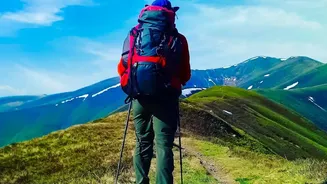
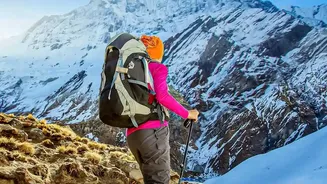
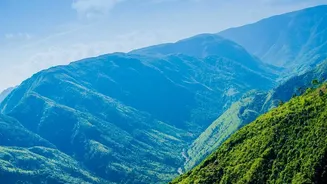
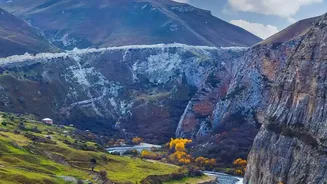
Forget crowded trails and familiar views. Azerbaijan offers a different kind of mountain adventure, one that remains largely undiscovered. The Greater and Lesser Caucasus ranges form the country's rugged backbone, presenting a paradise for hikers. Within
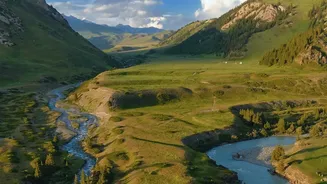
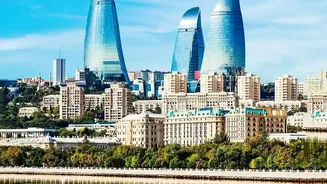
a few hours of the vibrant capital, Baku, the terrain transforms into alpine meadows, deep canyons, and glacial lakes. The country's diverse landscapes range from the high peaks of the north, ideal for serious trekking, to the humid, ancient forests of the Talysh Mountains in the south. This variety means that whether you are a seasoned trekker or a casual walker, there is a trail waiting for you. Initiatives to develop sustainable tourism have led to the marking of new routes, making these wild spaces more accessible while preserving their natural beauty.
Hiking Through History
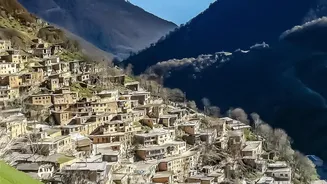
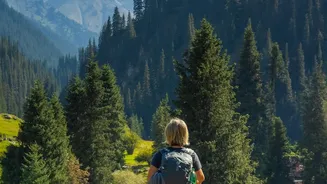
Many of Azerbaijan's trails are more than just paths; they are historic arteries that have connected communities for centuries. A prime example is the developing Transcaucasian Trail (TCT), an ambitious project to create a long-distance route through Georgia, Armenia, and Azerbaijan. The Azerbaijani sections connect some of the most remote and culturally rich villages, such as Khinalig, Griz, and Laza. Khinalig, one of the oldest continuously inhabited places in the world, serves as a gateway to stunning high-altitude hikes. A popular route for beginners is the marked trail from Khinalig to the village of Galakhudat, offering incredible views and a taste of village culture. For more experienced hikers, multi-day treks link a series of ancient settlements, following old caravan routes past fortresses and watchtowers.
More Than a Walk: Cultural Immersion
What truly sets a trek in Azerbaijan apart is the deep connection to local heritage. This is not a journey where culture is observed from a distance; it is an experience to be lived. The village-to-village hiking model is built around homestays, where local families welcome travellers into their homes. This offers an authentic glimpse into the daily lives, traditions, and unique languages of mountain communities, some of which are spoken nowhere else on earth. Sharing a meal of locally sourced food, sipping traditional tea, and perhaps even learning a few words in a dialect spoken for thousands of years turns a physical journey into a profound cultural exchange. Villages like Lahij, famous for its coppersmiths, and Sheki, a historic city on the Silk Road, provide further opportunities to connect with the nation's artistic soul.
Planning Your Azerbaijani Adventure
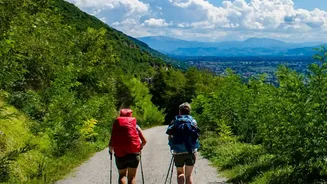
The best time for hiking in the Caucasus is generally during the summer months when the high-altitude passes are clear of snow and the meadows are lush and green. However, the weather in the mountains can be unpredictable, so it is crucial to be prepared with layered clothing. While some trails like Khinalig-Galakhudat are well-marked and suitable for independent hikers, many of the more remote routes benefit from the expertise of a local guide. Guides not only ensure safety but also enrich the experience with their knowledge of the region's history and culture. Several local and international organisations are working to promote sustainable ecotourism, offering guided tours that support local communities directly. These efforts ensure that tourism helps preserve the unique cultural and natural heritage that makes Azerbaijan's backcountry so special.