



An Ambitious Aviation Overhaul
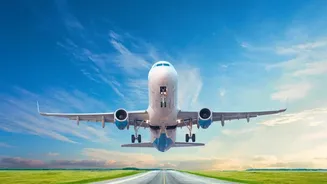
Madhya Pradesh is aggressively expanding its aviation footprint. The state government is fast-tracking the development of new airports and upgrading existing airstrips to boost regional connectivity. In recent months, four new flight routes were launched
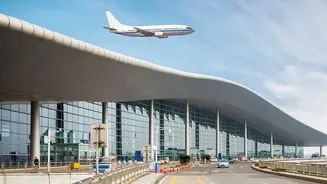
from Bhopal, connecting the capital to Rewa and Patna, while also linking Rewa and Jabalpur directly with Kolkata. This is part of a broader strategy under the national UDAN scheme to make air travel more accessible in tier-two and tier-three cities. Furthermore, the Centre has approved a plan to convert ten existing airstrips into full-fledged airports, with work beginning immediately at five sites, including Singrauli, Sagar, and Chhindwara. Major airports like Gwalior and Jabalpur have also seen significant upgrades, with new terminal buildings inaugurated to handle a massive increase in passenger traffic. With new airports also planned for Ujjain and Shivpuri, the state is poised to have ten operational airports soon, reshaping travel patterns for residents, tourists, and businesses.
The Total Journey Time Calculation
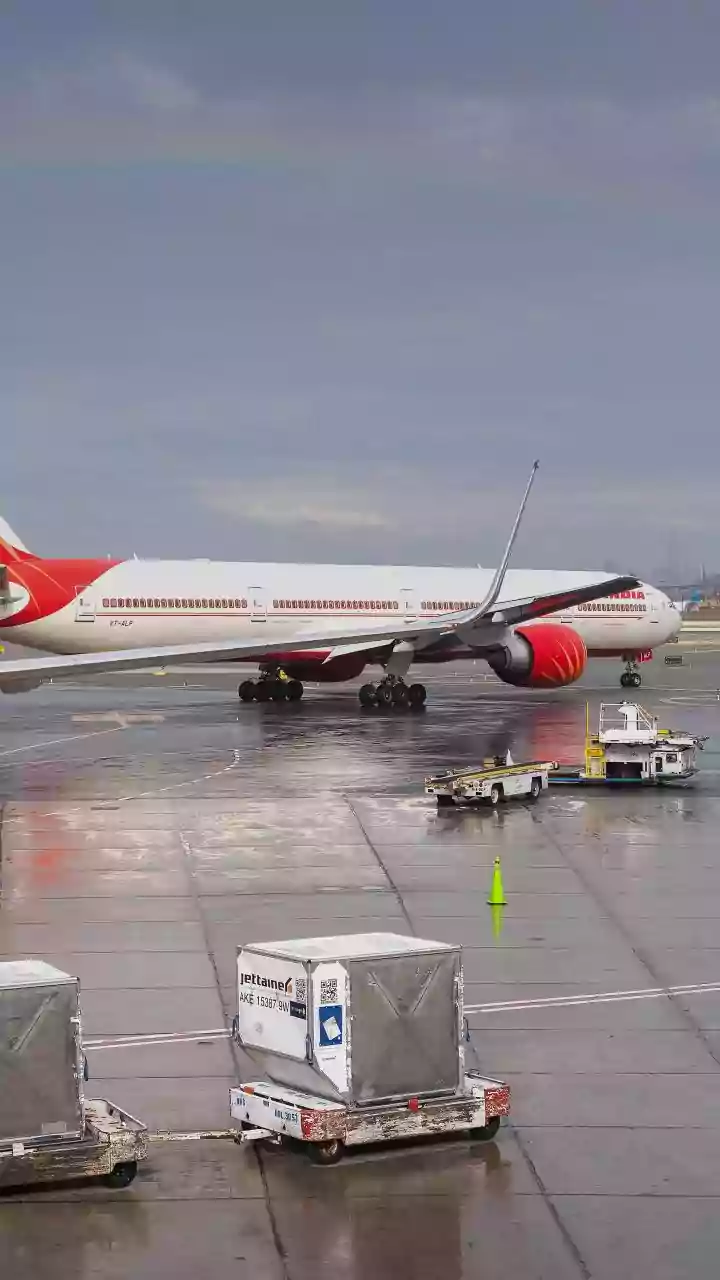
A one-hour flight rarely takes just one hour. The true measure of travel time is the total duration from your starting point to your final destination. This includes the time it takes to travel to the airport, the recommended two-hour buffer for check-in and security, the flight itself, and the time spent deplaning, collecting baggage, and traveling from the destination airport into the city. A flight from Bhopal to Indore, for instance, might only be in the air for under an hour, but the entire process can easily stretch to four or even five hours. This is where traditional modes of transport, like trains and cars, remain highly competitive. They offer city-centre to city-centre convenience that airports, often located on the outskirts, cannot match.
Case Study: Bhopal to Indore
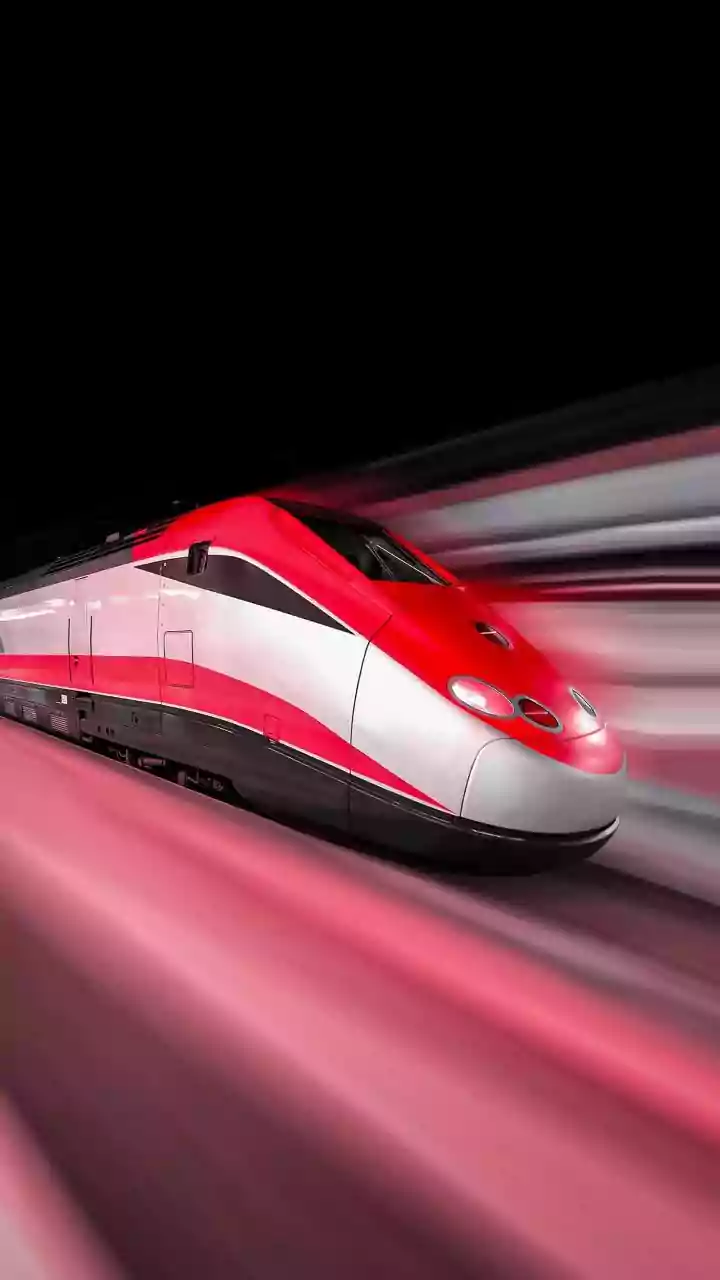
The 190-kilometre journey between Madhya Pradesh's administrative capital, Bhopal, and its commercial hub, Indore, is a classic travel dilemma. By road, the trip typically takes around four hours. The Vande Bharat Express train service covers the distance in just over three hours, offering a comfortable and direct alternative. While there are currently no direct flights, even a connecting flight would take a minimum of five hours, not including ground travel to and from the airports. In this scenario, both the Vande Bharat train and road travel are significantly faster and more efficient than flying. The state's plan for a new six-lane greenfield expressway aims to reduce road travel time to just two hours, further cementing its advantage over air travel for this specific route.
When Flying Makes Perfect Sense
Where the new aviation plan truly shines is in connecting previously underserved or distant parts of the state. The operationalisation of Rewa Airport is a prime example. Before direct flights, a journey from Bhopal to Rewa in the Vindhya region could take over ten hours by road or rail. Now, a direct flight connects the two cities in a fraction of that time, making it a game-changer for business travellers and those visiting family. Similarly, new routes connecting Jabalpur and Rewa to Kolkata create a vital link to eastern India that was previously time-consuming and cumbersome. For these longer, inter-state journeys or routes connecting remote regions, the time saved by flying easily outweighs the overheads of airport transit, making it the undisputed best option.
Beyond Time: Cost and Convenience
The decision to fly, drive, or take the train isn't just about time. Cost remains a major factor. While the UDAN scheme aims to make flights more affordable, last-minute air tickets are almost always more expensive than train fares or the cost of fuel for a car journey. Baggage limitations on flights can also add to the expense, whereas train and car travel offer far more flexibility. Convenience is another crucial element. Train journeys can be productive, allowing you to work or relax, while driving offers the ultimate freedom to set your own schedule and make stops along the way. The comfort of a personal vehicle or the spaciousness of a train compartment can often be more appealing than the cramped quarters of a budget airline.