


The Nutritional Case for Keeping the Skin
It’s a common kitchen practice to peel root vegetables before cooking, but in doing so, you might be throwing away a significant source of nutrients. The skin of many vegetables, and the layer of flesh just beneath it, is often a powerhouse of dietary
fibre, vitamins, and antioxidants. For instance, a considerable portion of a vegetable's total fibre can be found in its skin. Potato skins are rich in potassium, iron, and fibre. Similarly, the skin of a carrot contains a high concentration of its antioxidants and phytonutrients. By choosing to leave the skin on, you’re not just making your prep work faster; you’re also making your meals more nourishing and reducing food waste in your kitchen.
The Roots You Can Stop Peeling
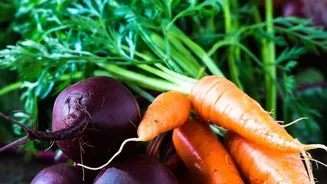
Many of the most common staples in an Indian kitchen can be cooked with their skins on, provided they are young, fresh, and tender. Potatoes: The skin on a potato contains plenty of fibre and vitamins. Just scrub them well and remove any green spots or sprouts before cooking. Carrots: Young, fresh carrots don't need peeling. Their thin skins are full of nutrients. A good scrub with a brush is usually enough to clean them. Sweet Potatoes (Shakarkandi): The skin is entirely edible and packed with fibre, vitamin C, and antioxidants like beta-carotene. When cooked, the skin becomes tender and adds a pleasant texture. Beets (Chukandar): Young beets have a thin, tender skin that can be eaten. Leaving the skin on during roasting or boiling also helps the beet retain its nutrients and colour. Turnips (Shalgam): If you find young turnips, their skins are tender enough to eat. Just give them a thorough wash. Older, larger turnips may have tougher, waxier skins that are better off peeled. Radishes (Mooli): Radishes almost never require peeling. Simply wash them, trim the ends, and they are ready to be used raw in salads or cooked in various dishes.
How to Properly Clean Unpeeled Vegetables
If you’re skipping the peel, a thorough cleaning is essential. Start by rinsing the vegetables under running water to remove loose dirt. Then, use a stiff vegetable brush to scrub the entire surface. This will dislodge any stubborn soil and reduce surface bacteria. Pay extra attention to any crevices or cracks where dirt might be hiding. For produce with a waxy coating, or if you're concerned about pesticide residues on conventionally grown vegetables, scrubbing is particularly important. Opting for organic produce can reduce your exposure to synthetic pesticide residues, though it's important to remember that organic farms may still use natural pesticides. Regardless of whether they are organic or conventional, all vegetables should be washed well before eating.
When You Should Still Reach for the Peeler
While leaving the skin on is often beneficial, there are times when peeling is the better option. If a root vegetable is old, has a thick, tough, or wrinkled skin, it’s best to peel it for a better texture and taste. Any vegetables with blemishes, deep cracks, or mouldy spots should have those parts cut away or be peeled entirely. Certain recipes, like creamy mashed potatoes or a silky smooth soup, demand a peeled vegetable to achieve the desired consistency. Personal preference also plays a role; some people simply do not enjoy the taste or texture of certain vegetable skins, like those on carrots, which can sometimes be slightly bitter. Finally, some roots, such as ginger, celery root, and cassava, have tough or fibrous skins that are generally unpalatable and should always be peeled before use.