

The Foundation: A Perfectly Soft Idli
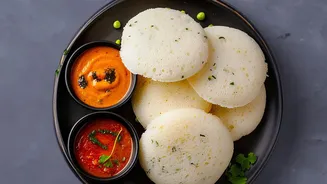
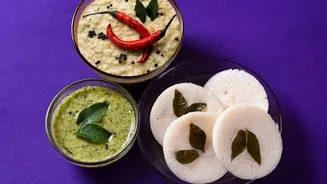
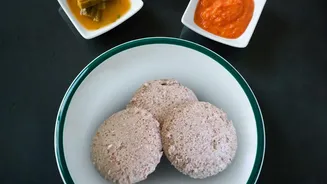
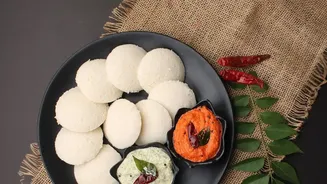
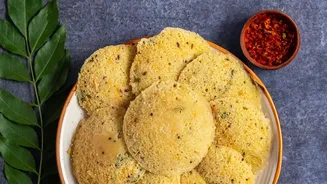
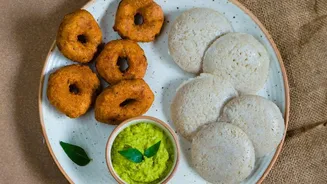
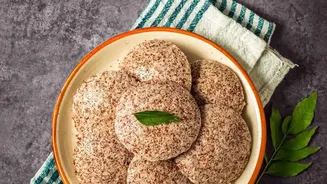
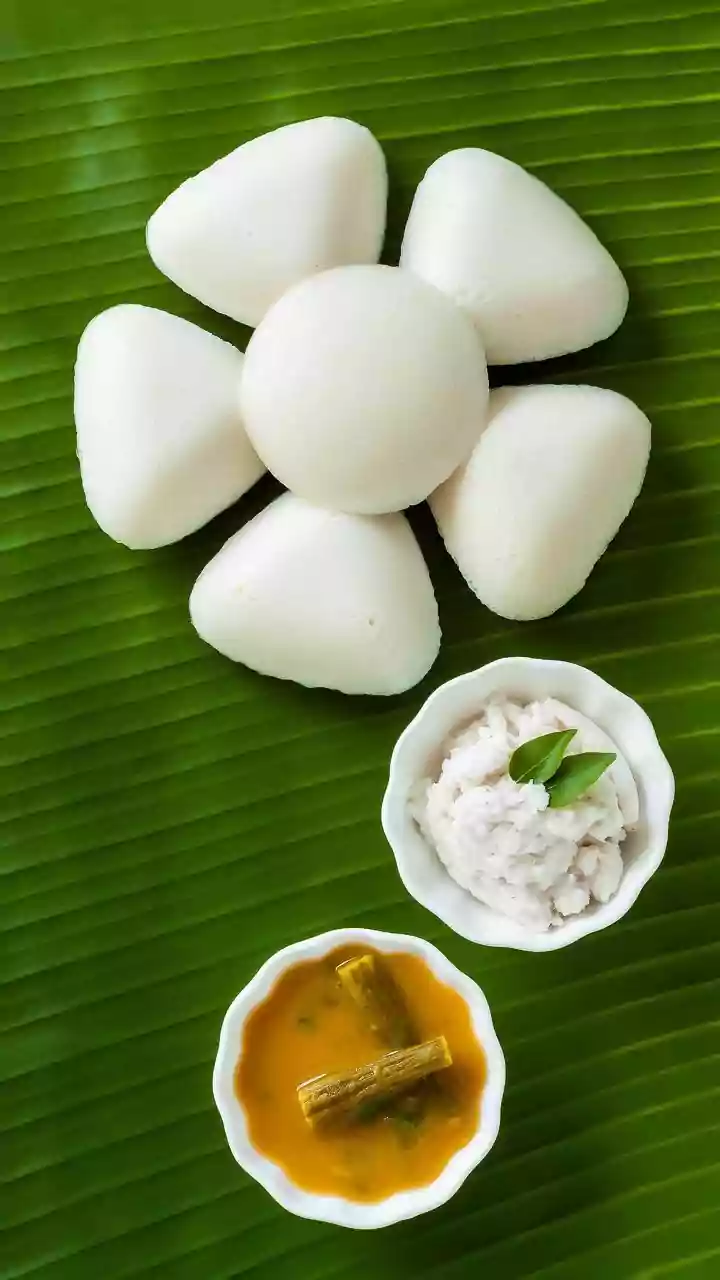
Before any spice or ghee comes into play, the idli itself must be flawless. A great podi idli is impossible without a great idli. The secret to that coveted softness lies in the batter and the steaming process. A well-proportioned mix of rice and urad
dal, soaked and ground correctly, creates the base. Fermentation is crucial; the batter must be allowed to rise for 8-12 hours in a warm place until it's airy and full of bubbles. This fermentation process not only makes the idlis fluffy and easily digestible but also gives them their characteristic subtle tang. When steaming, precision is key. Overcooking is the enemy of a soft idli, turning it hard and dry. Steaming for just 6-7 minutes is often enough to cook them through while preserving their delicate, moist texture. For the best podi idli experience, it's recommended to use freshly steamed idlis, as they absorb the ghee and podi most effectively. If using leftover idlis, a quick re-steam for a few minutes will bring them back to life.
The Fiery Heartbeat: Understanding 'Podi'
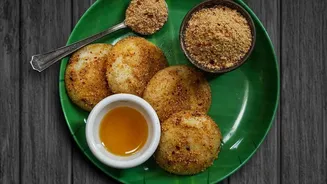
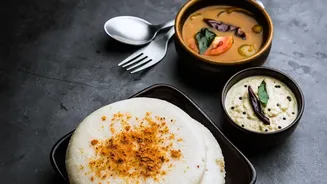
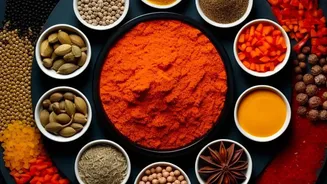
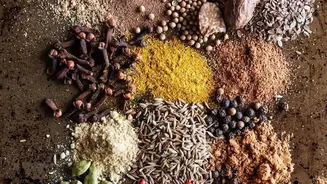
‘Podi’ is the soul of the dish, providing its signature flavour and name. Also known as ‘milagai podi’ (milagai means chilli, podi means powder) or simply ‘gunpowder,’ this dry condiment is a staple in South Indian homes. It's a coarse powder made from a blend of roasted lentils like urad dal and chana dal, dried red chillies, and other aromatic ingredients. Common additions include sesame seeds for nuttiness, a pinch of asafoetida for pungency, and sometimes curry leaves. Each family and region has its own unique recipe. The ingredients are dry-roasted separately to bring out their deep, earthy flavours before being ground. This roasting process is vital; unevenly roasted lentils can lead to a bitter taste. The resulting powder is a masterful blend of spicy, nutty, and savoury notes, designed to transform a simple steamed cake into a full-flavoured meal.
Liquid Gold: The Indispensable Role of Ghee
Ghee is not just a cooking medium here; it is the bridge that connects the idli and the podi. Podi on its own is dry, and without a fat, it struggles to adhere to the smooth surface of the idli. Ghee, or clarified butter, solves this problem beautifully. When drizzled warm over the idlis, it helps the spice powder cling evenly to every curve. More importantly, it transforms the flavour profile. The richness of the ghee mellows the sharp heat of the chillies in the podi, creating a more balanced and rounded taste. It also adds its own distinct nutty aroma and flavour, which oil alone cannot replicate. Using a generous amount of warm ghee is crucial for ensuring the podi is distributed well and releases its full fragrance. While some recipes suggest sesame oil as a traditional alternative, ghee is celebrated for the signature richness it brings to the dish.
The Art of Assembly: Putting It All Together
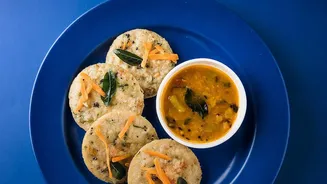
Achieving the perfect balance of a soft centre and spiced exterior comes down to technique. There are a few schools of thought. One popular method involves gently tossing warm idlis (often mini idlis for a better coating ratio) in a pan with melted ghee. Once the idlis are glistening, the stove is turned off, and the podi is sprinkled over, tossing gently to coat. This prevents the idlis from breaking and ensures the podi doesn't burn, which would make it bitter. Another approach involves tempering mustard seeds and curry leaves in hot ghee, pouring this aromatic mixture over the idlis, and then sprinkling the podi on top. For an extra crispy exterior, some prefer to lightly pan-fry the idli pieces in ghee until the edges turn golden before tossing them with the podi. Regardless of the method, the goal is to get a generous, even coating on the outside while the inside remains untouched and steamy-soft, ready to offer a delightful contrast with every bite.