

Understanding the Iconic Trio
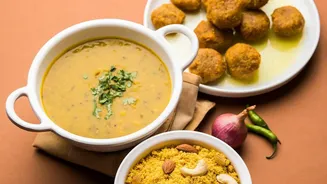
Dal Bati Churma is more than just a dish; it's a culinary experience from the heart of Rajasthan. This legendary meal features three distinct components that create a symphony of flavour and texture. First is the 'dal', a spicy and aromatic curry typically
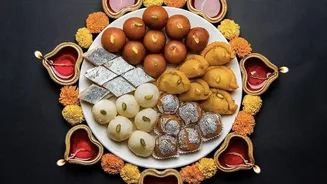
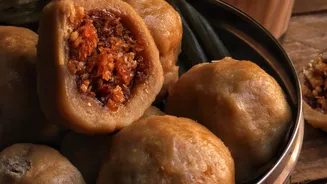
made from a mix of lentils like toor, chana, and moong dal. Next is the 'bati', a hard, unleavened bread ball made from wheat flour. These are traditionally baked in clay ovens or over open flames until they have a crunchy crust and a soft interior. Finally, 'churma' provides the sweet counterpoint. It's a dessert made by crushing the baked bati and mixing it with generous amounts of ghee and sugar or jaggery, often garnished with nuts. Together, they form a complete, hearty meal that has been a cultural staple for centuries.
A Dish Forged in History
The origins of Dal Bati Churma are rooted in the practical needs of Rajasthan's warrior past. The bati was an ideal meal for soldiers; the hard dough balls could be baked under the desert sun, buried in hot sand, and would last for a long time. Upon returning from battle, soldiers would find the perfectly baked rounds, which they would then dunk in ghee and eat with curd. The addition of dal came later, possibly influenced by traders or culinary practices from other regions. Churma is said to have been a happy accident, when sugarcane juice was accidentally poured over bati, creating a sweet and delightful variation. This history speaks to the dish's resilience and its status as a celebratory meal served at weddings, festivals, and family gatherings.
Why Pulao is a Perfect Partner
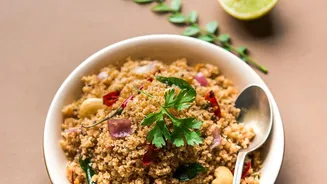
While Dal Bati Churma is a self-contained platter, introducing a simple pulao can elevate the experience. The traditional meal is rich and dense, with the hearty dal soaking into the firm bati. A light, aromatic vegetable pulao adds a new textural dimension. Its fluffy grains provide a wonderful contrast to the dense bati and thick dal, making the overall meal feel less heavy. The subtle fragrance of whole spices like cumin, cardamom, and bay leaf in a pulao complements the robust spices of the dal without overpowering it. Think of the pulao as a gentle, absorbent canvas that balances the richness of the ghee-laden bati and the spiciness of the dal, making each bite a more complex and rounded experience.
The Role of Fresh Rotis
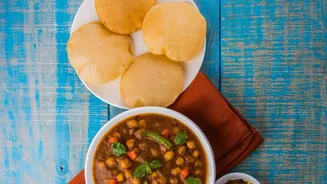
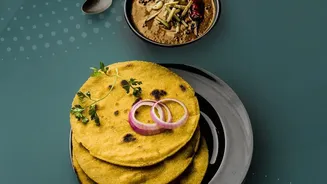
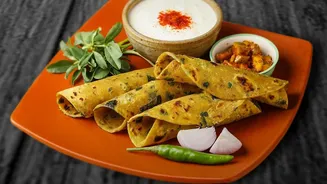
Adding fresh rotis to a Dal Bati Churma platter might seem redundant, but it serves a brilliant purpose. Batis are wonderfully rustic and dense, designed to be broken apart and soaked in dal. However, their hardness can be an acquired taste for some. A soft, freshly made phulka or chapati offers a lighter, more pliable alternative for scooping up the delicious dal. It allows diners to enjoy the flavours of the dal in a different way, providing a textural break from the crumbly bati. It also makes the meal more accessible and offers variety, turning the platter into a more elaborate and shareable feast that caters to different preferences.
Crafting the Ultimate Platter
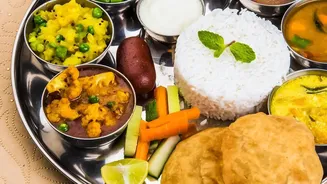
To assemble this grander version of the Rajasthani classic, think in terms of balance. Serve the dal in a generous bowl, ready to be poured over crumbled bati. Arrange the warm batis alongside, perhaps with a small bowl of extra ghee for those who desire ultimate richness. Place the sweet churma in its own little mound, to be eaten between savory bites or mixed in, as tradition dictates. Then, add a serving of fragrant, non-sticky vegetable pulao and a stack of soft, hot rotis. To complete this feast, include traditional accompaniments that cut through the richness, such as a fiery garlic chutney, crisp onion salad, and a cooling curd or raita. This transforms the meal from a simple trio into a magnificent thali that celebrates the best of Rajasthani hospitality.