





What is the New Policy?
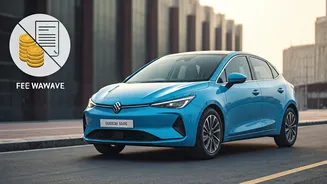
The Delhi government has approved its new Electric Vehicle Policy, which comes into effect on July 1, 2026, and will run until March 31, 2030. The headline announcement for prospective buyers is a 100% waiver on road tax and registration fees for newly
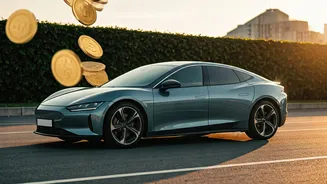
purchased battery electric vehicles (BEVs). This move is the cornerstone of an ambitious plan, backed by a ₹15,000-crore budget, to accelerate EV adoption and combat the city's severe air pollution. For cars, this full exemption applies to models with an ex-showroom price of up to ₹30 lakh. EVs priced above this limit will not be eligible for these specific tax benefits. Hybrid vehicles are also not included in this waiver program.
Crunching the Numbers: Your Potential Savings
The waiver on road tax and registration fees translates into substantial upfront savings. In Delhi, road tax on a new petrol or diesel car can range from 4% to over 12.5% of the vehicle's ex-showroom price, depending on its cost and fuel type. For example, on a petrol car priced at ₹15 lakh, the road tax could be well over ₹1 lakh. The registration fee, while smaller, adds to the initial burden. By eliminating these two costs entirely for eligible EVs, the policy makes the on-road price much closer to the ex-showroom price. This significantly lowers the entry barrier for consumers considering the switch from internal combustion engine (ICE) vehicles to electric, making the total cost of ownership more attractive from day one.
More Than Just Tax Breaks: Other Incentives
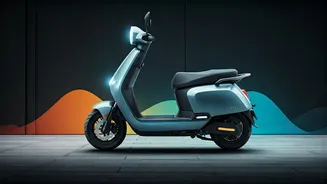
The policy includes a suite of additional financial benefits to sweeten the deal. Direct purchase subsidies will be available and transferred directly to the buyer's bank account. In the first year of the policy, buyers of new electric two-wheelers can receive an incentive of up to ₹30,000, while e-three-wheeler buyers can get up to ₹50,000. For N1-category electric goods carriers, the subsidy can be as high as ₹1 lakh. Furthermore, a scrappage incentive program has been introduced. Owners who scrap their old BS-IV or older vehicles and purchase a new EV can receive a bonus ranging from ₹5,000 to ₹1 lakh, depending on the vehicle type.
The 'Why' Behind the Waiver
This aggressive push towards electrification is a direct response to Delhi's critical air pollution crisis. Vehicular emissions are a primary contributor to the city's toxic air, responsible for a large percentage of particulate pollution. By making EVs financially accessible, the government aims to drastically cut down on tailpipe emissions. The policy sets a clear timeline for phasing out polluting vehicles. From January 1, 2027, only electric three-wheelers (auto-rickshaws) and light commercial trucks (N1 category) will be eligible for new registrations. This will be followed by a halt on new petrol-powered two-wheeler registrations from April 1, 2028. These measures target the vehicle segments that contribute most significantly to daily pollution.
What This Means for Delhi's Future
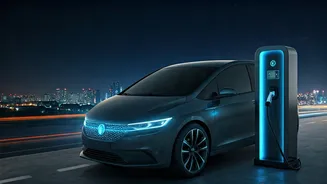
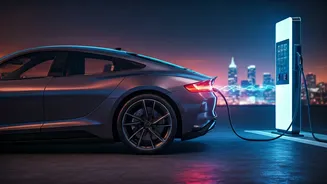
The policy is about more than just individual vehicles; it's a blueprint for a systemic shift in the city's transport ecosystem. To address 'range anxiety,' a common concern for potential EV buyers, the government plans to support the installation of over 30,000 new public charging points. The goal is to create a dense and reliable charging network across the capital. By combining financial incentives, regulatory deadlines for ICE vehicles, and a major investment in infrastructure, the policy aims to make Delhi a leader in electric mobility. The long-term vision is a city with cleaner air, reduced noise pollution, and a more sustainable public and private transport system for its millions of residents.