




What is a Dahi Kebab?
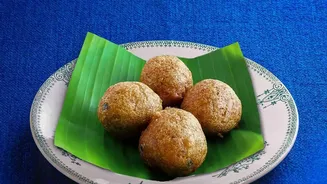
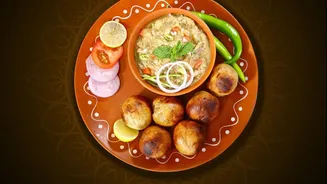
Dahi Kebab, which translates to 'yogurt patty', is a vegetarian snack that defies its simple name. It’s a popular North Indian appetiser known for its incredible texture contrast: a perfectly crisp exterior giving way to a melt-in-your-mouth, creamy centre.
Unlike meat-based kebabs, the star ingredient here is hung curd (dahi), which is drained of all its water to achieve a thick, cheese-like consistency. This thick curd is then mixed with spices, herbs, and a binding agent, shaped into patties, and fried to a golden-brown perfection. It’s a dish that commonly graces restaurant menus and is prepared for special occasions, offering a sophisticated yet comforting experience.
A Bite of Royal History
The origins of this delicate snack are as rich as its flavour, tracing back to the royal kitchens of India. Dahi Kebabs are a celebrated part of Awadhi cuisine, which flourished in Lucknow under the patronage of the Nawabs. This culinary tradition is known for its slow-cooking techniques and complex, aromatic dishes. Some stories suggest that vegetarian kebabs were first created in Emperor Akbar's kitchens at the request of his wife, Jodha Bai, who sought a vegetarian alternative to the court's many meat specialities. The concept of frying spiced, thickened curd patties travelled with the Mughals, evolving into the refined Dahi Kebab we know today.
The Secret is the Hung Curd
The absolute key to a successful Dahi Kebab is the hung curd. You cannot use regular yogurt; it would be too watery and the kebabs would fall apart. To make hung curd, fresh, thick yogurt is placed in a muslin or cheesecloth, which is then tied and hung for several hours, or even overnight in the refrigerator, allowing all the whey to drip out. This process can take anywhere from 4 to 14 hours. The resulting curd should be thick, with a consistency similar to cream cheese. This step is non-negotiable, as it ensures the kebabs can be shaped and will fry up crispy instead of absorbing excess oil. For best results, use fresh curd that isn't too sour.
Building the Perfect Patty
Once you have your hung curd, the rest of the mixture comes together to add flavour, texture, and structure. Common additions include crumbled paneer (Indian cottage cheese) for body, and a binding agent like roasted besan (gram flour) or breadcrumbs to absorb any remaining moisture. Finely chopped onions, ginger, green chillies, and fresh coriander leaves provide a fresh, aromatic kick. Spices such as garam masala, cumin powder, and black pepper are essential for that signature warmth. Some recipes also include finely chopped nuts like cashews to add a delightful crunch to the creamy interior. The mixture should be combined gently and not over-mixed, then shaped into patties.
Tips for Golden Perfection
Frying these delicate patties can be tricky, but a few tips ensure success. First, after shaping the kebabs, it’s highly recommended to refrigerate them for at least 20-30 minutes. This helps them firm up and hold their shape during frying. For a crispier outer layer, the patties are often rolled in breadcrumbs or a light dusting of flour before cooking. When it's time to cook, shallow frying on a medium-high heat is the preferred method. The oil must be hot enough to create a sizzle, but not so hot that it burns the exterior before the inside is warmed through. Fry them in small batches to avoid overcrowding the pan, and flip gently only after one side is a deep golden brown.