

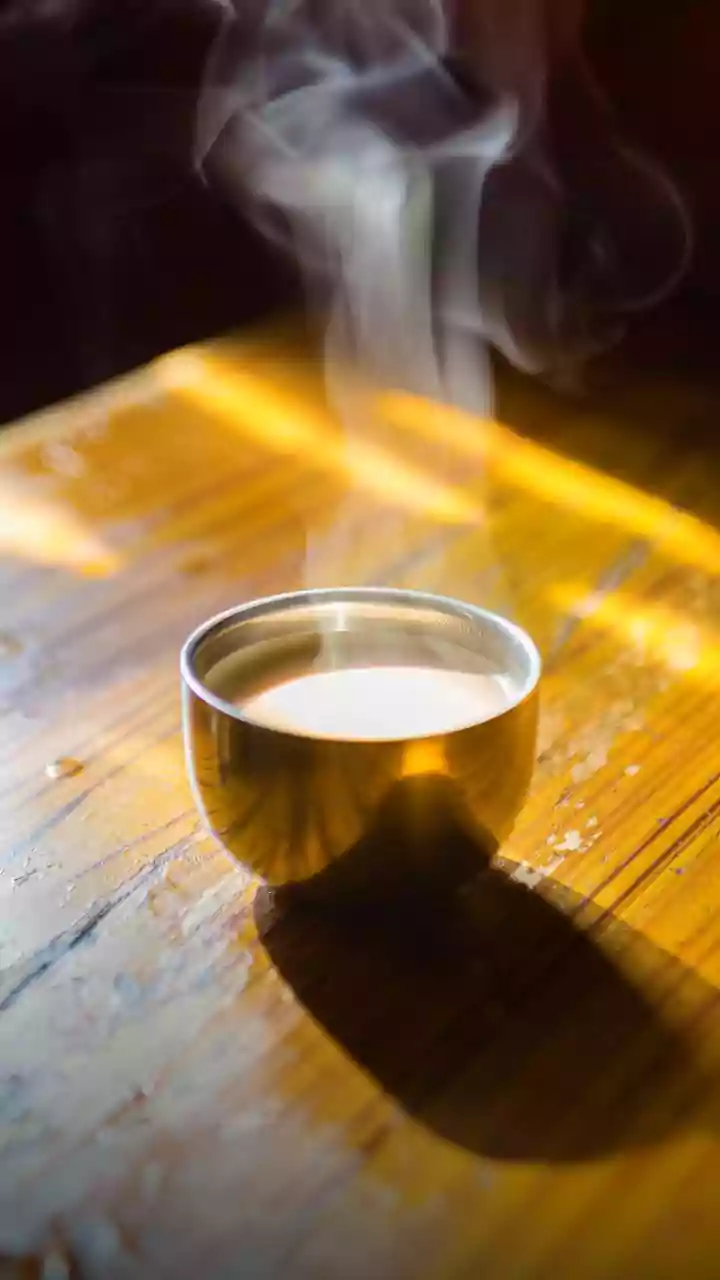





The Real Culprit: Heat, Not Habit
The good news for tea lovers is that the beverage itself is not the problem. In 2016, the International Agency for Research on Cancer (IARC), a part of the World Health Organization, evaluated the cancer risk associated with coffee, tea, and other drinks.
Their findings were reassuring for moderate drinkers, as they found no conclusive evidence that coffee or tea themselves are carcinogenic. Instead, the agency shifted the focus to a different factor: temperature. They classified drinking “very hot” beverages as “probably carcinogenic to humans” (Group 2A). This conclusion was based on studies from regions where it is common to drink tea or maté at extremely high temperatures, which showed a link between the beverage's heat and the risk of oesophageal cancer. The key takeaway is that the risk is not in what you drink, but in how hot you drink it.
How Hot is 'Too Hot'?
The IARC defines “very hot” as any beverage consumed at a temperature above 65° Celsius (149° Fahrenheit). To put that into perspective, water boils at 100°C, and a typical cup of tea is often brewed with water just off the boil (around 90-98°C). While most people let their drink cool, some cultures and individuals prefer their beverages piping hot. Studies in Iran, China, and South America, where tea is often drunk at around 70°C, found that the risk of oesophageal cancer increased with the temperature. One study in Iran noted that individuals who preferred their tea at 70°C or higher had a significantly greater risk compared to those who drank it warm or lukewarm (below 65°C). For most people, a comfortable drinking temperature is below 60°C, which is well under the IARC's threshold for concern.
What Happens Inside Your Oesophagus
When you repeatedly consume scalding liquids, you are subjecting the delicate lining of your oesophagus to a form of thermal injury. This isn't just a fleeting sensation of a burn; it's a recurring physical stressor at a cellular level. Chronic thermal injury can cause a cycle of damage and repair, leading to a state of persistent inflammation. Endoscopic examinations of people who have suffered thermal injury from hot liquids reveal visible damage, such as ulcers, mucosal erythema (redness), and whitish pseudomembranes, sometimes described as a “candy-cane” appearance. This constant state of inflammation and cell turnover is believed to be the primary mechanism of concern. As cells are forced to regenerate more frequently to repair the damage, there is a higher statistical chance for errors to occur in the DNA, which can eventually lead to the formation of cancerous cells.
A Simple Solution for Safer Sipping
The solution to mitigating this risk is refreshingly simple and doesn't require giving up your favourite beverage. The advice from experts is straightforward: let your drink cool down. Waiting just a few minutes can make a significant difference. One study found that people who drank their tea less than two minutes after pouring had a five times higher risk than those who waited for four minutes or longer. A good rule of thumb is to wait until the cup is comfortable to hold and you can sip without scalding your mouth. Adding a splash of cold milk can also quickly lower the temperature to a safer level. The goal is to get the beverage below the 65°C threshold. You don't need a thermometer; just wait until it no longer feels “scalding” and is simply “hot” or “warm”. This small adjustment allows you to continue enjoying the comforting ritual of a daily cup of tea without the associated risk of oesophageal stress.