






Visit the Historic Bonedi Baris
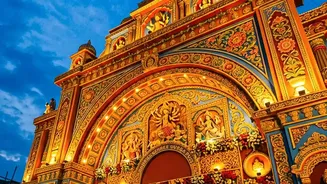
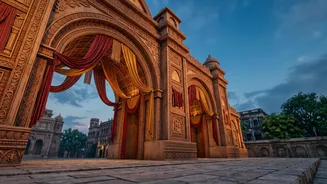
Step back in time by visiting the 'Bonedi Baris' or ancestral homes of Kolkata's old aristocratic families. These centuries-old mansions in North Kolkata host pujas that are steeped in tradition and history, offering a stark contrast to the theme-based
community pandals. Pujas at homes like the Sovabazar Rajbari, which dates back to 1757, provide an intimate glimpse into rituals that have been preserved for generations. You can witness the family's unique customs, admire the traditional 'ek-chala' (single frame) idols, and soak in the heritage architecture of the grand 'thakur dalans' (courtyards for worship). Several tour operators offer guided walks through these historic homes, making it easier to navigate the lanes of North Kolkata and understand the significance of each family's puja.
Embark on a Culinary Marathon
Durga Puja is as much a feast for the stomach as it is for the eyes. The entire city transforms into a massive food festival. While the community 'bhog'—a traditional vegetarian meal served at pandals—is a must-try, the culinary adventure extends far beyond. The streets come alive with vendors selling everything from 'puchkas' and 'kathi rolls' to 'kabiraji' cutlets. Many restaurants and hotels across the city curate special Durga Puja menus, offering lavish Bengali thalis and buffets featuring delicacies like 'kosha mangsho', 'chingri malai curry', and 'bhetki paturi'. From heritage eateries to five-star hotels, there is a dining experience for every budget, making food an essential part of the cultural immersion.
Witness the Grand Immersion on the Ghats
The festival culminates on Bijoya Dashami with the ' visarjan' or idol immersion, an emotionally charged spectacle of farewell. Thousands of processions, filled with people dancing to the beat of the 'dhaak' (drum), make their way to the ghats of the Hooghly River. Ghats like Babughat and Prinsep Ghat become hubs of activity as the idols are immersed in the water, a symbolic return of the Goddess to her abode. For a unique and comfortable perspective, consider booking a river cruise. Many operators offer special immersion cruises that allow you to witness the grand spectacle from the water, complete with festive music and dinner, offering a stunning view of the illuminated riverbanks as the city bids farewell to Durga.
Explore the Artisans' Quarter of Kumartuli
To truly appreciate the artistry of the idols, a visit to Kumartuli is essential. This is the potters' quarter where, for months ahead of the festival, skilled artisans meticulously craft the clay idols of Goddess Durga and her family. Walking through the narrow lanes, you can observe the entire creative process, from the initial straw frames to the final brushstroke that brings the deities to life. The days leading up to Mahalaya are particularly vibrant, as the artisans rush to complete their work. A visit to Kumartuli offers a profound connection to the heart of the festival, revealing the deep-rooted craftsmanship and devotion that underpins the entire celebration.
Immerse Yourself in Local Culture
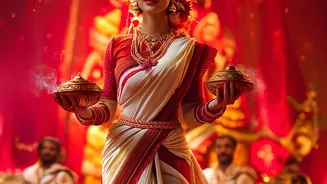
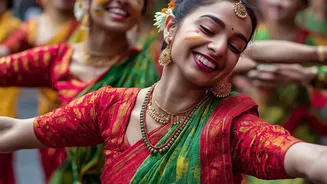
Beyond the primary rituals, Durga Puja is a time for community and culture. Many neighbourhoods and puja committees organise local cultural programs featuring traditional music, dance, and theatre. Keep an eye out for 'dhunuchi naach', a mesmerising ritualistic dance performed with incense burners, often held on the evening of Ashtami. This is also a time for 'adda'—the quintessential Bengali art of long, freewheeling conversations. Find a spot at a local tea stall or within a para (neighbourhood) pandal, and simply observe the vibrant social life of the city. It's in these smaller, spontaneous moments of shared joy, conversation, and cultural performance that the true, all-encompassing spirit of Durga Puja can be found.