




You've heard it for years: houseplants are nature's air purifiers. It's a comforting thought, but the truth is more complex. Let's explore the real story behind this popular belief and why your green friends are still worth keeping around.
The Myth's Origin: A NASA Study
The idea that
houseplants scrub toxins from the air largely comes from a 1989 NASA study. Researchers were looking for ways to clean the air in sealed environments like space stations. They placed various plants in small, airtight chambers and introduced pollutants like formaldehyde and benzene. The study found that certain plants did indeed absorb some of these volatile organic compounds (VOCs). This finding was scientifically sound, but the problem began when these lab conditions were equated with a typical home or office. Your living room is not a sealed space station; air constantly circulates through windows, doors, and ventilation systems. This natural air exchange dilutes pollutants far more effectively than a few potted plants.
The Reality Check
More recent analyses have put the NASA study into perspective. A widely cited 2019 review by researchers at Drexel University concluded that you would need an impractically large number of plants to make a meaningful difference to indoor air quality. Estimates suggest it would take anywhere from 10 to 1,000 plants per square metre of floor space to compete with a building's standard ventilation system. To put it simply, while plants do absorb tiny amounts of VOCs, the effect in a normal, ventilated room is negligible. For serious air purification, opening a window or using a mechanical air purifier is thousands of times more effective. But that doesn't mean you should give up on your leafy companions. They have plenty of other proven benefits.
1. Snake Plant (Dracaena trifasciata)
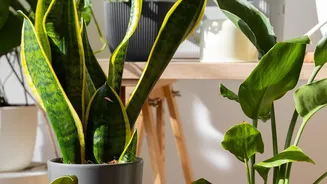
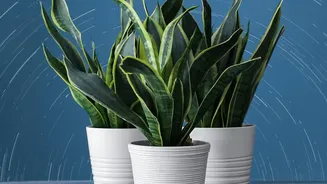
Often hailed as a top air purifier, the Snake Plant was part of the original NASA study. It's also famous for performing a type of photosynthesis that releases oxygen at night, making it a popular choice for bedrooms. While its air-cleaning powers are overstated in a home setting, its real superpower is resilience. This plant is nearly indestructible, tolerating low light and infrequent watering, which makes it perfect for beginners or forgetful owners. Its sharp, architectural leaves add a modern, stylish touch to any space, making it a decorative workhorse.
2. Spider Plant (Chlorophytum comosum)
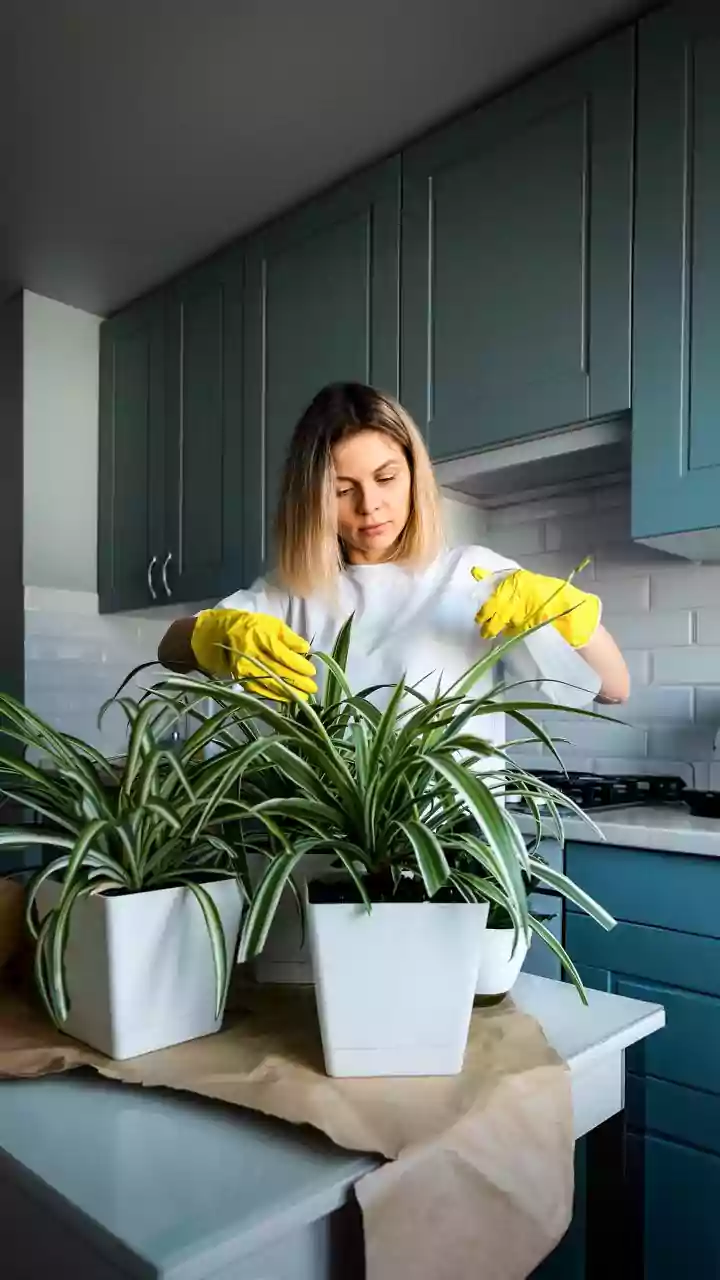
The Spider Plant is another NASA study alumnus, known for its cascading foliage and easy-to-propagate 'spiderettes' (baby plants). While you'd need a jungle of them to significantly clean your air, they are fantastic for other reasons. They are adaptable to various light conditions and are very forgiving, making them another excellent choice for new plant parents. Their arching leaves add a sense of lushness and life to hanging baskets or shelves. Plus, studies show that simply being around plants can help reduce stress and improve your mood.
3. Pothos (Epipremnum aureum)
Often called Devil's Ivy, Pothos is beloved for its trailing, heart_shaped leaves that can be green or variegated. It's one of the most durable houseplants you can find, thriving even with minimal care and in low_light conditions. Though its contribution to air purity is minimal, its fast_growing vines create an instant feeling of a green oasis. The act of caring for plants, including simple tasks like watering and trimming a Pothos, can be a therapeutic and mindful practice, helping to lower stress and anxiety.
4. Peace Lily (Spathiphyllum)
The Peace Lily, with its glossy dark leaves and elegant white spathes, was also featured in NASA's research. It has a reputation for being a great air cleaner, but like the others, its true value lies elsewhere. Peace Lilies are surprisingly resilient and have a helpful habit of drooping slightly when they need water, making them great communicators for beginners. They tolerate lower light levels well and their ability to produce beautiful blooms indoors adds a touch of sophistication that few other low_maintenance plants can offer.
5. Rubber Plant (Ficus elastica)
The Rubber Plant's large, glossy leaves have a significant surface area, which led to its inclusion in air_purifying lists. While it does engage in phytoremediation—absorbing pollutants—the scale is too small to matter in a typical room. Its real benefit is its bold, dramatic look. A Rubber Plant can serve as a stunning focal point, growing into a small indoor tree. It's relatively easy to care for, preferring bright, indirect light and consistent moisture. Its presence alone can make a room feel more grounded and connected to nature.
6. Aloe Vera (Aloe barbadensis)
Known more for the soothing gel inside its leaves than for air purification, Aloe Vera is nonetheless a fantastic houseplant. It is a succulent that thrives on a bit of neglect, preferring bright light and infrequent watering. The real benefit of having an Aloe Vera plant is its utility. The gel from its leaves can be used to soothe minor burns and skin irritations. Beyond its practical uses, its spiky, architectural form adds a unique decorative element to a sunny windowsill or desk.