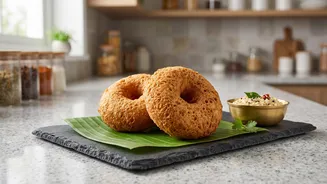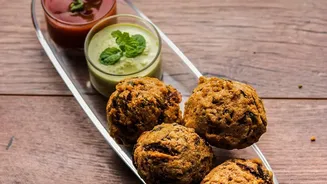


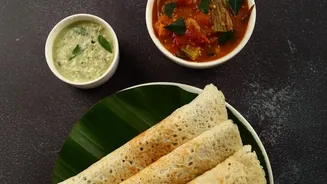


The perfect breakfast often involves something hot, crispy, and deeply satisfying. Imagine golden, savoury doughnuts, fluffy on the inside, served with flavourful dips. This is the magic of a medu vada breakfast, and it's easier to create at home than
you think.
The Heart of the Meal: Perfect, Spicy Vada
The foundation of a great medu vada is the batter, which begins with one simple pantry hero: urad dal (split and skinned black gram lentils). The process starts with soaking the dal for at least four to six hours, or even overnight, until the lentils are soft enough to break easily. Once soaked, the key is to grind them into a smooth, thick paste using as little water as possible. Many seasoned cooks recommend using ice-cold water to prevent the grinder from heating up the batter, which can lead to dense vadas. The ideal consistency is thick and fluffy. Into this base, you can mix in your flavourings. Common additions include finely chopped green chillies, grated ginger, curry leaves, crushed black peppercorns, and a pinch of asafoetida (hing) for that authentic aroma. Some recipes also call for finely chopped onions for extra taste and texture.
Mastering the Vada: Tips for Crispy Perfection
The secret to a vada that is crispy on the outside and soft and airy inside lies in the batter and the frying technique. After grinding, it's crucial to aerate the batter by beating it vigorously with your hand or a whisk for a few minutes. This incorporates air and makes the vadas light. A classic test for readiness is to drop a small amount of batter into a bowl of water; if it floats, it's ready. If the batter is too runny, a tablespoon or two of rice flour can help thicken it. When you are ready to fry, heat oil in a kadhai over a medium-high flame. The traditional donut shape is formed by wetting your hands, taking a portion of batter on your palm, flattening it slightly, and using your thumb to make a hole in the centre before gently sliding it into the hot oil. This technique takes practice, but wetting your hands prevents the batter from sticking. Fry the vadas on a medium flame, turning them until they are evenly golden brown and crisp.
Pantry-Friendly Sides: Quick Chutneys
No vada is complete without its accompanying chutneys. You don't need fresh coconut to make a delicious version. A quick coconut chutney can be made using desiccated coconut soaked in warm water or yogurt for a few minutes to soften it. Blend this with green chillies, ginger, a little salt, and perhaps some roasted chana dal for body. For the final touch, prepare a simple tadka by heating a little oil, sputtering mustard seeds, and adding a dried red chilli and a few curry leaves to pour over the top. Another fantastic pantry option is a simple tomato and onion chutney. Just sauté chopped onions, tomatoes, garlic, and dried red chillies in a little oil until soft. Allow the mixture to cool completely before blending it into a smooth paste. This tangy and spicy chutney is a perfect counterpoint to the rich, fried vada.
Bringing It All Together for Breakfast
Assembling your vada breakfast plate is the final, joyous step. The vadas are best served immediately after frying to retain their maximum crispiness. Arrange a few hot vadas on a plate alongside small bowls of your freshly made coconut and tomato chutneys. Medu vada is also traditionally served with sambar, a tangy lentil and vegetable stew. If you have a ready-made sambar powder in your pantry, a quick version can be prepared while your vadas are frying. The combination of dipping the crispy vada into the hot sambar and then into the cool, spicy chutneys is a classic South Indian experience. For an even simpler approach, vadas can also be served with a side of plain yogurt or dahi. The versatility of the vada makes it a welcome addition to any breakfast spread, whether it's an elaborate weekend affair or a special weekday treat.