




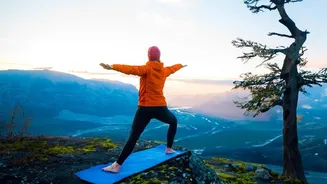
The Inward Journey: Yoga's Quiet Power
Yoga works its magic from the inside out, directly influencing the body's nervous system. The key lies in its ability to activate the parasympathetic nervous system (PNS), often called the 'rest and digest' system. When we experience chronic stress from daily
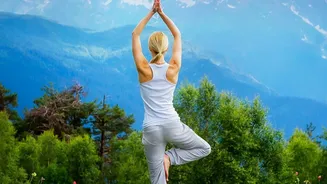
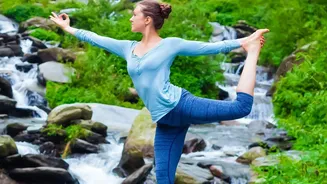
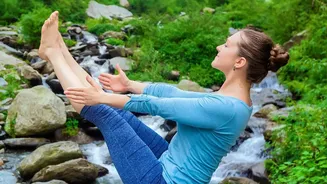
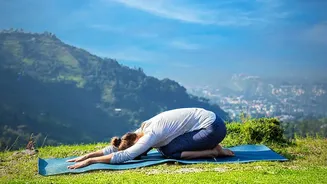
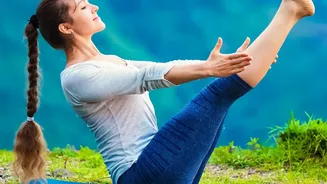
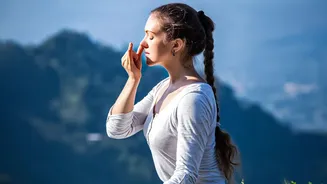
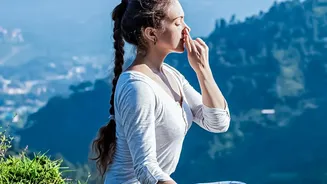
life, our 'fight or flight' response, governed by the sympathetic nervous system, can get stuck in the 'on' position. Yoga acts as a powerful counter-signal. Practices like slow, deliberate breathing (pranayama), especially with a longer exhale, directly stimulate the vagus nerve. This nerve is a superhighway for the PNS, running from the brainstem to vital organs like the heart and lungs. Stimulating it helps to slow the heart rate, lower blood pressure, and guide the body back to a state of equilibrium. Postures (asanas), particularly forward folds and gentle inversions, also contribute by releasing physical tension and affecting blood flow in ways that promote calm. It's a physiological process that creates a palpable sense of peace, proving that yoga is much more than just stretching.
The Outward Path: Trekking's Physical Release
While yoga encourages you to look inward, trekking invites your focus outward, onto the trail, the horizon, and the natural world around you. This shift in focus is a form of moving meditation. The physical exertion of hiking, especially over varied terrain, prompts the brain to release endorphins. These are often called 'feel-good' hormones because they act as natural mood elevators and pain relievers. This biochemical boost can create a feeling often referred to as a 'runner's high', which is accessible through any sustained aerobic activity, including a vigorous trek. Beyond the chemical rewards, spending time in nature has been shown to reduce stress, calm anxiety, and lower the risk of depression. The simple act of navigating a path, listening to the sounds of nature, and breathing fresh air helps to quiet the mental chatter that so often contributes to stress. Trekking provides a tangible goal and a physical release, allowing you to walk off worries and gain a fresh perspective.
Internal Calm Meets External Engagement
At first glance, the quiet stillness of a yoga mat and the ruggedness of a mountain trail seem worlds apart. Yet, they are two sides of the same coin, each addressing well-being in a complementary way. Yoga cultivates interoception—an awareness of your internal state, such as your breath and heartbeat. It teaches you to regulate your system from within. Trekking, on the other hand, promotes exteroception—awareness of the world outside yourself. It quiets the mind by giving it something tangible and beautiful to focus on. One practice helps you find peace in stillness, while the other helps you find it in movement. Yoga provides the tools to manage stress when you're sitting with your thoughts, while trekking offers a healthy escape and a physical outlet for pent-up energy. Together, they create a robust toolkit for mental and physical resilience.
The Perfect Pair for Holistic Health
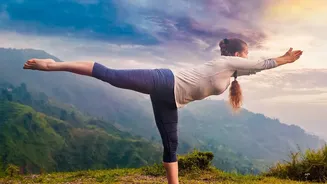
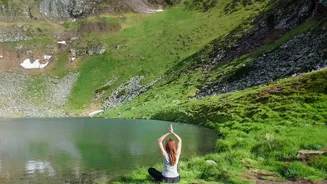
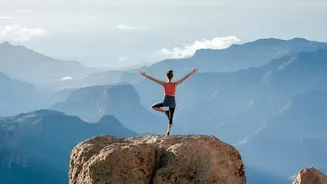
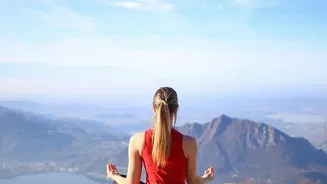
Combining yoga and trekking can enhance the benefits of both. Many trekkers use yoga to prepare their bodies for the trail, improving flexibility, balance, and core strength, which are crucial for navigating uneven ground. A regular yoga practice can help prevent injuries by keeping muscles supple and joints mobile. After a long day of hiking, yoga serves as the perfect recovery tool. Gentle stretches can alleviate muscle soreness in the legs and back, while calming breathing techniques can help the body wind down. This synergy has led to a rise in yoga and trekking retreats, which offer the chance to practice meditation in the mountains and connect deeply with nature. Whether it's a few sun salutations at a scenic viewpoint or a dedicated stretching session after a trek, blending these practices can lead to a more profound sense of well-being, both on and off the trail.