


A City Bathed in Bloom
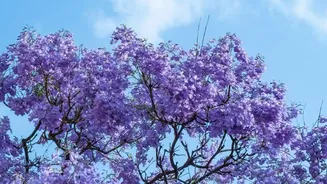
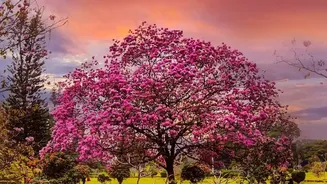
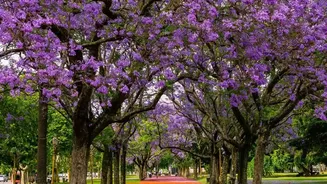
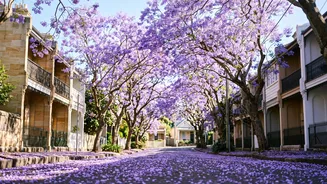
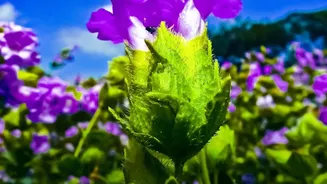
For a few precious weeks, streets and parks across Sydney are canopied by the vibrant, bell-shaped flowers of the jacaranda tree. This annual spectacle turns ordinary suburban roads into breathtaking floral tunnels and dusts historic laneways with a carpet
of fallen lilac petals. It's a period that locals and tourists eagerly anticipate, a visual cue that warmer days have arrived. The cityscape, framed by the iconic Harbour Bridge and Opera House, takes on a softer, more romantic quality, with splashes of purple complementing the brilliant blue of the water. This ephemeral event has become so intertwined with the city's identity that many are surprised to learn these beloved trees are not native to Australia at all.
An Imported South American Treasure
The Jacaranda mimosifolia is, in fact, native to South America, primarily Brazil, Argentina, and Bolivia. Its journey to Australian shores is a tale of 19th-century botanical exploration. The first jacaranda seeds are believed to have been planted in Australia around the mid-1800s, with Brisbane's City Botanic Garden receiving some of the earliest specimens in 1864. Sydney's love affair with the tree began around the same time, with an early specimen blooming in the Royal Botanic Garden in the 1850s. Over the decades, their popularity surged, and they were widely planted as ornamental street trees, valued for their stunning appearance and the shade they provide in summer. Though initially rare, the trees propagated easily in Sydney's climate, allowing their descendants to flourish across the metropolitan area.
Where to Find the Purple Haze
While jacarandas can be spotted across the city, some locations offer a particularly immersive experience. The undisputed epicentre of jacaranda season is McDougall Street in the lower north shore suburb of Kirribilli. Here, a long avenue of mature trees forms a dense, arching canopy that has become an international Instagram sensation. Nearby, Lavender Bay offers spectacular harbour views framed by purple blooms, especially around Wendy Whiteley's Secret Garden. In the city's eastern suburbs, Paddington is another hotspot, particularly along Oxford Street near the Victoria Barracks and the trendy Five Ways intersection. For a more historic setting, a walk through The Rocks and Circular Quay offers views of the trees against sandstone buildings and the harbour. The sprawling grounds of the University of Sydney in Camperdown also boast impressive collections, where the blooming trees have become part of university folklore.
A Cultural Phenomenon
Beyond their visual appeal, jacarandas have woven themselves into Sydney's cultural fabric. For university students, the blooming of the jacaranda has long been a beautiful, if slightly stressful, symbol of impending final exams. An old adage at the University of Sydney suggests that if you haven't started studying by the time the first blossom appears, you're in trouble. The season has also become a major driver of local tourism and community engagement. Some neighbourhoods and businesses embrace the purple craze, with cafes offering jacaranda-themed cocktails and local councils managing crowds in the most popular viewing spots. The town of Grafton in northern NSW, considered the jacaranda capital of Australia, even hosts an annual festival celebrating the bloom, attracting thousands of visitors. This adoption of a non-native species speaks to Sydney's character as a city of immigrants, where elements from around the world are woven into a unique local identity.