




Home of the One-Horned Rhino
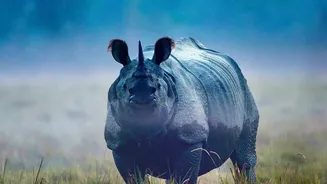
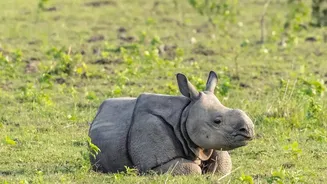
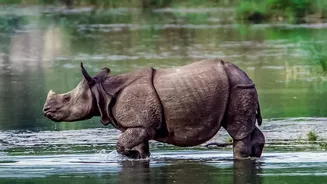
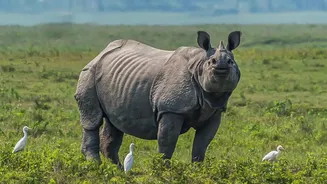
Kaziranga National Park is globally famous for one reason above all: it is the world's largest stronghold for the Indian one-horned rhinoceros. This magnificent park in Assam is home to over two-thirds of the entire global population, with a 2018 census
counting more than 2,400 rhinos within its borders. The park's remarkable success in conservation has brought the species back from the brink of extinction. Spanning across floodplains of the Brahmaputra River, its landscape of tall elephant grass, marshland, and dense forests provides the perfect habitat for these majestic animals. Declared a UNESCO World Heritage site in 1985, Kaziranga is a testament to India's commitment to wildlife preservation.
Planning Your Visit: The Best Time to Go
Timing is everything when planning a trip to Kaziranga. The park is open to visitors from November to April, and this window is considered the best time to visit. During these months, the weather is pleasant and dry, making wildlife sightings much more frequent. The park remains closed from May to October due to the heavy monsoon rains, which cause the Brahmaputra River to flood large areas of the park. For the most comfortable weather, plan your visit between November and February. If your primary goal is to spot as much wildlife as possible, the months of March and April are ideal, as animals often gather around the shrinking water bodies. The 2026-2027 tourist season officially began on October 3, 2026.
How to Reach Kaziranga
Kaziranga is well-connected by air, rail, and road. The most common route is to fly into Lokpriya Gopinath Bordoloi International Airport in Guwahati, which is about 217 km away, and then take a taxi or bus for the 4-5 hour drive to the park. Another option is Jorhat Airport, which is closer at about 97 km, but has fewer flight connections. The nearest major railway station is Furkating Junction, around 80 km from the park. However, many travellers prefer to take a train to Guwahati, which has broader connectivity across India, and then proceed by road. The drive along National Highway 715 (formerly NH-37) is scenic and takes you directly to Kohora, the main entrance area for the park where most hotels and resorts are located.
Exploring the Park: Safari Options
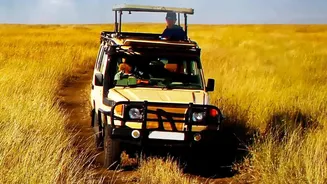
There are two primary ways to explore the wilds of Kaziranga: by jeep or by elephant. The park is divided into four main tourist zones: the Central Range (Kohora), Western Range (Bagori), Eastern Range (Agaratoli), and Burapahar Range. Jeep safaris are the most popular option, allowing you to cover more ground. They typically run in morning and afternoon slots. For a more intimate experience, the early morning elephant safari is a must-do. Riding on elephant-back provides a higher vantage point, making it easier to see over the tall grass and spot rhinos up close. The Western (Bagori) and Central (Kohora) ranges are particularly renowned for rhino sightings and offer both jeep and elephant safaris. For the current season, elephant safaris began on November 1, 2026.
Beyond the Rhino: A World of Wildlife
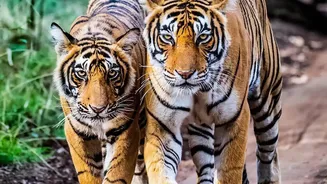
While the rhino is the star attraction, Kaziranga's biodiversity is staggering. The park is also a designated Tiger Reserve and boasts one of the highest densities of Bengal tigers in the world, though sightings are rare due to the tall grass. Kaziranga is also home to large populations of Asian elephants, wild water buffalo, and eastern swamp deer (Barasingha). These animals, along with the rhino and tiger, are known as Kaziranga's 'Big Five'. Other inhabitants include hog deer, sloth bears, and the hoolock gibbon, India's only ape. The park is also a birdwatcher's paradise, with hundreds of species, including migratory birds that flock here in winter.