







Your Favorite Indian Ingredients, Explained
For many Americans, these ingredients are simply delicious components of a restaurant meal. Ghee is a type of clarified butter, prized for its high smoke point and nutty flavor, often brushed on naan or used as a cooking fat. Paneer is a fresh, firm,
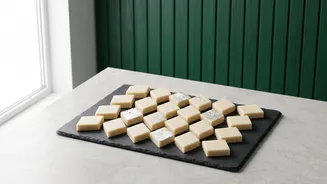
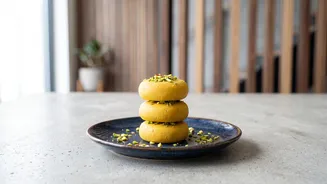
non-melting cheese that stars in dishes like saag paneer and paneer tikka masala. Khoya, also known as mawa, is a less common sight in the U.S. but is a foundational ingredient in India. It consists of milk solids created by slowly simmering milk for hours until it thickens. It forms the base for countless traditional sweets, or mithai, especially during holidays and celebrations.
The Problem of Adulteration
The crackdown in Maharashtra isn't about the ingredients themselves, but what’s being illegally added to them. With demand for these products soaring, especially during the festive season, some producers cut corners to boost profits. This practice, known as adulteration, is a serious public health concern. Common adulterants in ghee include cheaper vegetable fats or palm oil. Paneer and khoya face even more alarming issues. To increase volume and mimic texture, producers may add starch, but some have been caught using synthetic milk made from detergents, urea, and other chemicals. In some raids, paneer samples have tested positive for detergent. Maharashtra has even banned the manufacture and sale of so-called 'analogue paneer', made from non-dairy fats, when it's passed off as the real thing.
Why the Crackdown Is Happening Now
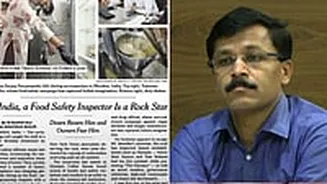
The timing of this heightened scrutiny is no coincidence. India's festive season, which includes major holidays like Diwali and Navratri, sees a massive spike in the consumption of sweets and rich foods. This surge in demand creates a lucrative market for counterfeit and low-quality products. Unscrupulous suppliers take advantage of the rush, pushing adulterated goods into the market to meet demand at a lower cost. Recognizing this pattern, the Maharashtra Food and Drug Administration (FDA) has launched a proactive, statewide enforcement drive to protect consumers. Led by a commissioner known for his tough stance, the campaign aims to bust food-fraud rackets before the festival rush peaks.
Raids, Seizures, and Suspended Licenses
The Maharashtra FDA's campaign has been widespread and aggressive. In a series of coordinated actions across the state, officials have seized thousands of kilograms of suspicious food products. Raids on manufacturing units, dairies, and even restaurants have uncovered not just adulterated products but also deeply unhygienic conditions, including pest infestations and improper food storage. In one case, inspectors found counterfeit ghee being made by blending oil and vanaspati in a facility infested with rats and cockroaches. As a result, authorities have suspended the licenses of dozens of establishments, filed police reports, and made numerous arrests, sending a clear message that food safety violations will not be tolerated.
What It Means for U.S. Consumers
While this crackdown is a domestic issue within India, it offers a revealing look into the global food system. It underscores the challenges of maintaining food safety and authenticity, especially for high-demand cultural products. For Americans who enjoy Indian cuisine, it’s a reminder that the quality of ingredients matters immensely. The situation highlights the importance of sourcing food from trusted suppliers, whether it’s a local restaurant or an international grocery store. While the products being seized in Maharashtra are not directly headed for U.S. shelves, the underlying issues of food fraud and safety are a global concern. This crackdown is a local fight, but it reflects a universal desire for safe, authentic food.