

The Unavoidable Contaminant: Us
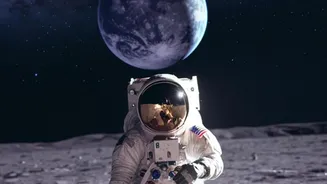
Humans are natural explorers, and they bring their microbes with them. Every person carries a bustling ecosystem of bacteria, fungi, and other microorganisms. On average, a patch of skin the size of a pencil eraser is home to about one million bacteria.
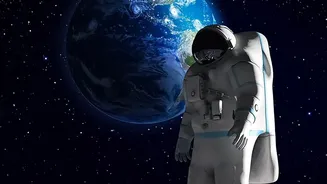
In the confined environment of a spacecraft or a lunar habitat, these microbes, along with shed skin cells and stray hairs, are unavoidably released into the environment. Even with advanced life support systems, these microscopic hitchhikers can vent from spacesuits and habitats, settling on surfaces, tools, and the pristine lunar soil itself. While basic hygiene in space is a challenge, involving no-rinse shampoos and vacuum-powered toilets, the issue goes far beyond personal comfort. This biological footprint presents a fundamental challenge to planetary protection, the practice of preventing a mission from contaminating the world it's exploring.
Jeopardizing the Scientific Record
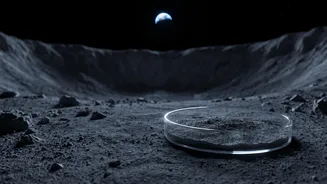
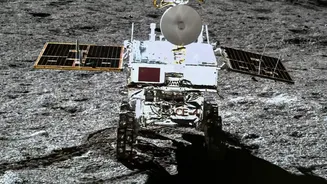
The primary goal of returning to the Moon, particularly the permanently shadowed craters of the South Pole, is science. These regions are cosmic cold traps, preserving ice and dust that could contain a multi-billion-year-old record of our solar system, and potentially even chemical clues to the origins of life on Earth. The introduction of Earth-based microbes and organic molecules threatens to corrupt this priceless archive. Scientists worry it will become increasingly difficult to distinguish between what is truly native to the Moon and what was delivered by visiting astronauts. Finding an organic molecule on the Moon would be a monumental discovery, but its value is erased if we can't be certain it didn't just fall off an astronaut's boot. The contamination is so pervasive that even a single bootprint can create a new, albeit temporary, niche for microbes to survive.
False Positives in the Search for Life
One of the most profound questions we can ask is, "Are we alone?" The search for life, or its chemical precursors, is a major driver of space exploration. The Moon, long thought to be sterile, is now seen as a potential freezer, preserving materials blasted off a young Earth. However, this search is incredibly sensitive. If astronauts contaminate a sample with terrestrial DNA or amino acids, it could lead to a false positive—a mistaken belief that we've found evidence of extraterrestrial biology. NASA and other space agencies go to great lengths to sterilize robotic probes, but this is impossible with human missions. Recent studies have shown that some resilient Earth microbes, like the fungus Aspergillus, could survive in a dormant state for days in the shaded, cold regions of the lunar poles that missions like Artemis are targeting. This makes contamination not just a possibility, but a probability that scientists must plan for.
Beyond Microbes: Chemical Contamination
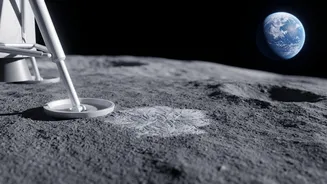
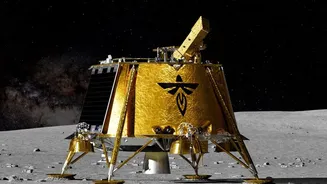
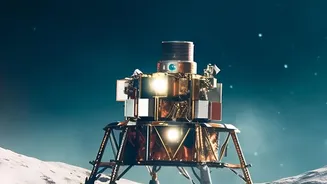
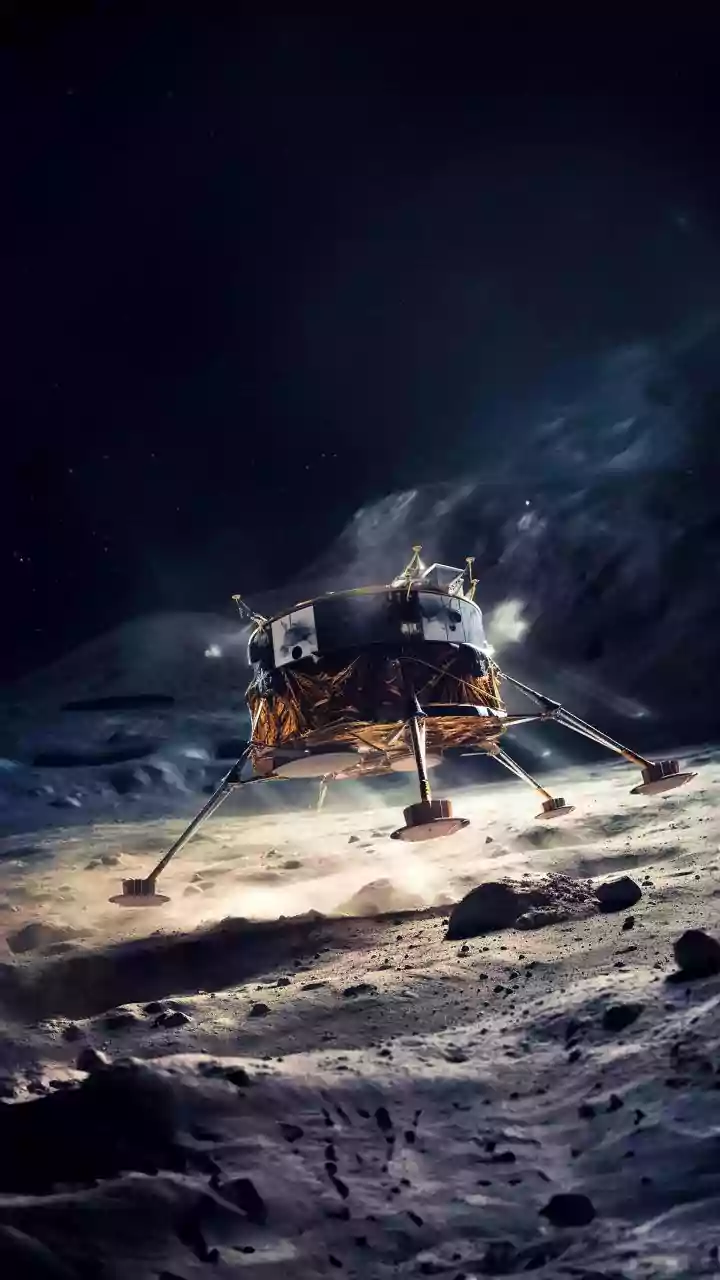
It's not just about living organisms. The very act of landing on the Moon can pollute the environment. The exhaust from lunar landers, a major component of which is methane, can spread rapidly across the surface in the Moon's near-vacuum. Computer simulations show these exhaust gases don't just dissipate; they can become trapped in the same icy polar craters scientists want to study, altering their chemical makeup. Furthermore, the fine, abrasive lunar dust itself poses a health hazard to astronauts. Described by Apollo astronauts as smelling like burnt gunpowder, this dust can cause respiratory issues and skin irritation, a phenomenon dubbed "lunar hay fever." Managing this dust and preventing it from being tracked inside habitats is a crucial hygiene and health challenge that also helps maintain the cleanliness of the interior environment and protect sensitive scientific equipment.
The Cleanliness Mandate for Artemis
For upcoming Artemis missions, which aim to establish a long-term human presence on the Moon, contamination control is a top priority. The strategy isn't to prevent all contamination, which is accepted as unavoidable, but to meticulously track it. This involves creating a comprehensive catalogue of every material and microbe we bring, allowing future scientists to subtract our biological and chemical signatures from their analyses. Scientists are developing new tools, stricter protocols for handling samples, and advanced cleaning technologies. The goal is to treat the Moon as a natural laboratory, where even the contamination we introduce can become a useful experiment in itself, helping us understand the limits of microbial survival in extreme environments. This careful approach ensures that while we leave our footprints, we don't inadvertently erase the scientific discoveries we went there to find.