








The Power of Exercising in Nature
There's a good reason why jogging in a park or walking along a tree-lined street feels so restorative. Exercising outdoors is consistently linked with significant health advantages. Studies have shown that even short bursts of physical activity in a natural
setting can uplift your mood and support mental health. The varied terrain can challenge more muscle groups than a treadmill, and exposure to sunlight helps the body produce Vitamin D. From a brisk walk to a vigorous cycle, outdoor movement connects us with our surroundings and provides a powerful antidote to a sedentary indoor lifestyle. But to truly harness these benefits, it's essential to be strategic.
Navigating the Urban Environment Safely
Before you even think about pace or distance, personal safety must be your top priority, especially in urban areas. Being aware of your surroundings is critical. This means choosing well-lit routes, especially if you exercise early in the morning or after sunset. Wearing bright or reflective clothing makes you more visible to traffic. If you're running on a road without a sidewalk, always move against the flow of traffic so you can see oncoming vehicles. It's also wise to let someone know your route and when you expect to be back. Consider keeping your music volume low or using only one earbud to remain alert to sounds like traffic, cyclists, or other people. Simple precautions ensure your focus remains on your fitness, not on avoidable hazards.
The Critical Role of Shade and Sun Protection
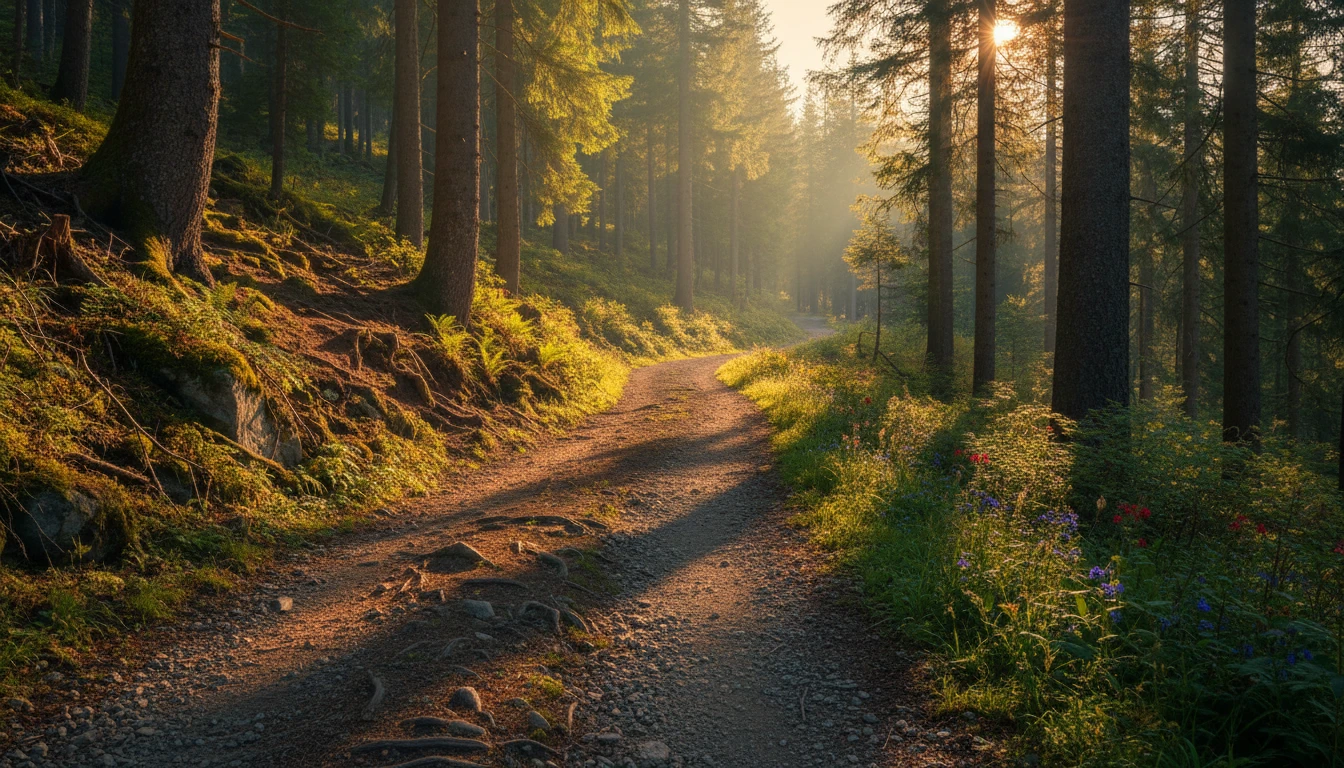
In a country like India, heat and sun exposure are major factors. Exercising in direct sun during peak hours can lead to dehydration, heat exhaustion, and even life-threatening heatstroke. The symptoms of heat exhaustion include heavy sweating, weakness, dizziness, and headache. If not addressed, this can progress to heatstroke, characterized by a high body temperature, confusion, and sometimes a loss of consciousness, which requires immediate medical attention. The solution is to seek shade. Plan your workouts for cooler parts of the day, like the early morning or late evening. Whenever possible, choose parks or paths with ample tree cover. Trees not only provide a physical barrier from UV rays but also create a cooling effect, making outdoor spaces more comfortable for physical activity. Always wear sunscreen with at least SPF 30, a hat, and sunglasses to protect your skin.
Breathing Easy: The Air Quality Factor
What you breathe in is just as important as how you move. Exercising in areas with poor air quality can do more harm than good. When you exercise, you breathe more deeply, drawing pollutants further into your lungs and potentially into your bloodstream. These fine particulate matter, often from vehicle exhaust or industrial sources, can increase the risk of respiratory issues and cardiovascular stress. Many Indian cities face significant air pollution challenges. Fortunately, you can take control. Numerous apps and websites provide real-time Air Quality Index (AQI) data for specific localities in India. On days when the AQI is high (typically over 100), it's best to reduce the intensity of your outdoor workout or switch to an indoor activity. If you must be outside, try to exercise away from heavy traffic and during times of day when pollution levels are typically lower, like early in the morning.