





What is the New Diesel Proposal?
The government is actively planning to allow the blending of up to 15% isobutanol with diesel. Unlike ethanol, which does not mix well with diesel, isobutanol is seen as a viable alternative. It is a next-generation biofuel that can be produced from ethanol and
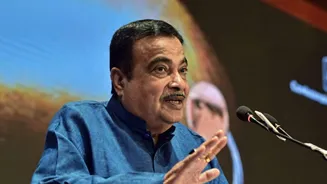
has a higher energy density, making it more compatible with existing diesel engines. According to Union Minister for Road Transport and Highways Nitin Gadkari, pilot projects for this blend have already shown promising results. This move is the next phase of India's broader biofuel program, which aims to reduce the country's heavy reliance on imported fossil fuels and promote cleaner energy.
Learning from the Petrol Precedent
This diesel strategy directly follows the path paved by the Ethanol Blended Petrol (EBP) programme. India successfully achieved its target of 20% ethanol blending in petrol (E20) in 2025, a full five years ahead of its original 2030 schedule. The EBP programme was designed to reduce crude oil imports, cut carbon emissions, and provide an additional income stream for farmers. Since 2014, the programme has reportedly saved over ₹1.9 lakh crore in foreign exchange and paid out over ₹1.18 lakh crore to farmers for ethanol procurement. Having achieved this milestone, the government is even exploring higher blends like E85 and E100 for flex-fuel vehicles, signaling its confidence in the biofuel strategy.
The Three Core Goals: Energy, Economy, Environment
The push for blending both petrol and diesel is driven by three main objectives. First is energy security. India imports over 85% of its crude oil, making its economy vulnerable to global price shocks and geopolitical instability. Biofuels offer a homegrown alternative that reduces this dependency. Second is economic benefit, particularly for the agricultural sector. Biofuel production creates a massive new market for crops like sugarcane, maize, and other agricultural residues, directly boosting farmer incomes. Third is environmental impact. Biofuels are cleaner-burning fuels that help reduce greenhouse gas emissions from vehicles, contributing to India's climate goals and improving air quality.
Challenges on the Road Ahead
Despite the success with ethanol, expanding into diesel blending comes with its own set of challenges. The proposal for isobutanol is still in its early stages, with long-term trials needed to confirm its reliability and performance in heavy-duty diesel engines. The cost of producing isobutanol is also likely to be higher than ethanol, as it requires further processing. A major hurdle for the entire biofuel program is ensuring a sustainable supply of feedstock without impacting food security—the classic "food versus fuel" debate. Critics argue that diverting crops like sugarcane and maize for fuel could strain water resources and affect food prices. Furthermore, while the E20 petrol rollout has been a policy success, it has faced some consumer backlash, with drivers of older vehicles complaining about reduced mileage and potential engine issues, prompting protests and public debate.