






What is a Dark-Sky Reserve?
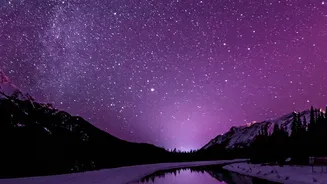
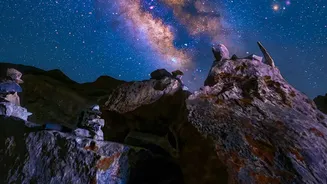
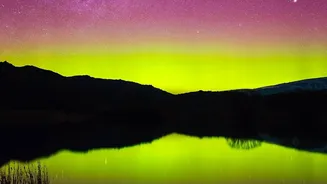
A Dark-Sky Reserve is an area of land, often large and remote, that is certified for its exceptional starry nights and protected against light pollution. Spearheaded by organisations like DarkSky International, this designation isn't just a label; it’s
a commitment. To qualify, a reserve must have a dark 'core' zone with pristine skies and a surrounding 'periphery' where communities adopt smart lighting policies to protect that core. This structure helps preserve the natural nocturnal environment for scientific research, wildlife, and cultural heritage, all while allowing public enjoyment. The goal is to create a partnership between land managers and local communities to safeguard the night sky for generations to come.
The Tourism Paradox
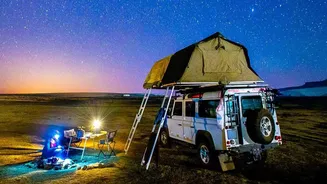
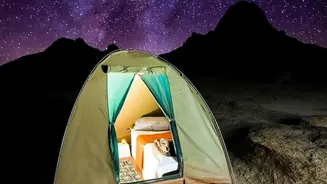
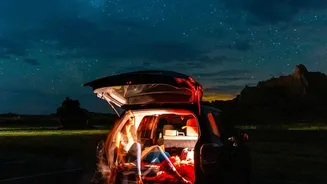
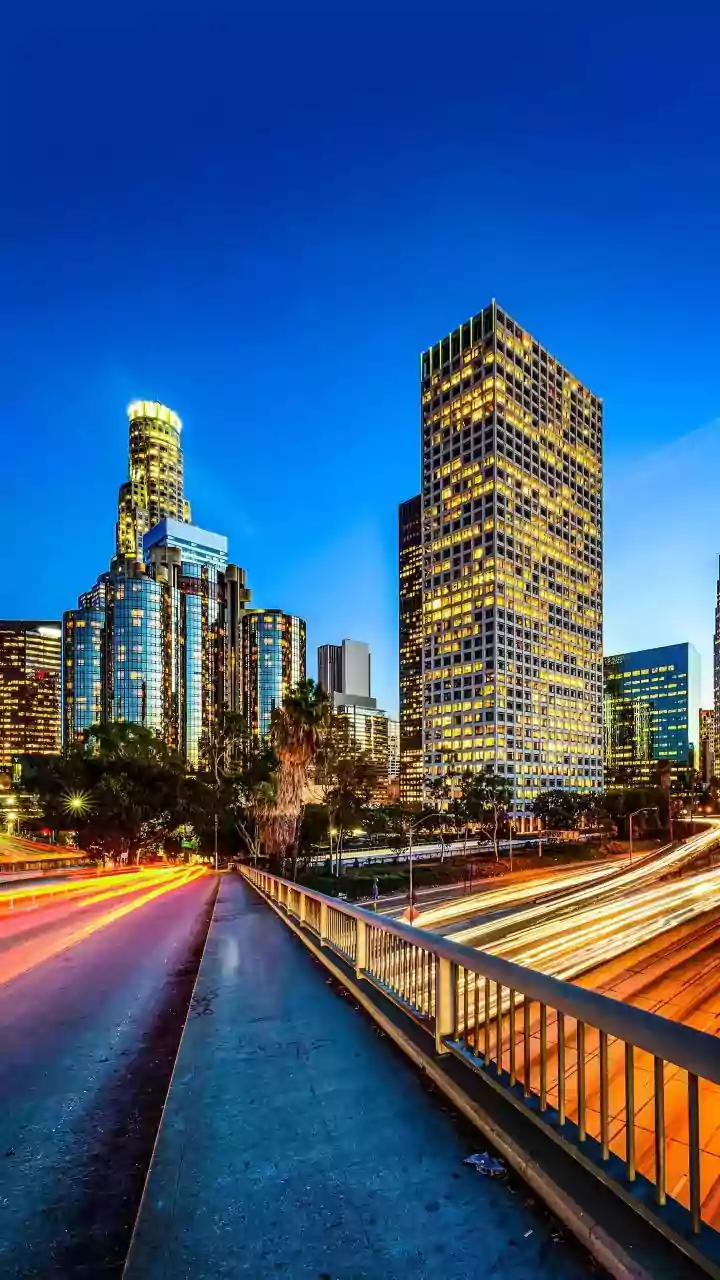
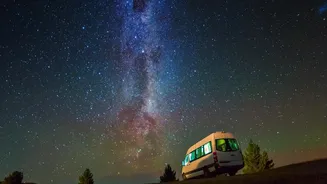
The very darkness that makes these reserves special is a powerful magnet for tourism. 'Astrotourism' is a booming trend, drawing travellers to remote areas for unparalleled views of the Milky Way and celestial events. This influx brings significant economic benefits, supporting local businesses like hotels, restaurants, and shops that might otherwise struggle. Studies show that visitors to dark-sky areas often stay overnight, boosting local economies and creating jobs. However, this success presents a paradox: more tourists mean more cars, more buildings, and more lights, all of which threaten the fragile darkness they came to see. Unchecked, tourism can bring the same light pollution that plagues urban areas, undermining the entire purpose of the reserve.
Balancing Light and Livelihood
So, how do these reserves welcome visitors without sacrificing the stars? The answer lies in a multi-faceted strategy of smart management and education. A cornerstone of this approach is the implementation of responsible lighting ordinances. This doesn't mean plunging communities into total darkness. Instead, it involves using 'night-sky friendly' fixtures that are shielded to direct light downwards, using warmer-coloured bulbs, and ensuring lights are no brighter than necessary and are used only when needed. Many reserves also establish designated stargazing areas to concentrate visitor activity, minimising widespread impact. Education is another key pillar. By teaching both residents and tourists about the value of dark skies and the harm caused by light pollution, reserves build a culture of stewardship. This includes ranger-led astronomy programmes and providing information on how to be a responsible 'dark sky' tourist.
A Success Story: The Hanle Model
India's first Dark-Sky Reserve in Hanle, Ladakh, offers a powerful example of this balance in action. Located high in the Himalayas, the region boasts some of the clearest skies on Earth, making it a prime location for both astronomical research and tourism. To harness this, a programme was created to train local villagers as 'Astronomy Ambassadors'. These guides, many of whom are women, are equipped with telescopes and trained to lead stargazing sessions for visitors. This initiative provides a direct economic incentive for the community to protect the night sky. Tourists pay for the tours, stay in local homestays, and contribute to a thriving local economy that now depends on keeping the skies dark. In parallel, the reserve has strict light management rules, providing residents with dark-sky friendly equipment like thick curtains and warm light bulbs to minimise light spill.
Why It Matters for Everyone
The success of Dark-Sky Reserves demonstrates a more sustainable and responsible model for tourism. It proves that economic growth and environmental conservation can go hand-in-hand. For local communities, it creates new, sustainable livelihoods rooted in protecting a unique natural asset. For visitors, it offers a profound connection to the universe, an experience that is becoming increasingly rare in our brightly lit world. Ultimately, these reserves do more than just save a beautiful view. They protect nocturnal habitats for wildlife, reduce energy waste from inefficient lighting, and preserve a fundamental part of our shared human heritage. They remind us that darkness is not an absence of something, but a presence of everything the universe has to offer.