








A New Name and a Sharper Look
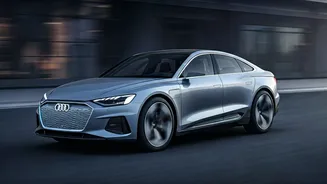
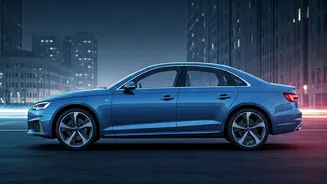
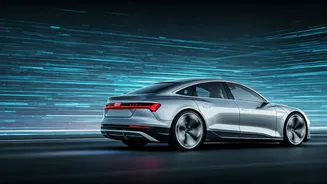
The first thing to know about the new Audi A4 is that it will likely be called the A5. Following a revised naming strategy, Audi plans to assign odd numbers to internal combustion engine models and even numbers to electric vehicles. The upcoming model,
set to replace the current A4, will be a sedan with a functional hatchback, blending style with greater utility. The exterior design is expected to be an evolution, embracing a cleaner and more puristic look with a sweeping roofline, flush door handles, and a continuous rear light strip. This follows a new design language that emphasizes powerful proportions and an elegant silhouette, moving away from some of the fussy details of previous generations.
The Surprising Return of Physical Buttons
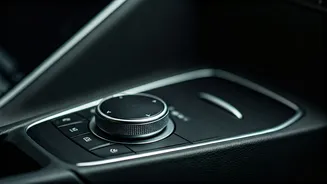
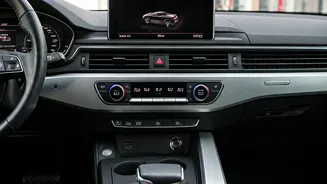
The most significant change, however, is happening inside the cabin. Audi is making a deliberate U-turn on its recent reliance on touch-sensitive controls. Acknowledging that the push for minimalist, screen-dominated interiors went too far, the company is reintroducing physical buttons for key functions. This move is a direct response to customer feedback, with a company spokesperson admitting that buyers have increasingly requested physical control management. The change is so urgent that Audi has begun updating even recently launched models to replace unpopular touch-sensitive sliders on steering wheels with physical rollers and buttons. This decision is part of a broader industry trend, with Volkswagen, Mercedes-Benz, and Hyundai also acknowledging that buttons are often safer and more intuitive for drivers.
Why Screens Fell Short
The industry's decade-long love affair with touchscreens was driven by a few key factors: they were seen as modern, offered software flexibility, and reduced manufacturing complexity by consolidating many functions into one component. However, the real-world drawbacks quickly became apparent. Drivers found touchscreens distracting, requiring them to take their eyes off the road to perform simple tasks like adjusting the climate control or volume. The lack of tactile feedback—the satisfying click or feel of a button—meant users couldn't operate controls by touch alone, increasing cognitive load and interaction times. Safety organizations have also raised concerns, with Europe's New Car Assessment Programme (Euro NCAP) set to lower safety scores for cars that bury critical functions like wipers and turn signals in touchscreen menus.
A Balanced and Digital Future
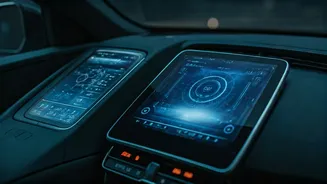
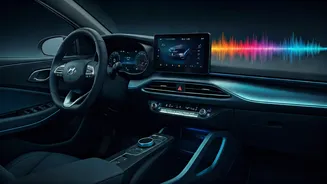
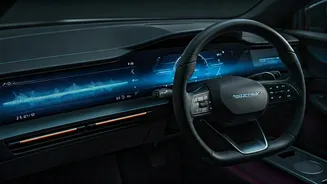
This doesn't mean Audi is abandoning technology. The new A4/A5 interior will still be a highly digital environment, but a more balanced one. It's expected to feature a large, curved panoramic display that seamlessly integrates the digital instrument cluster and a central infotainment touchscreen. The key difference is the philosophy. Audi’s Chief Creative Officer, Massimo Frascara, has criticized the practice of “piling on screens,” stating that technology should “appear when needed and disappear when not.” The goal is to blend the strengths of both worlds: using physical buttons for frequent, essential functions where eyes-free operation is crucial, and leveraging touchscreens for less critical tasks like navigation and media selection where visual interaction is more acceptable.
What Powers the New Generation
Underneath the new design, the A4/A5 will continue to offer a range of efficient powertrains, including mild-hybrid (MHEV) petrol and diesel engines. A plug-in hybrid model is also a key part of the lineup, offering a substantial electric-only range for daily commutes while retaining a petrol engine for longer journeys. Looking further ahead, Audi has also confirmed that an all-electric A4 e-tron is slated for a 2028 release, built on a next-generation platform. That future model is also set to embrace a new interior concept that will feature even greater use of physical buttons, solidifying the brand’s commitment to this new, more user-friendly direction.