




The Rise of the Micro-Travel Mindset
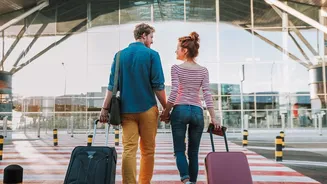
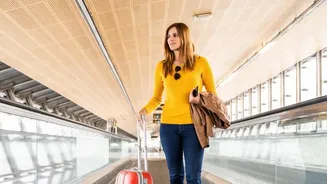
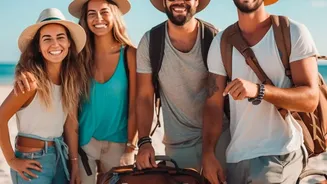
Hilton's 2027 trends report, titled "The Great Rebalance," surveyed over 14,000 travelers and identified a key shift: the emergence of the "Micro-Travel Mindset." Rather than waiting for a single, long holiday, people are increasingly opting for shorter,
more frequent trips that are easier to fit into a busy schedule. However, the headline finding is not just about frequency, but about focus. These trips are less about escaping life and more about enhancing it. The report suggests travelers are ditching the pressure to have a 'perfect' vacation, and instead planning shorter journeys with a clear goal in mind, whether it's for personal growth, wellness, or focused connection with others.
What 'Intentional' Travel Really Means
So, what does an “intentional” trip look like? It’s about traveling with a purpose that goes beyond simply ticking a destination off a list. It’s the difference between a random weekend in the city and a weekend trip planned specifically to visit three art galleries and take a pottery class. It’s choosing a quiet cabin for a few days not just to 'get away,' but to dedicate time to a specific creative project or to fully disconnect from technology. This approach is about aligning travel with personal values and goals. According to experts, intentional travel encourages a deeper, more mindful experience, where the 'why' of the trip becomes more important than the 'where.'
Key Drivers of the Purpose-Driven Trip
Several cultural shifts are fueling this trend. The continued flexibility of remote and hybrid work allows for 'bleisure' travel, where work and leisure are blended, making it easier to take a short, focused trip to a new environment. Furthermore, there is a growing emphasis on wellness and personal development. Hilton's report notes that travelers increasingly see journeys as a catalyst for personal growth. After years of disruption, many people are looking for more than just a break; they want experiences that offer a tangible benefit to their well-being, skills, or relationships. This leads to trips designed around specific outcomes, like learning a new skill, completing a wellness program, or dedicated, distraction-free time with family.
From Mini-Breaks to Micro-Missions
This trend manifests in various ways. One example is the rise of 'solo-ish' travel, where an individual might travel alone to a destination to meet friends or family, blending independence with connection. Another is the 'growth getaway,' where the entire trip is structured around personal development. Think of a three-day trip to a coastal town to take a surfing course, a long weekend in a mountain retreat for a meditation workshop, or a city break centered on attending a specific conference or festival. Hilton's research found that 67% of travelers want to experience a lot in a short amount of time, and 63% prefer a central location with plenty to do, underscoring the desire to maximize these focused getaways.
How the Travel Industry is Adapting
For the travel and hospitality industry, this means that simply offering a room is no longer enough. Hotels and travel companies are responding by creating more curated experiences. This includes offering wellness packages, on-site workshops, and partnerships with local experts to provide unique learning opportunities. Hilton itself has been leaning into this, using AI planners to help guests build personalized itineraries and focusing on loyalty programs that offer trusted recommendations. As travelers become more intentional, they seek out brands they trust to deliver experiences that align with their goals, making human expertise and personalized service more valuable than ever, even in an age of AI.