
The End of the 'Heavier is Better' Era
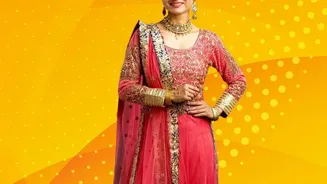
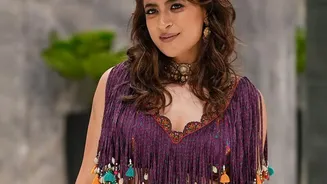
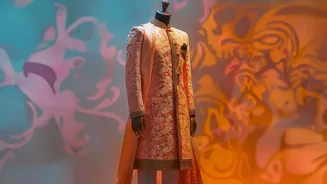
Think of traditional Indian festive wear and your mind likely conjures images of weighty lehengas, stiff sherwanis, and layers of fabric often totaling several pounds. This was the undisputed look of celebration—a visual declaration of occasion and status.
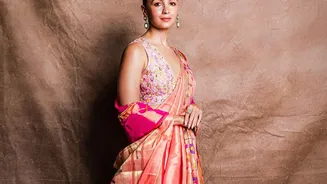
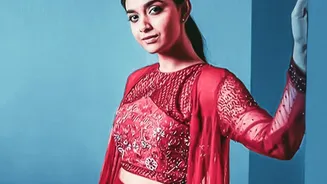
But for India's Gen Z, this heritage of heavy dressing is meeting a powerful counter-movement: the demand for comfort. For a generation that grew up in a globalized world of streetwear and athleisure, the idea of enduring physical discomfort for style feels increasingly outdated. They're asking a simple question: why can't a festive outfit feel as good as it looks? This has led to a rejection of heavy silks and restrictive cuts in favor of breathable, lightweight fabrics like organza, Chanderi silk, and mul cotton that work for India's climate, not against it.
Dressing for the 'Gram, Not an Obligation
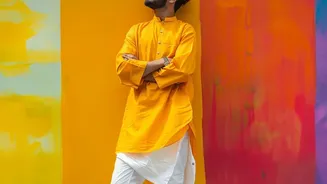
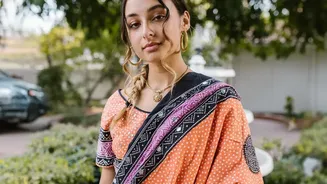
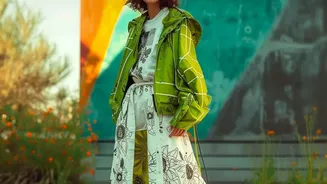
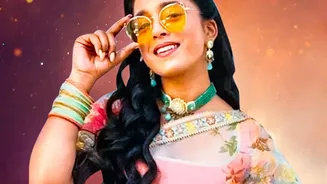
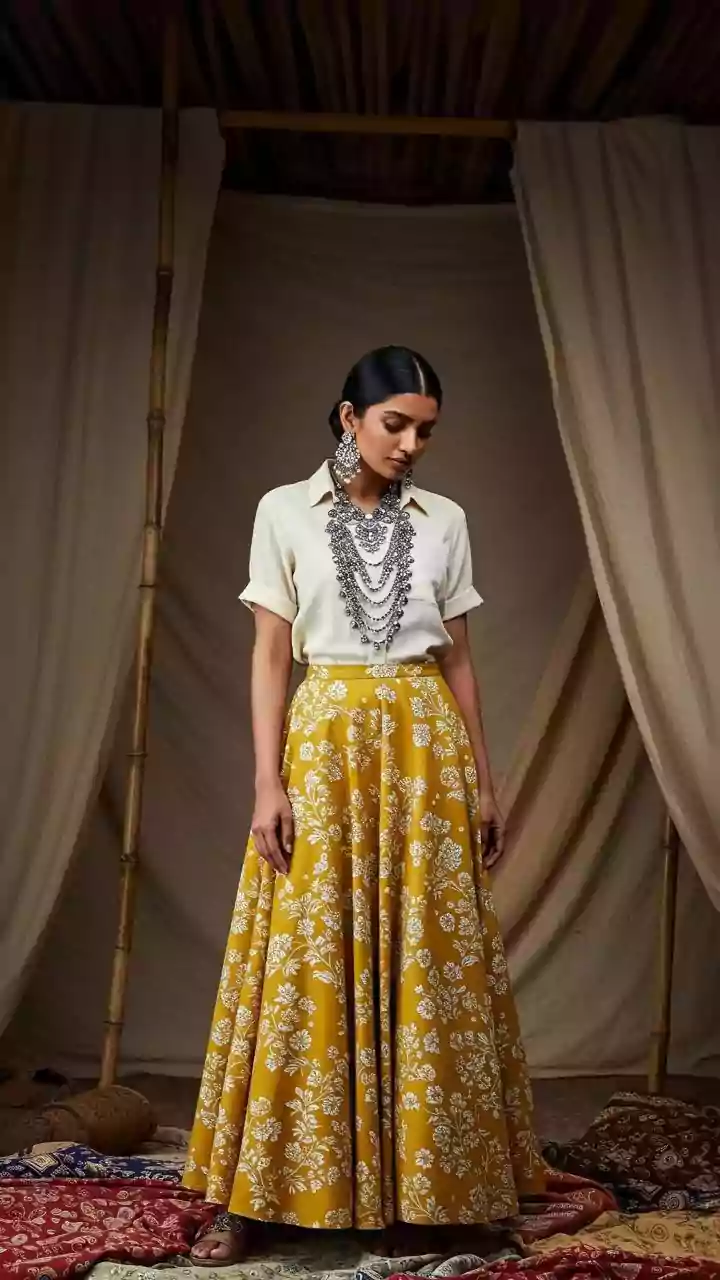
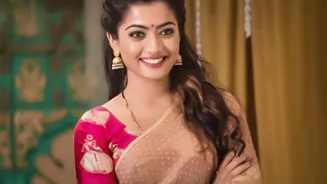
Social media has completely transformed how young Indians approach fashion. Where previous generations dressed according to family and community expectations, Gen Z curates their identity for a digital audience. This puts an unprecedented premium on individuality. The goal is no longer to fit in with a prescribed festive look but to stand out with a unique one. Influencers have shown that ethnic wear is not a costume to be worn only for weddings or religious holidays; it's a versatile part of a modern wardrobe. This has sparked a creative boom in mix-and-match styling. A traditional embroidered skirt might be paired with a simple crop top, a kurta gets thrown over jeans, and sneakers are now a common sight with sarees. It's about personal expression, not performing tradition.
A New Definition of Value
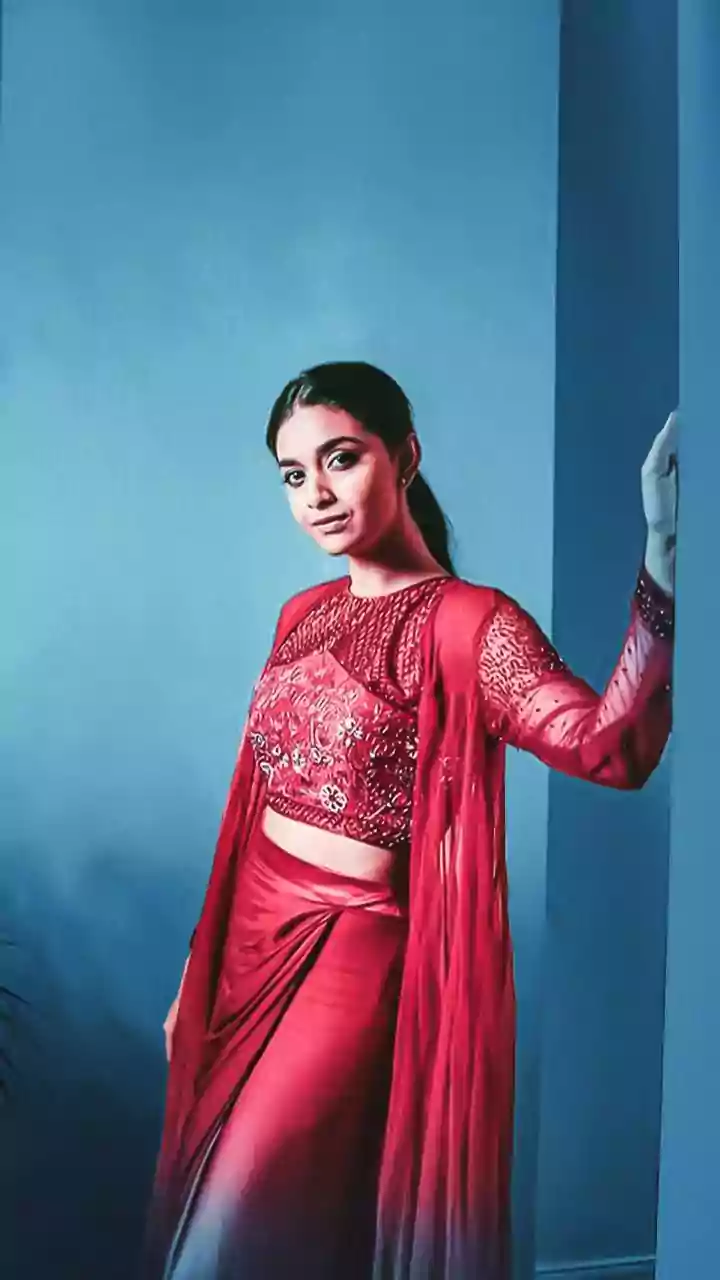
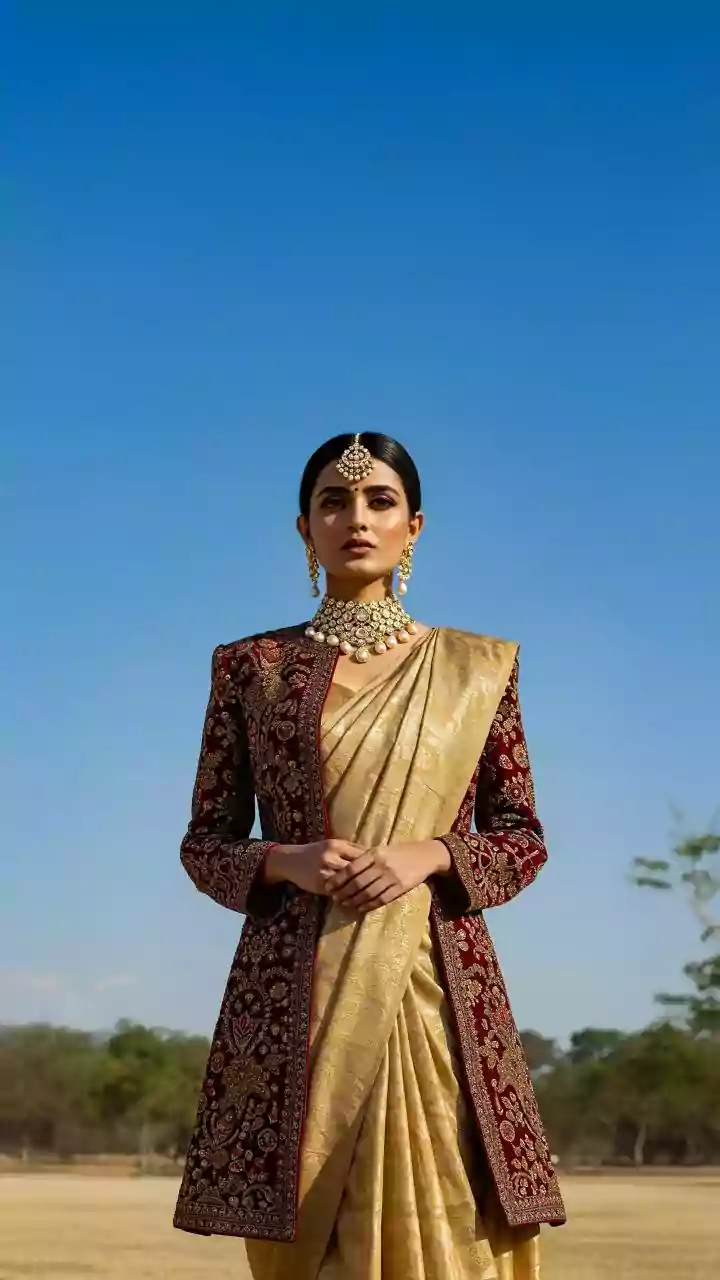
The shift isn't just aesthetic; it’s economic and values-driven. Young consumers are more conscious of practicality and sustainability. The thought of spending a significant amount of money on a heavy, elaborate outfit that will be worn only once feels wasteful to many. Instead, they are seeking out versatile separates and fusion wear—like co-ord sets, ethnic jackets, and modern Anarkali dresses—that can be restyled and worn across different occasions, from a festival to a brunch. This re-wearability is a key driver. Designers and brands are responding by creating collections that are less about one-time-use glamour and more about building a functional, stylish wardrobe. They're offering lighter, more modern silhouettes that blend Indian craftsmanship with global trends.
Comfort Is the New Confidence
Ultimately, the movement toward comfort is deeply connected to a newfound confidence. Young Indians are embracing fashion that allows them to move freely, celebrate without restriction, and feel at ease in their own skin. This isn't about laziness or a rejection of heritage; it's about claiming that heritage on their own terms. It's a declaration that their culture is a living, breathing thing that adapts and evolves with them. By choosing an outfit that prioritizes personal comfort, they are choosing authenticity over performance. For this generation, the ultimate luxury isn't the weight of the embroidery on their clothes, but the freedom and confidence they feel while wearing them.