






Know Your Unwanted Guests
The first step in prevention is knowing what you're up against. The most common pantry pests found in Indian kitchens are small beetles, weevils, and moths. These include pests like the Indian meal moth, whose larvae spin webs in grains and spices, and various
flour and rice weevils that infest staples. Most of these pests hitch a ride into your home from the grocery store, hidden in packaging. They thrive in dark, undisturbed places where food is plentiful, making your pantry an ideal breeding ground, especially in warm, humid weather which accelerates their life cycle.
The Power of an Airtight Seal
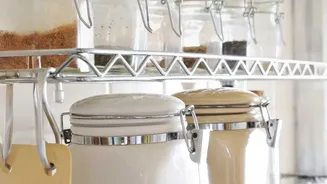
Cardboard boxes and thin plastic bags are no match for determined pests, which can chew through them or exploit tiny tears. This is where airtight containers become your single most effective weapon. Transferring items like flour, suji (semolina), rice, dals, spices, and cereals into containers made of glass or high-quality, hard plastic creates a physical barrier that pests cannot breach. This strategy does more than just block entry; it also seals in food odours that act as a homing beacon for insects and rodents, making your pantry much less attractive to them. Investing in good containers is an investment in the safety and longevity of your groceries.
An Oasis for Pests: Moisture and Crumbs
Pests need more than just access to food; they need a hospitable environment. Moisture is a major attractant for many pests, making humid pantries particularly vulnerable. Spills that aren't cleaned up, even small ones, create a reliable food source. A few stray grains of rice or a dusting of flour on a shelf might seem insignificant, but for pests, it's a feast. Forgotten packets of biscuits or old spices at the back of a cupboard become undisturbed havens for insects to lay eggs. This is why a proactive approach to cleanliness is not just about tidiness, but about actively removing the very things that invite pests in.
Your Step-by-Step Pantry Defence Plan
To establish a pest-proof pantry, start with a thorough reset. First, empty your shelves completely. Inspect every single item, especially older packages, for any sign of infestation like webbing, clumps, or live insects. Discard any contaminated food immediately in a sealed bag and take it outside. Next, vacuum all shelves, paying close attention to corners and crevices to remove hidden crumbs and eggs. Then, wipe down all surfaces with a solution of mild soap and water or a vinegar-water mix. Before you restock, wipe down the outside of all your containers. This deep clean removes existing threats and gives you a fresh start.
Smart Habits for a Pest-Free Future
Once your pantry is clean and organised, a few ongoing habits will keep it that way. Practice the 'first-in, first-out' method, bringing older items to the front to ensure they get used. When you buy new groceries, inspect the packaging for any damage before storing them. For an extra layer of natural defence, place a few bay leaves inside your containers of flour and rice; their strong scent is a natural deterrent for weevils and moths. Whole cloves and cinnamon sticks scattered on shelves can also help repel pests. Regularly sweeping the pantry floor and promptly wiping up any spills will ensure you're not accidentally leaving out a welcome mat for new intruders.