






A New Focus on Actionable Intelligence
While not a formal degree, IIT Madras's latest initiative in this domain is an intensive hands-on workshop titled “AI in Action: Climate and Energy Systems Applications,” scheduled for August 2026. This event crystallises the institute's new direction.
Organised by its AI4NetZero team, the three-day programme is designed for students, researchers, and industry professionals, focusing on the practical use of Artificial Intelligence (AI), Machine Learning (ML), and Data Science in climate research and energy systems. The goal is to move past abstract concepts and equip participants with the skills to work with real-world datasets. This signals a strategic shift from merely studying climate change to actively building the computational tools needed to manage its consequences. The workshop aims to bridge the gap between academic research and tangible solutions for India’s energy transition and climate resilience goals.
The Computational Engine Behind the Push
This practical focus is powered by deep institutional investment in data science. The Robert Bosch Centre for Data Science and Artificial Intelligence (RBC-DSAI), founded at IIT Madras in 2017, serves as the research backbone for these efforts. As one of India's most active AI research hubs, the centre delves into foundational areas like deep learning and network analytics that are critical for complex climate modelling. It's this established expertise that allows the institute to apply advanced computational methods to environmental challenges. The centre fosters an interdisciplinary environment where faculty from various departments collaborate, ensuring that AI is not developed in a vacuum but is directly applied to pressing societal problems, from healthcare to smart city development and, increasingly, climate science.
Tackling India’s Toughest Climate Questions
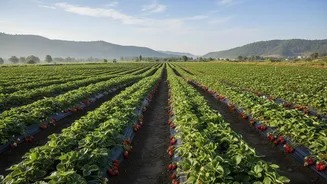
The practical questions being addressed are tangible and urgent. One key area is improving the accuracy of weather and climate forecasting. Using AI, researchers are developing models to better predict extreme events like cyclones and intense rainfall, providing crucial lead time for disaster preparedness. Another major focus is India's 7,500-kilometre coastline. IIT Madras has a dedicated Centre of Excellence that studies the impact of climate change on coastal infrastructure, using predictive models to understand the risks posed by sea-level rise and storm surges to ports, power plants, and communities. In agriculture, hybrid AI models are being developed to enhance seasonal forecasts, helping manage irrigation and mitigate risks for farmers facing erratic weather patterns. These applications turn vast climate data into localized, actionable insights that can inform policy and protect lives.
Creating a New Breed of Climate Expert
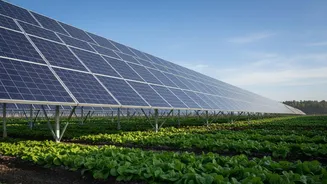
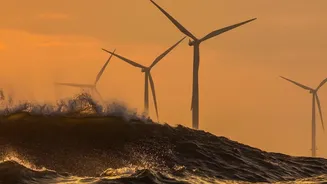
Ultimately, the goal of these initiatives is to cultivate a new generation of professionals who are bilingual, speaking the languages of both climate science and data science. The conventional approach often treats these as separate fields. However, by integrating AI and ML training directly into environmental applications, IIT Madras is fostering experts who can build and deploy technology-based solutions. Graduates and trainees will be equipped not just to analyse climate trends but to create predictive maintenance schedules for wind turbines, optimise power grids for renewable energy, and build high-resolution models for urban heatwaves. This approach creates a workforce capable of driving innovation in climate-tech startups, informing government policy with robust data, and helping industries adapt to a changing environmental landscape.