



The Unsung Nutritional Hero
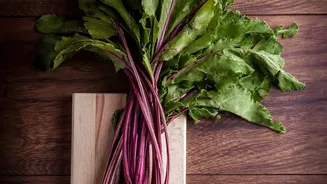
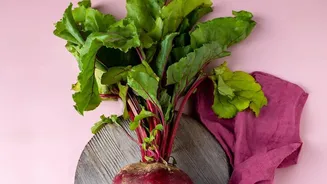
Often, the leafy tops of vegetables are dismissed, but in the case of beets, the greens are a nutritional powerhouse, in some cases even more so than the root itself. Beet greens are exceptionally rich in essential nutrients. They are loaded with vitamins
K, A, and C, and are a significant source of minerals like potassium, magnesium, iron, and manganese. In fact, beet greens contain more iron than spinach. These leaves are also low in calories, fat, and sugar, but high in fibre, making them a fantastic addition to a balanced diet. The impressive vitamin K content is crucial for bone health, while the antioxidants like beta-carotene and lutein support vision and overall cellular health.
What Do They Taste Like?
If you're new to beet greens, you might wonder about their flavour. Their taste is mild, sweet, and distinctly earthy, much like the beetroot itself but more subtle. The texture is similar to that of Swiss chard or spinach. The leaves are tender and wilt down beautifully when cooked, while the colourful stems offer a pleasant, crisp contrast, similar to the texture of chard stems. This gentle flavour profile makes them incredibly versatile and easy to incorporate into dishes where you might typically use other leafy greens.
From Market to Fridge
To get the best out of your beet greens, selection and storage are key. When buying beets, look for bunches with fresh, vibrant, and unwilted leaves attached, as this is a sign of freshness for the entire plant. The first thing you should do when you get home is separate the greens from the roots, leaving about an inch of stem on the beetroot. If left attached, the leaves will continue to draw moisture from the root, causing both to wilt faster. Wash the greens thoroughly under cold water to remove any dirt or grit. For storage, you can wrap the clean, dry greens in a paper towel and place them in a plastic bag in the refrigerator's crisper drawer, where they will keep for several days.
Simple Ideas for the Indian Kitchen
Beet greens can be seamlessly integrated into Indian cooking, often as a substitute for palak (spinach) or other familiar greens. One of the simplest methods is to prepare a thoran or poriyal. Finely chop the leaves and stems, and sauté them with mustard seeds, urad dal, curry leaves, garlic, and a generous amount of grated coconut for a classic South Indian side dish. You can also add chopped beet greens to dal, just as you would with spinach. A moong dal with beet greens is both nutritious and hearty. For a quick weeknight sabzi, stir-fry the greens with potatoes (aloo), onions, and basic spices like turmeric, coriander, and a pinch of amchur for a tangy finish. They can even be blended into a yogurt-based kootu or stuffed into parathas for a colourful and healthy meal.
A Quick Note on Oxalates
Like spinach and other leafy greens, beet greens contain naturally occurring compounds called oxalates. In high concentrations, oxalates can contribute to the formation of kidney stones in susceptible individuals and may interfere with the absorption of minerals like calcium. For most people, consuming beet greens in moderation as part of a varied diet is perfectly healthy. If you are prone to kidney stones or have been advised to follow a low-oxalate diet, it's a good idea to consume them in smaller quantities. Cooking methods like boiling or steaming can help reduce the oxalate content, as some of it leaches into the cooking water.