



Coordination is the silent hero of physical fitness, governing everything from an athlete's grace to everyday balance. But when it comes to training it, which is better: the endurance of running or the rhythm of a jump rope? Let's look closer.
Understanding Coordination in Fitness
Before comparing
jump rope and running, it's helpful to understand what coordination truly is. It isn't just about being able to pat your head and rub your stomach at the same time. In fitness, coordination is a complex neurological skill involving your brain, muscles, and senses working together harmoniously. It’s about timing, rhythm, balance, and spatial awareness. This 'sixth sense', often called proprioception, is your body's ability to perceive its own position and movement in space. Whether you're navigating an uneven trail or timing a jump perfectly, you're using this intricate system. Both running and jumping rope train this system, but they do so in remarkably different ways, targeting different aspects of motor control.
Running: The Foundation of Gross Motor Skill
Running is a fundamental human movement, and its benefits for coordination are often foundational. At its core, running develops gross motor coordination—the large muscle movements of the legs, arms, and torso working in a rhythmic, alternating pattern. It trains your body to maintain balance and stability on a single leg with every stride, which is a dynamic and challenging task. Running forces your brain and body to constantly adjust to changes in surface, incline, and pace. This builds a robust sense of proprioception, helping you react quickly to avoid a stumble or maintain an efficient gait over long distances. Think of running as building the powerful, reliable engine for coordination; it establishes the essential pathways for locomotion and endurance that many other athletic skills are built upon.
Jump Rope: A Masterclass in Rhythm and Timing
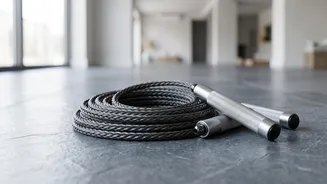
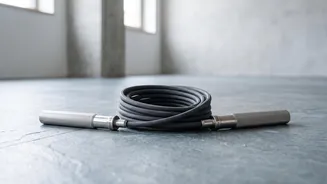
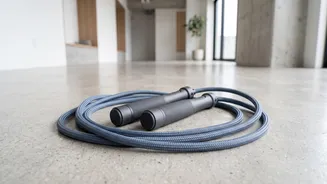
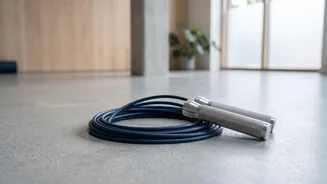
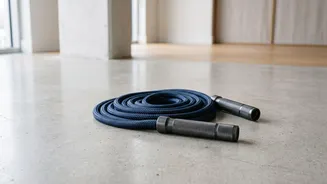
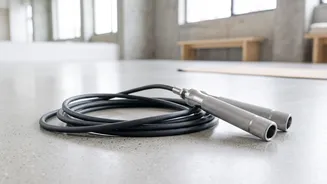
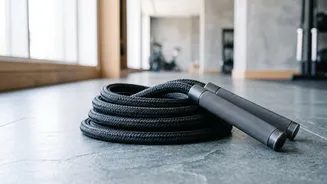
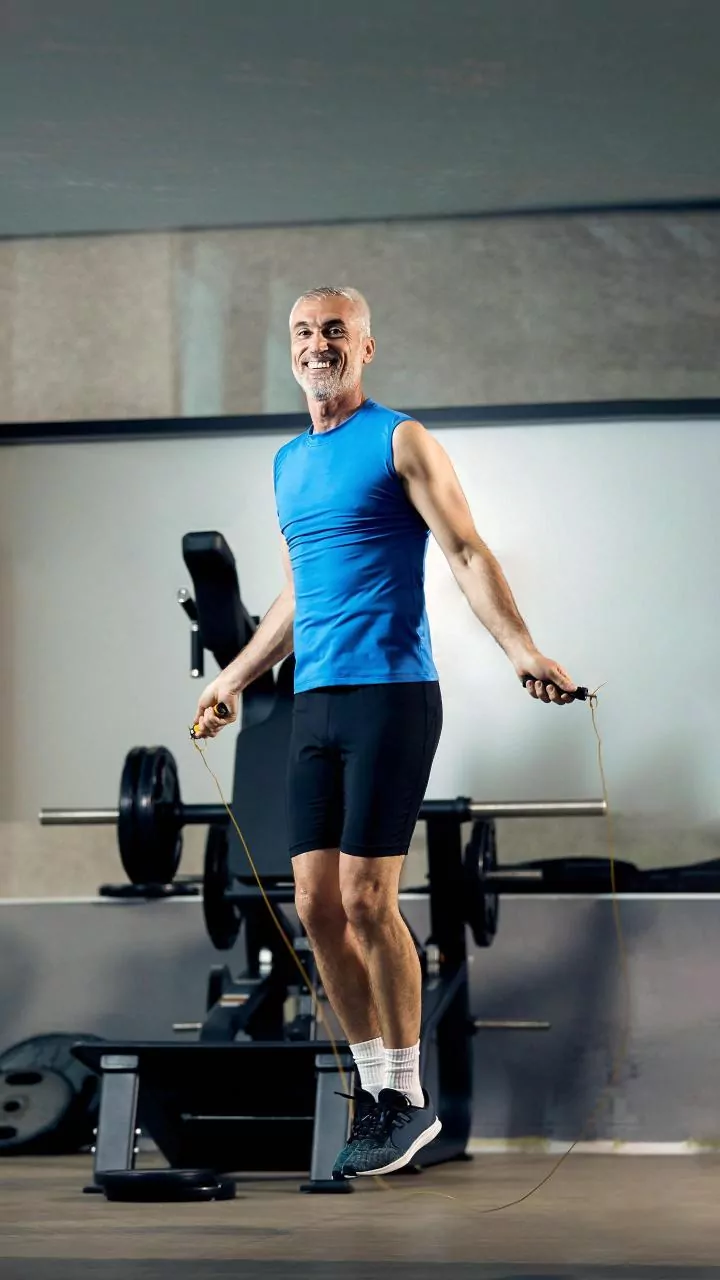
If running builds the engine, jumping rope fine-tunes the controls. Jumping rope is a masterclass in hand-eye-foot coordination. It demands a precise, repetitive rhythm where your hands, wrists, and feet must work in perfect sync. Unlike running's more natural motion, the jump rope introduces an external object that you must time your movements against, forcing your brain to process information rapidly and make instant adjustments. This develops fine motor skills, agility, and a powerful sense of timing that directly translates to better footwork and quicker reaction speeds in many sports. The repetitive, light bouncing on the midsoles of the feet also strengthens the calves and improves the elasticity of the lower leg tendons, which can reduce the risk of certain injuries and make movements more explosive.
Different Brain Training, Same Goal
The neurological demands of running and jumping rope are distinct. Running develops the brain's ability to manage steady-state, endurance-based movement and adapt to environmental feedback over time. The coordination is largely subconscious, allowing runners to be mindful of their surroundings while their bodies handle the mechanics. Jumping rope, on the other hand, requires intense focus and conscious effort, especially when learning. It strengthens neural connections related to rhythm and rapidfire motor sequencing. Mastering a new jump rope trick, like doubleunders or crossovers, literally builds new pathways in your brain, enhancing its ability to learn complex motor patterns. Both activities stimulate the brain, but they challenge it in different ways—one for sustained control and the other for intricate highspeed precision.
Better Together : The Synergy of Two Skills
The most effective approach isn't to choose one over the other , but to understand how they complement each other . Many elite athletes use both for this very reason . Runners incorporate jumping rope into their training to improve their foot speed , cadence , and lowerleg resilience , leading to a more efficient and powerful stride . The quick , light jumps train a faster ground contact time , which is key for speed . Conversely , athletes who rely on agility and footwork , like boxers , use running to build the cardiovascular endurance needed to sustain highintensity jump rope sessions and long bouts in the ring . Running provides the aerobic base , while jumping rope adds the layer of sharp , explosive coordination . Together , they create a more wellrounded , capable , and injuryresistant athlete .