





The Griddle: A Northern Tradition
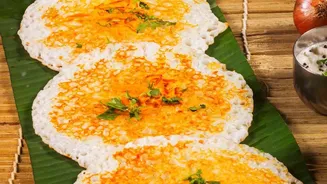
In the northern states of India, breakfast is often a hearty, robust meal, and the undisputed king of the kitchen is the tawa, or flat griddle. This simple disc of metal is central to creating some of the region's most beloved morning staples, particularly
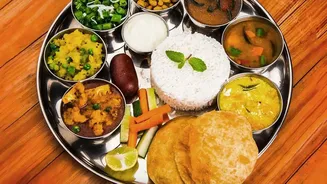
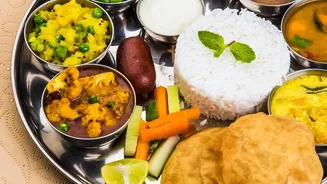
the paratha. Originating from the wheat-growing belt, the paratha is a layered flatbread that can be served plain or stuffed with an array of fillings like spiced potatoes (aloo paratha), cauliflower (gobi paratha), or cottage cheese (paneer paratha). Cooked on the tawa with a dollop of ghee or oil until golden and crisp, it's a dish that embodies comfort and satisfaction. Served alongside yogurt, pickles, or a dollop of white butter, the paratha is more than just food; it's a cultural icon, synonymous with leisurely Sunday mornings and the warmth of a family kitchen. The griddle’s ability to provide consistent, even heat makes it perfect for cooking these breads, creating a delightful texture that is soft on the inside with a slightly crunchy exterior.
The Steamer: A Southern & Western Staple
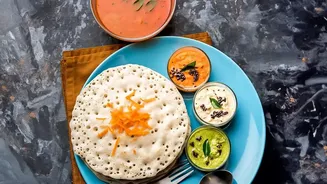
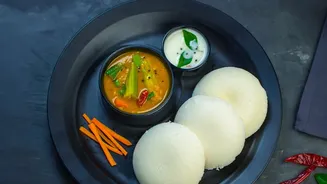
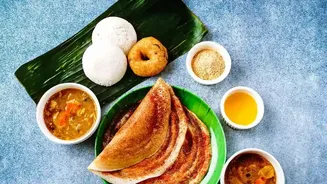
Travel south or west, and the breakfast landscape transforms. Here, the steamer takes centre stage, producing light, healthy, and easily digestible dishes. In South India, the quintessential steamed breakfast is the idli—a soft, fluffy cake made from a fermented batter of rice and lentils. The fermentation process not only makes the idlis light but also enhances their nutritional value. Served with sambar and coconut chutney, it's a breakfast that provides sustained energy without feeling heavy. Another steamed marvel from the south is puttu, a cylindrical dish from Kerala made with layers of ground rice and coconut. Meanwhile, in the western state of Gujarat, the steamer is used to create dhokla, a savoury sponge cake made from a fermented batter of gram flour (besan). It's spongy, tangy, and light, typically finished with a tempering of mustard seeds, curry leaves, and green chillies. Both idli and dhokla showcase how steaming is the ideal method for cooking fermented batters, allowing them to rise and set into delicate, airy textures.
The Pan: An All-India Workhorse
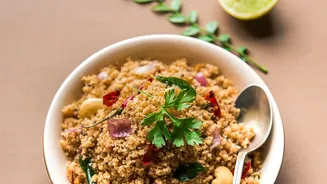
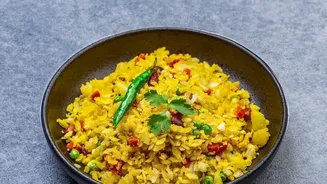
The versatile pan, especially the deep, curved kadhai, is a fixture in kitchens across India, used for sautéing, shallow-frying, and finishing a vast array of breakfast dishes. One of the most popular pan-based breakfasts is poha, made from flattened rice. Especially popular in Maharashtra, Gujarat, and Madhya Pradesh, poha is quick to prepare, light, and nutritious. The flattened rice is briefly soaked and then tossed in a pan with mustard seeds, turmeric, onions, and often peanuts, creating a flavourful and satisfying meal in minutes. Another pan favourite is upma, a thick porridge made from dry-roasted semolina (rava or sooji). Vegetables and spices are sautéed in the pan before the semolina and hot water are added, resulting in a savory and filling dish. The pan is also essential for creating crispy, savoury vadas (fried lentil doughnuts) and egg bhurji (spicy scrambled eggs), showcasing its role as a multi-purpose tool for quick and flavourful morning meals that are enjoyed nationwide.