
Understanding the Global Food Stage
First, what exactly is TasteAtlas? Think of it as a world atlas for food lovers. Founded in 2018, the Croatia-based guide aims to catalogue and preserve traditional recipes from around the globe. Unlike guides that focus on elite fine-dining, TasteAtlas shines
a light on the authentic, local dishes that define a culture. Its rankings are generated from tens of thousands of user ratings from across the world. The system uses mechanisms to identify and filter out biased or nationalist voting, giving more weight to the ratings of users the system recognizes as knowledgeable. For food enthusiasts, its annual list of the world's best cuisines is a major event that sparks conversation and inspires culinary travel.
India's Impressive Standing
In the most recent listings for 2025/2026, Indian cuisine was ranked 13th in the world with a strong score of 4.43 out of 5. While this is a slight dip from previous years, it remains a powerful statement on the world stage, placing India ahead of many culinary heavyweights. The rankings are compiled by averaging the ratings for a country's most popular dishes and food products. The list was topped by Italy and Greece, but India's consistent presence in the upper echelons signals a deep and sustained global appreciation that goes far beyond fleeting trends. It's a testament to the fact that the world is looking beyond stereotypes and embracing the true depth of Indian flavours.
The Stars of the Show
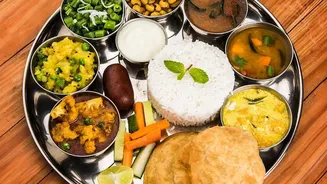
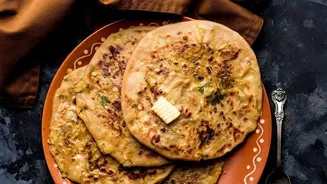
So, which dishes propelled India to this high score? The answers are both familiar and wonderfully specific. Breads, in particular, received immense love, with Butter Garlic Naan and Amritsari Kulcha often ranking as some of the best breads in the world. Classics like Murgh Makhani (Butter Chicken) and Hyderabadi Biryani were also celebrated, securing high individual ratings. But the appreciation doesn't stop there. Dishes like Masala Dosa, Chole Bhature, Keema, and even the foundational spice mix Garam Masala were highlighted as must-try items, showcasing a growing global understanding of India's diverse culinary offerings. These ratings prove that the world loves not just one type of Indian food, but the full spectrum of its tastes and textures.
A Continent of Flavours
The true strength of Indian cuisine, and the reason for its high ranking, lies in its staggering regional diversity. It is not one cuisine, but a collection of countless distinct culinary traditions. From the robust, tandoori-spiced dishes of Punjab to the layered, flaky Parottas of Kerala, every region offers a unique gastronomic world. Think of the delicate, mustard-infused flavours of Bengal, the fiery curries of Rajasthan, the coconut-rich preparations of the southern coast, and the subtle, aromatic dishes of the Northeast. Each state and community has its own heirloom recipes, signature spice blends, and cooking techniques passed down through generations. This ranking isn't just for a handful of famous dishes; it's a nod to the millions of home cooks and local chefs who keep this vast and varied food culture alive every single day.
More Than Just a Meal
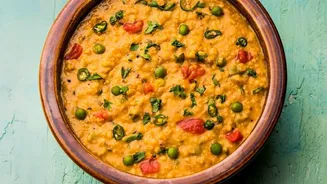
Beyond the flavours, what this TasteAtlas score truly honors is the culture embedded in our food. Indian food is about community, tradition, and the art of combining spices. It’s the comfort of a simple Dal Tadka, the joy of sharing Chaat on a busy street, and the celebratory grandeur of a Dum-style Biryani. The guide also recognizes this by listing iconic traditional restaurants, from institutions in New Delhi and Mumbai to historic eateries in Darjeeling. This global acknowledgment validates what we have always known: that our food is an experience, a story, and a vital part of our identity. It’s a source of national pride and a delicious invitation to the rest of the world to explore our heritage, one bite at a time.