







What Exactly Is Okra Water?
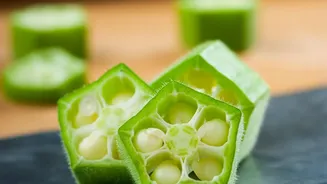
The trend is as simple as it sounds. It involves slicing up a few pods of fresh okra (also known as bhindi or lady's fingers), soaking them in water overnight, and then drinking the liquid the next day. The process leaches a gel-like substance from the okra,
known as mucilage, into the water, giving it a distinct, slippery texture. Proponents on social media claim this liquid is packed with nutrients that can transform your health and appearance. The preparation is straightforward, and its natural, home-remedy appeal has helped it gain viral traction.
The Viral Claims: A Cure-All in a Glass?
Advocates for okra water make a wide array of impressive claims. The most popular ones center on beauty, suggesting it leads to clearer, glowing skin, and can even reduce acne and signs of aging. Beyond aesthetics, it's also promoted for aiding digestion, regulating blood sugar levels, boosting the immune system, and assisting with weight loss. The visual evidence on platforms like TikTok is compelling, with users showcasing seemingly dramatic results, contributing to its rapid rise in popularity.
The Science of Okra Itself
Before diving into the water, it's helpful to look at the vegetable. Okra is undeniably nutritious. It's a great source of vitamins C and K, as well as minerals like magnesium and folate. It is also packed with fiber and antioxidants like polyphenols. These components are known to support immune function, contribute to skin health, aid digestion, and help fight inflammation in the body. The established health benefits of eating the whole vegetable are not in dispute; it's a valuable addition to any balanced diet.
The Evidence Gap: Hype vs. Reality
Here's where the headline's caution comes in. While okra is healthy, there is currently very little to no scientific research on okra water specifically. Experts point out that most of the benefits being attributed to the drink are anecdotal, coming from social media users rather than clinical trials. It is unclear how many of the vegetable's nutrients, like vitamins and fiber, actually transfer into the water during the soaking process. Many dermatologists and dietitians note that you lose out on the beneficial insoluble fiber from the pod walls and seeds by just drinking the water. In short, the dramatic claims for okra water are not yet supported by solid scientific evidence.
Are There Any Risks?
For most healthy individuals, drinking okra water is likely low-risk. However, it's not without potential downsides. Okra is high in fructans, a type of carbohydrate that can cause digestive issues like gas and bloating for some people, especially those with irritable bowel syndrome. It's also high in oxalates, which could contribute to kidney stones in susceptible individuals. Furthermore, people on blood thinners should be cautious due to okra's high vitamin K content, which plays a role in blood clotting. As with any health trend, it’s not a one-size-fits-all solution.
The Final Verdict: Sip or Skip?
Drinking okra water is likely a harmless (if slimy) way to hydrate for most people, but it's not the magical cure-all it's often portrayed to be. The impressive health benefits associated with okra come from consuming the entire vegetable, which provides a full spectrum of fiber, vitamins, and minerals. While you might get some soluble fiber and trace nutrients from the water, the most reliable way to reap okra's rewards is to add it to your plate in a curry, soup, or stir-fry. Think of okra water as a supplement that has outpaced its research, not a proven remedy.