

A Source of Antioxidants
It's true that pure maple syrup contains beneficial compounds not found in refined white sugar. Research has identified dozens of different antioxidant compounds, known as polyphenols, in maple syrup. These are the same types of protective compounds found in berries,
tea, and other plant-based foods. Antioxidants help protect our bodies from damage caused by unstable molecules called free radicals, which are linked to inflammation and chronic diseases. Studies show that darker, Grade B maple syrups tend to have a higher concentration of these beneficial compounds than lighter syrups. In addition to antioxidants, maple syrup provides essential minerals. A single tablespoon contains a significant amount of manganese, which is crucial for bone health and metabolism, along with smaller amounts of zinc, calcium, and potassium.
The Murky Cholesterol Connection
The connection between maple syrup and cholesterol is less clear-cut and is where the headline's caution becomes important. Some initial research, primarily conducted on animals, has suggested a potential benefit. In a study on mice, a polyphenol-rich extract from maple syrup was found to lower LDL (often called 'bad') cholesterol levels. Another study on overweight adults found that replacing a portion of daily sugar with maple syrup led to improvements in some cardiometabolic risk factors, such as blood pressure and abdominal fat, which are related to cholesterol management. However, these findings are preliminary. The effect seen in animal studies does not always translate to humans, and the human studies are limited. Experts agree that much more research is needed before we can reliably say that maple syrup helps lower cholesterol in people.
Sugar by Any Other Name
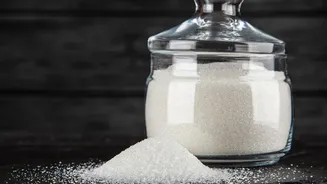
Despite its antioxidant and mineral content, it is crucial to remember that maple syrup is, at its core, a sugar. It is primarily composed of sucrose, and a single tablespoon packs around 12 grams of sugar and 52 calories. While it has a slightly lower glycemic index than table sugar (54 compared to 65), meaning it raises blood sugar a bit more slowly, it will still cause a spike. This is an important consideration for anyone, but especially for individuals managing diabetes or prediabetes. The small amounts of nutrients it offers do not negate the fact that it is a high-sugar food. Health professionals advise that you cannot rely on maple syrup as a meaningful source of vitamins or minerals; you would have to consume an unhealthy amount of it to get significant benefits. The consensus is clear: maple syrup should be consumed in moderation, just like any other sweetener.
How It Stacks Up
When choosing a sweetener, context is key. Compared to white sugar or high-fructose corn syrup, which offer calories but virtually no nutrients, pure maple syrup is a better choice. It provides trace minerals and that antioxidant cocktail, making it a more nutrient-dense option than refined sugars. When compared to honey, another popular natural sweetener, the two are quite similar. Both contain antioxidants and have comparable glycemic index scores, though they vary slightly in their specific mineral and vitamin content. Agave nectar has a lower glycemic index, but it is also highly processed and very high in fructose. The takeaway is that if you are going to use a liquid sweetener, pure maple syrup is one of the better natural options available, but it isn't a free pass to indulge without limit.