
A Celebration of Diversity
India's culinary landscape is as vast and varied as its geography. From the robust, tandoori-spiced dishes of the North to the coconut-laced curries of the South, each region has a distinct culinary identity. A menu that pulls from different states is more
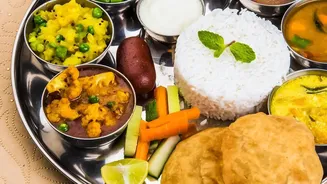
than just a meal; it's a story. It becomes a conversation starter, a vibrant mosaic of flavours, textures, and histories that celebrates the very essence of India. The traditional Indian 'thali' is built on this philosophy of balance and variety, ensuring a complete and satisfying experience by including multiple small dishes. By applying this concept to a multi-course meal, you create a dynamic feast that keeps your guests engaged and delighted from the first bite to the last.
Starters: An All-India Welcome
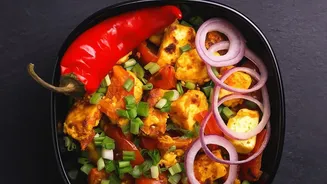
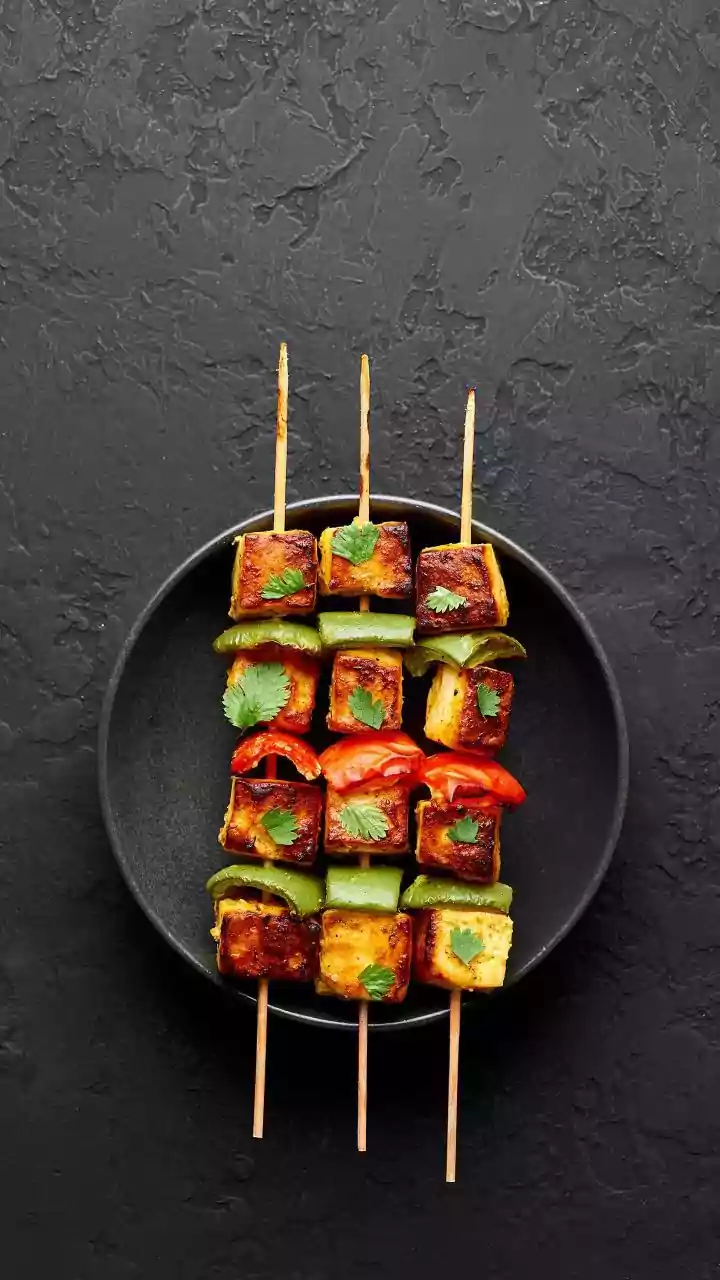
The opening act of your meal should offer a tantalising glimpse of what's to come. This is the perfect place to showcase the incredible variety of Indian snacks. You could begin in the North with Paneer Tikka, featuring cubes of soft cheese marinated in spiced yogurt and grilled to perfection. Travel west to Gujarat for some light, spongy Dhokla, a steamed cake made from fermented chickpea flour. Then, head South for a plate of crispy, savoury Vada, a lentil doughnut that is a staple in the region. These starters offer contrasting textures and flavours—smoky, tangy, and savoury—providing a delicious and representative welcome from across the subcontinent.
Main Courses: The Heart of the Journey
For the main event, the key is balance. You want dishes that complement each other without clashing. A successful pan-Indian main course spread might feature one rich, creamy curry and another that is lighter and tangier. Consider pairing a classic Punjabi Butter Chicken or Paneer Makhani with its rich tomato and cream gravy with a coastal delicacy like a Goan Fish Curry, which uses coconut milk and tamarind for a lighter, sourer profile. To accompany these, a dry vegetable dish from yet another region works wonders. A Keralan Thoran, made with finely chopped vegetables, coconut, and mild spices, provides a fresh, crunchy counterpoint to the richer curries. This approach ensures that there's something for every palate and that the dishes enhance one another.
Accompaniments: The Unsung Heroes
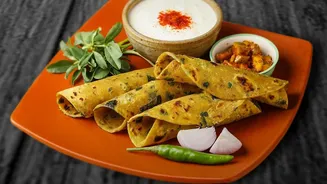
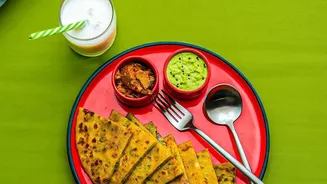
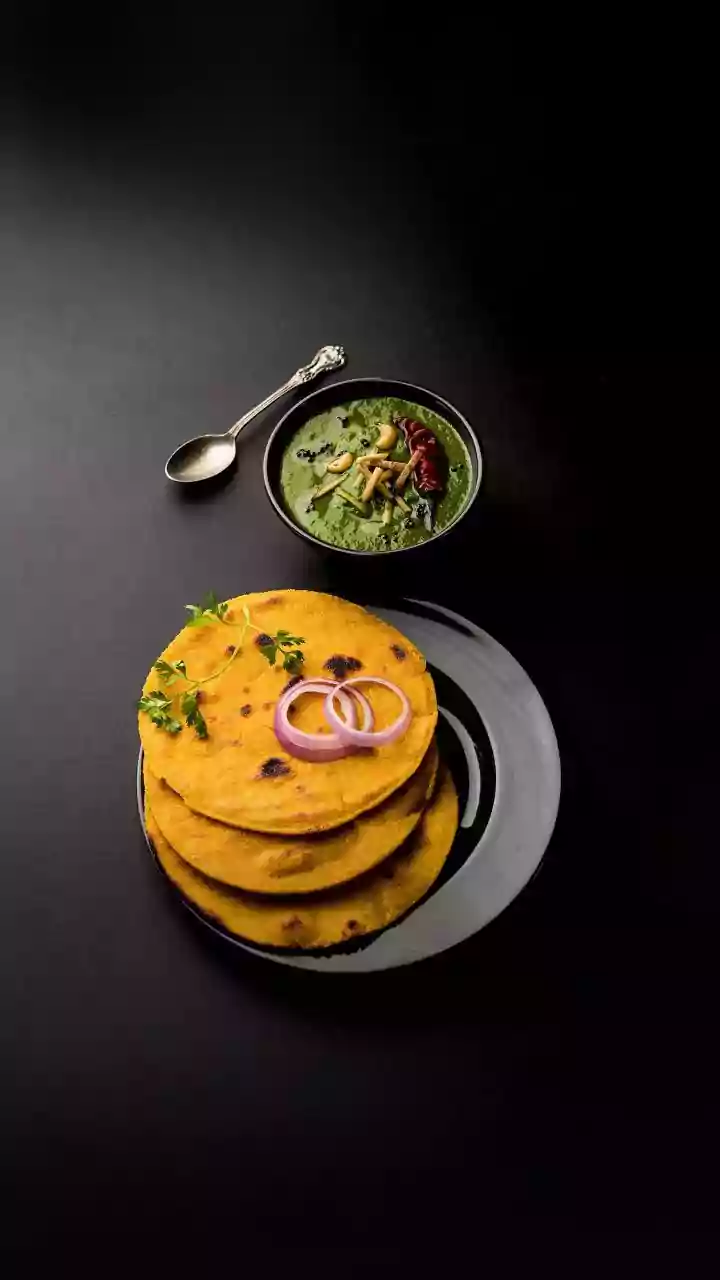
No Indian meal is complete without breads and rice, and here too, you can continue your culinary tour. Instead of a standard naan or basmati rice, explore regional specialities. A flaky Malabar Parotta from Kerala is perfect for soaking up gravies. A fragrant Kashmiri Pulao, jewelled with fruits and nuts, adds a touch of sweetness and festivity. Don't forget the condiments. A cooling cucumber raita offers a refreshing contrast to spicy dishes, while a tangy pickle can elevate the entire meal. These supporting players are crucial for creating a balanced and harmonious dining experience.
Desserts: A Sweet Finale from East to West
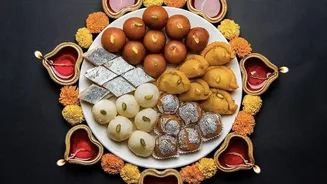
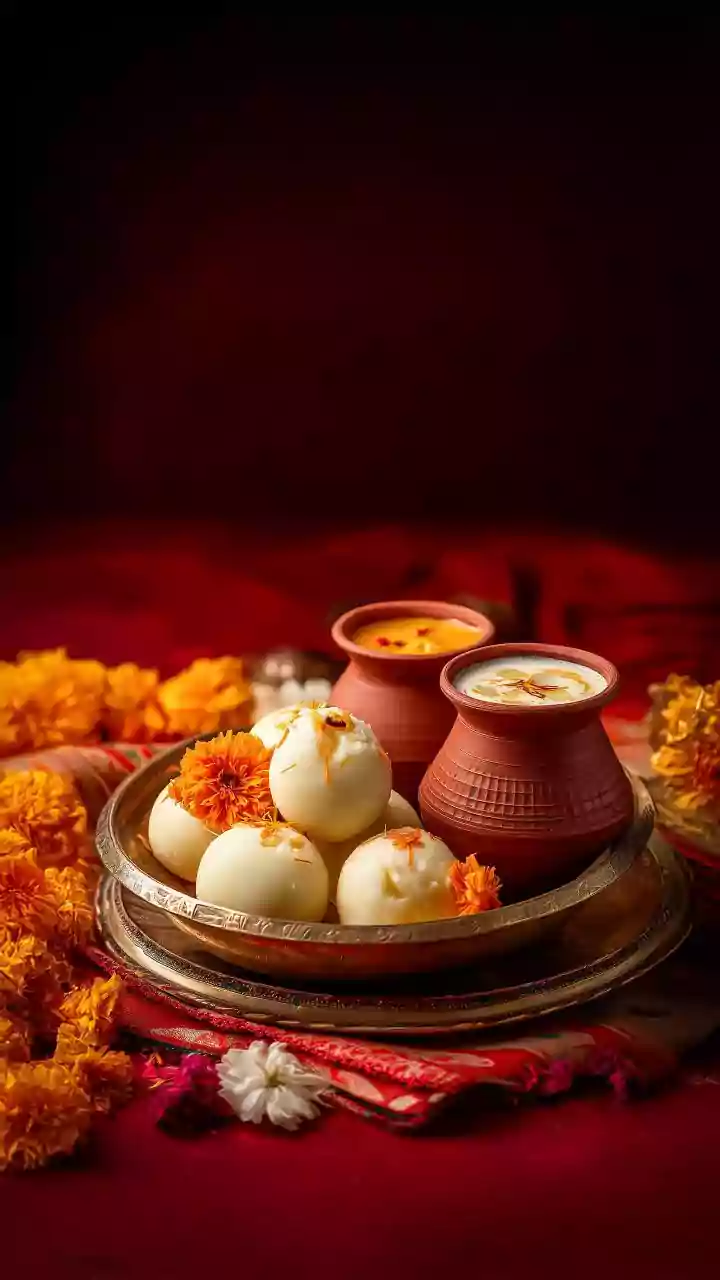
For the final course, journey to the eastern and western corners of India for some truly unique sweets, or 'mithai'. From West Bengal in the East, you could serve Mishti Doi, a sweetened, caramelised yogurt that is fermented to a thick, creamy consistency. It is subtly sweet and refreshingly light after a hearty meal. As a contrast, offer Shahi Tukda, a rich Mughlai bread pudding from Hyderabad, where fried bread slices are soaked in sweetened milk, rabri, and garnished with nuts and cardamom. Another excellent option could be Rajasthan's Malai Ghewar, a disc-shaped flour cake soaked in syrup and topped with 'malai' (clotted cream). Offering two distinct desserts ensures a memorable and indulgent end to your pan-Indian feast.