





The Myth of the Magic Bullet Bowl
We've all seen them: beautifully arranged breakfast bowls on social media, tagged with promises of 'debloating' and 'perfect gut health'. It's a tempting idea—that a single, perfect combination of oats, seeds, and fruit can solve our digestive woes. However,
this simplifies a very complex process. Digestion isn't just about what you eat; it's about how your unique body processes it. What works wonders for one person might cause discomfort for another. Frequent bloating, gas, or other issues after a supposedly 'healthy' breakfast is a common sign that your body isn't agreeing with one or more of the ingredients. The wellness world is full of conflicting advice, but the one constant in digestive health is individuality.
Your Gut Is as Unique as Your Fingerprint
Your gut is home to trillions of microorganisms known as the microbiome, which is unique to you. This internal ecosystem plays a massive role not only in breaking down food but also in supporting your immune system and even influencing your mood. Factors like genetics, stress levels, sleep quality, and previous antibiotic use all shape your microbiome. This is why there's no universal 'gut-healthy' diet. Some people may feel great after eating oats, while others find they feel better with a grain-free option. Lactose intolerance, for example, is a common reason dairy products like milk or certain yogurts can cause bloating and gas for some individuals. The goal is to move away from rigid recipes and toward a flexible framework that allows you to listen to your body's specific signals.
Building Block 1: The Fiber Foundation
Fiber is crucial for a healthy digestive system, but not all fiber is the same. It is a key component for feeling full and maintaining regularity. Great sources for a breakfast bowl include oats, chia seeds, ground flaxseeds, berries, and whole grains. However, a sudden increase in fiber can lead to bloating and discomfort, especially if your body isn't used to it. It's wise to increase your fiber intake gradually and ensure you are drinking plenty of water, as fiber needs fluid to work effectively. If you find yourself feeling bloated after a high-fiber breakfast, it might be due to specific types of fiber, like the fructans in wheat, or from piling on too much too soon. Start with a smaller portion and see how you feel.
Building Block 2: The Probiotic Power-Up
Probiotics are beneficial live bacteria that help maintain balance in your gut microbiome. Adding a source of probiotics to your morning bowl is an excellent way to support digestive health. The most common and accessible source is yogurt with live and active cultures. Look for labels that mention 'live cultures' or specific strains like Bifidobacteria and Lactobacilli. Other fermented foods like kefir can also be used as a base for a smoothie bowl. For a dairy-free option, some plant-based yogurts are now fortified with probiotics. You can also get creative and top a savory bowl with a spoonful of kimchi or sauerkraut for a probiotic kick.
Building Block 3: Toppings That Work for You
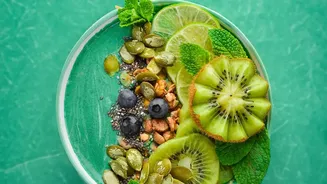
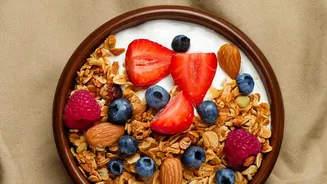
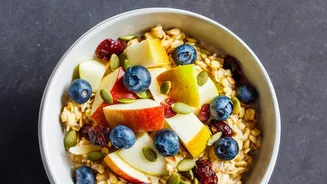
Toppings are where you can truly personalize your bowl. For healthy fats and added fiber, nuts and seeds like almonds, walnuts, chia seeds, or ground flax are excellent choices. Fruits like berries or diced pear add natural sweetness and even more fiber. However, be mindful of common irritants. Many commercial granolas, for example, are loaded with added sugars and oils that can cause digestive upset. Similarly, some artificial sweeteners found in protein bars or 'sugar-free' products can lead to bloating in sensitive individuals. The best approach is to add one or two toppings at a time and pay attention to how your body responds over the next few hours.