



A Legacy Built on V8 Power
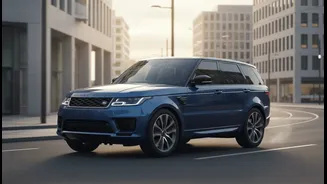
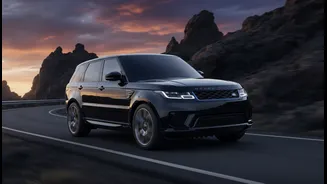
The Range Rover Sport has always been Land Rover's answer to the high-performance luxury SUV. It carved out a unique space by blending the brand's legendary off-road prowess with on-road dynamics that could challenge sports sedans. At the heart of this
identity, particularly in top-tier models like the SVR, was a powerful V8 engine. These vehicles were celebrated for their character, defined by a visceral soundtrack and immense power, creating a loyal following in India and around the world. For many enthusiasts, the V8 wasn't just an engine; it was the soul of the machine. This heritage sets a high bar for any successor, especially one that swaps combustion for electrons.
Enter the Electric Successor
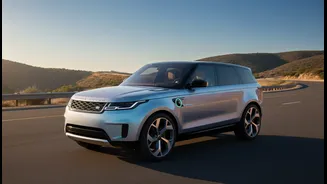
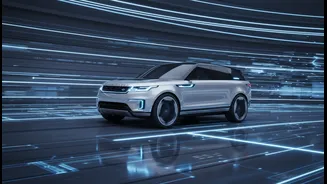
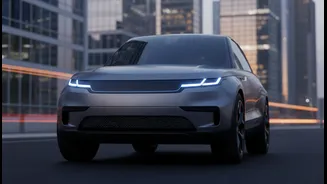
Land Rover has officially confirmed that its second all-electric vehicle will be the Range Rover Sport Electric, set to arrive later in 2026. This isn't just an existing model with its engine swapped out; it's a ground-up integration built on the flexible Modular Longitudinal Architecture (MLA) platform, which was designed from the start to accommodate electric powertrains. While Land Rover remains committed to offering a range of powertrains, including petrol, diesel, and plug-in hybrids, the fully electric model represents the future. The new model will feature a dual-motor setup, providing all-wheel drive and a significant power output. Initial reports confirm variants with up to 542 horsepower and a massive 850 Nm of torque, promising blistering acceleration.
Performance, Reimagined by Electrons
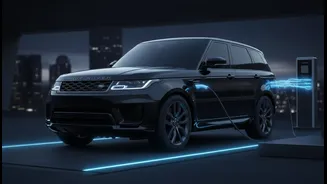
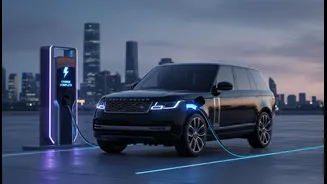
The headline figure of 542 hp places the Sport Electric firmly in high-performance territory. For comparison, the plug-in hybrid P550e model also produces 542 hp, while the revered V8 in the SV model makes 626 hp. However, the electric version delivers its 850 Nm of torque instantly, a characteristic of EVs that promises a different kind of performance feel. This translates to effortless, immediate acceleration that could make the electric model feel more responsive in daily driving than its combustion-powered siblings. The vehicle is built on an 800-volt architecture, allowing for ultra-fast DC charging at speeds up to 350 kW, which significantly reduces charging times for its large 118.5 kWh battery.
More Than Just Straight-Line Speed
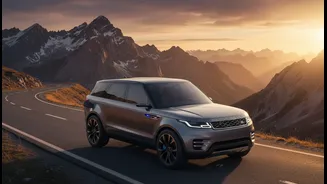
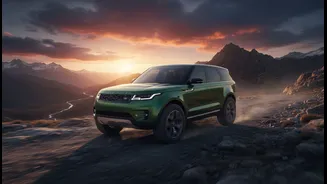
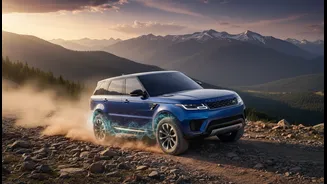
A Range Rover Sport must do more than just go fast in a straight line. It has to handle corners with composure and conquer challenging terrain. To manage its weight and deliver on handling promises, the Sport Electric will use advanced chassis technology, including a twin-chamber air suspension adapted from the current Sport. The battery pack's placement provides a lower centre of gravity than any other Range Rover, which should improve cornering stability. And its off-road credentials remain a priority. The electric motors offer incredibly precise control over power delivery, which is a major advantage on difficult surfaces, and Land Rover has even introduced a one-pedal driving mode specifically for off-road use. Despite some minor compromises in ground clearance compared to the ICE models, its capability is expected to be class-leading.
The Challenge of an Electric Icon
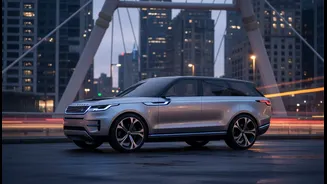
Transitioning such an iconic model to electric power is not without challenges. The design remains largely familiar, with subtle tweaks like a sealed grille to distinguish it as an EV, a deliberate choice to reassure existing customers. The company also knows it must convince purists who cherish the sound and feel of a V8. To that end, engineers are developing a specific audio system to give the electric driving experience more character. The vehicle, privately previewed at the Goodwood Festival of Speed, demonstrated its capabilities, but the ultimate test will be winning over a market that is becoming increasingly competitive with rivals like the Porsche Cayenne Electric and BMW iX5 on the horizon.