


A Journey Through the Clouds
The Darjeeling Himalayan Railway (DHR), affectionately known as the 'Toy Train', is more than just a mode of transport; it's a living piece of history. Since its inception in 1881, this narrow-gauge railway has navigated the winding, steep inclines from
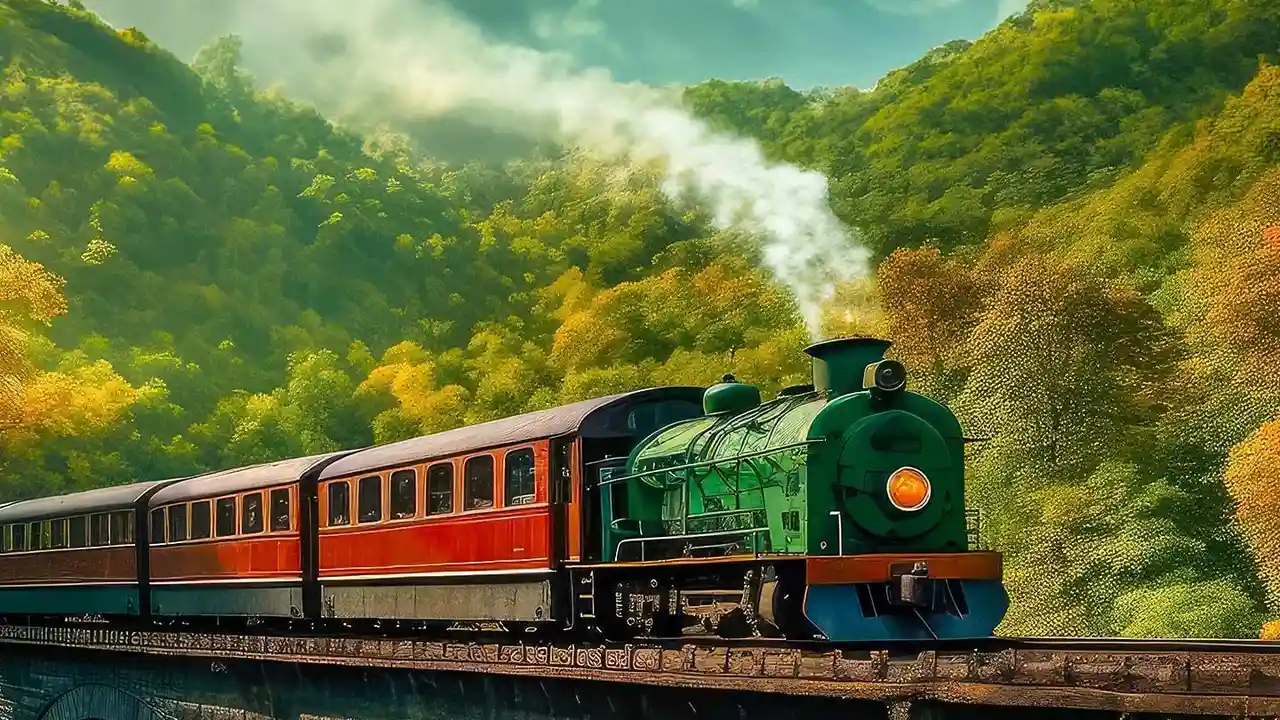
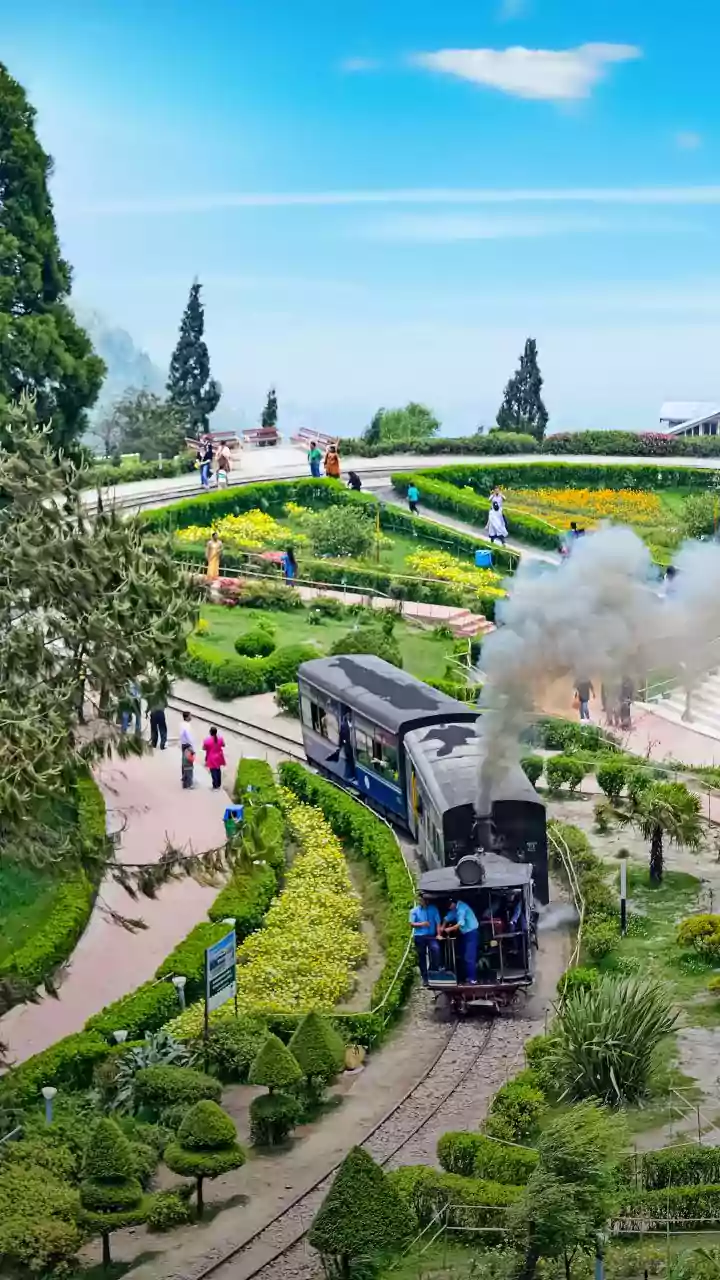
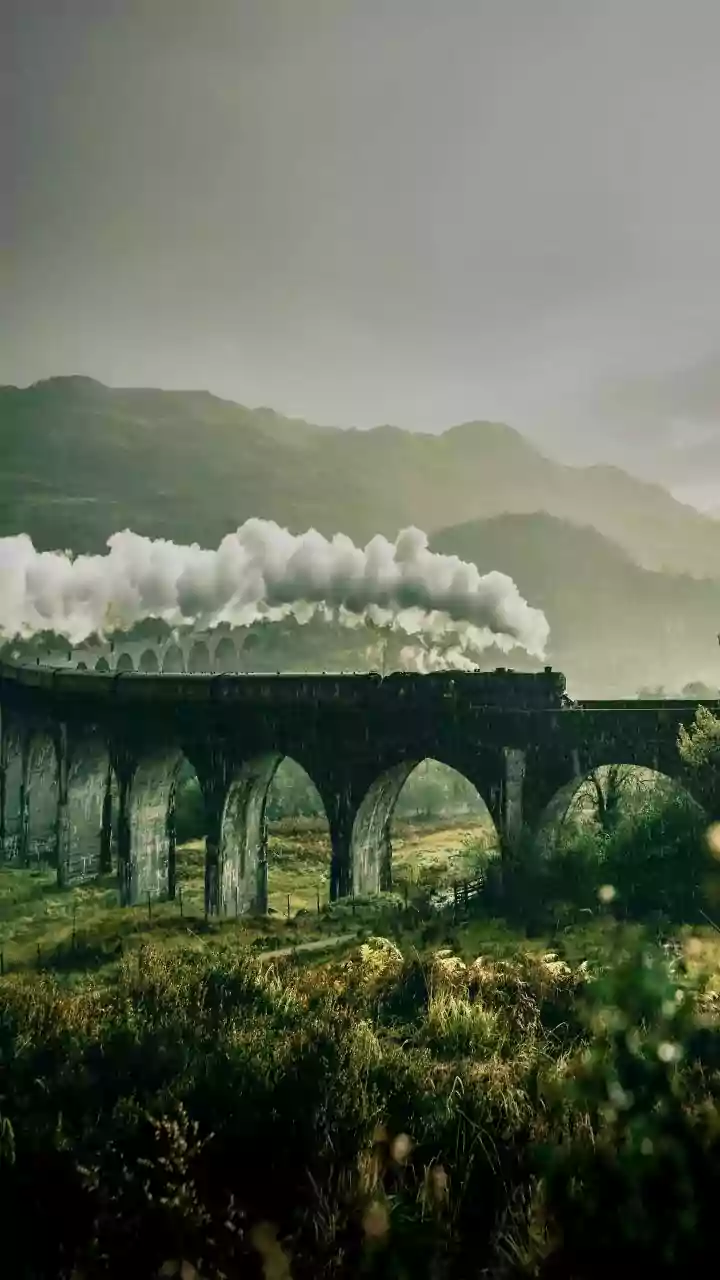
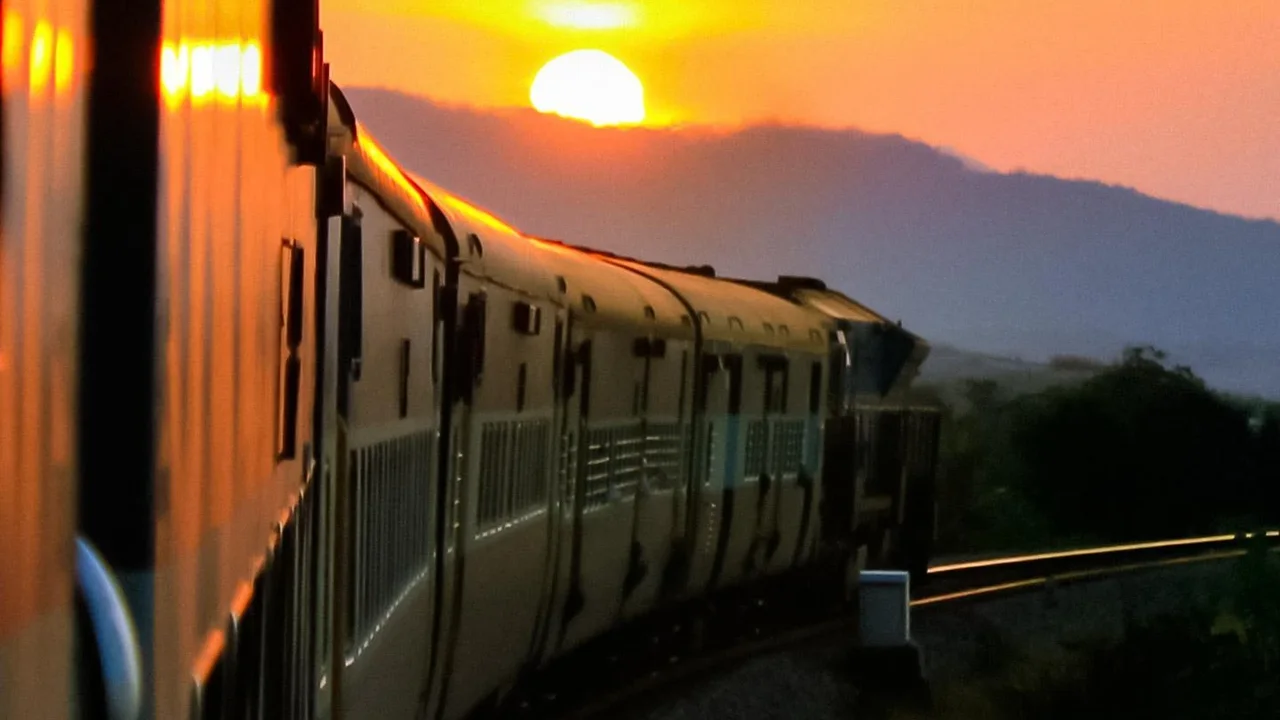
the plains of West Bengal to the hill station of Darjeeling. Recognised as a UNESCO World Heritage Site, the railway is an engineering marvel, using a series of ingenious loops and zig-zags to gain altitude. The journey is famously slow, allowing passengers to soak in the breathtaking scenery, from dense pine forests and vibrant villages to sprawling tea estates that carpet the hillsides. The train passes so close to local life that you can see into shops and wave to children on the street, making the ride an intimate cultural experience. For many, the classic choice is the steam-hauled engine, which offers an authentic heritage experience complete with puffs of smoke and the iconic whistle echoing through the valleys.
The Grand Prize: Kanchenjunga
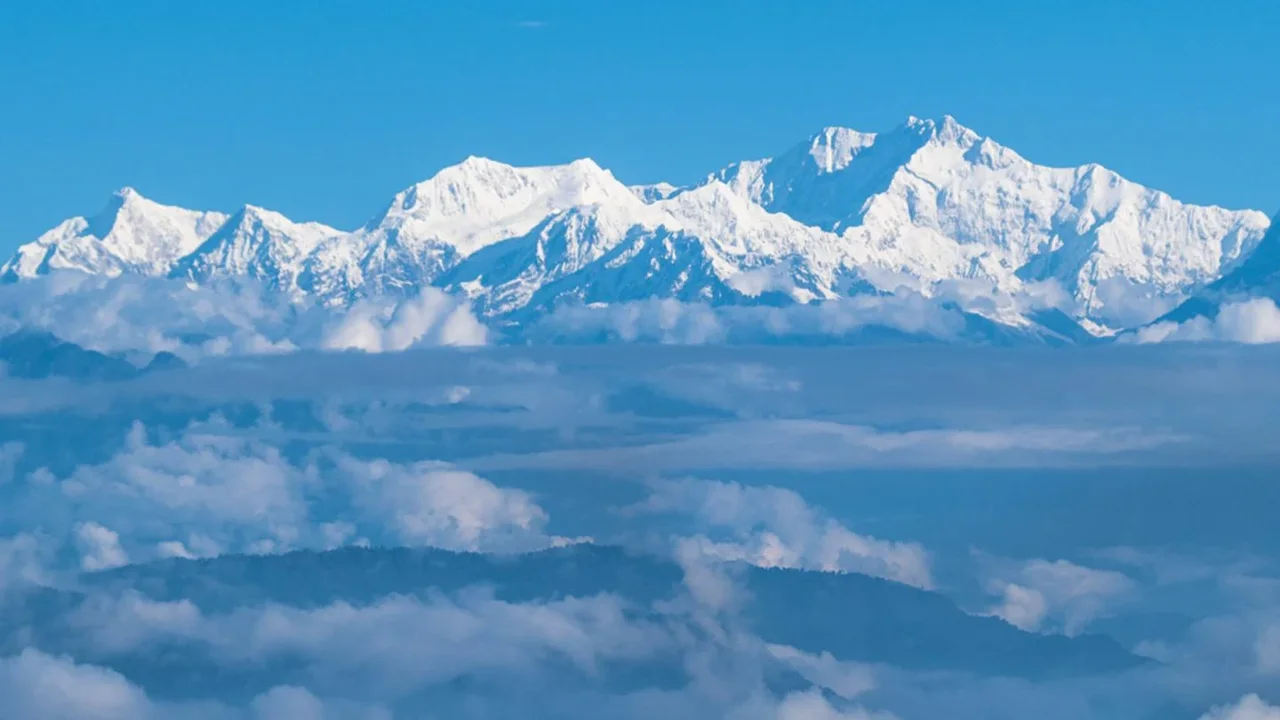
The ultimate reward for any traveller on this historic railway is the view of Kanchenjunga. Standing majestically at 8,586 metres, it is the highest peak in India and the third highest on Earth. However, this magnificent sight is notoriously shy, often veiled by clouds and mist, especially during the monsoon season. The phrase "when skies clear" is a crucial caveat. The most celebrated viewpoint along the route is the Batasia Loop. Here, the train completes a full 360-degree spiral around a beautifully manicured garden and a war memorial dedicated to Gorkha soldiers. On a clear morning, as the train circles the loop, passengers are treated to a panoramic vista of Darjeeling town with the colossal snow-capped peaks of Kanchenjunga standing sentinel in the background. It's a fleeting, almost magical moment that makes the entire journey worthwhile.
Timing Is Everything
To maximize your chances of seeing Kanchenjunga, planning your trip for the right season is essential. The monsoon months, from mid-June to mid-September, are typically characterized by heavy rain and persistent cloud cover, making mountain views extremely rare. The best viewing windows are during the autumn and spring. The post-monsoon period, particularly from October to December, is considered the prime time. The rains wash away the haze, leaving behind crisp air and brilliantly clear skies. Morning rides are highly recommended as visibility is often at its best before afternoon clouds roll in. The spring months, from March to May, also offer good visibility and have the added beauty of blooming rhododendrons. During these peak seasons, it is crucial to book your toy train tickets well in advance, as they sell out quickly.
Planning Your Ride
The most popular service for tourists is the 'Joyride', a two-hour round trip that runs from Darjeeling to Ghum station and back. Ghum is India's highest railway station, and the stop there often includes a visit to the DHR museum. This shorter journey covers the most scenic sections, including the iconic Batasia Loop. For a more immersive experience, the full line runs from New Jalpaiguri (NJP) in the plains all the way to Darjeeling, though this service can be subject to disruptions like landslides, especially around the monsoon. The Darjeeling Himalayan Railway has also introduced services to enhance the tourist experience, including Vistadome coaches with panoramic windows and even special dining charters. Regardless of which service you choose, aim for a window seat to get the best, unobstructed views of the Himalayan landscape unfolding before you.