








As smog descends on Delhi, the familiar scratchy throat and cough send many searching for relief. The instinct is to reach for a traditional home remedy, but not all 'cures' are created equal. Some may offer no help, and others might do harm.
Why We Turn to Home Remedies
When your
throat feels like sandpaper from breathing polluted air, reaching for a homemade 'kadha' or herbal mix feels proactive and comforting. These remedies, often passed down through generations, promise natural relief from the constant irritation caused by pollutants like PM2.5. The appeal is understandable; they are accessible, inexpensive, and rooted in tradition. In a city grappling with an annual air quality crisis, the desire for a quick fix is strong. People naturally seek comfort in familiar solutions like ginger tea or turmeric milk, believing they can counteract the effects of the toxic air. But it's crucial to distinguish between what soothes and what falsely claims to cure.
Myth: You Can 'Detox' Your Lungs with a Drink
A persistent myth is that certain foods or drinks can 'cleanse' or 'detoxify' the lungs of pollutants. The reality is that no tea, spice, or superfood can remove the microscopic PM2.5 particles that lodge deep in your respiratory system. These fine particles are so small they can even enter the bloodstream, causing inflammation and a host of health issues beyond a simple sore throat. While some ingredients have anti-inflammatory properties, their effect is largely superficial, providing temporary relief to the throat lining, not a deep cleanse of the lungs. The body’s natural defence mechanisms work to clear these particles, but they can be overwhelmed during periods of severe pollution.
Soothing vs. Curing: What Actually Helps
The key is to focus on soothing symptoms and reducing further irritation. Many doctor-approved remedies work by providing a comforting coating to the throat or by keeping it moist. A saltwater gargle is a time-tested method to reduce throat inflammation. Honey has also been found to be effective in easing coughs, as its thick texture coats the throat and calms the cough reflex. You can take a spoonful of honey directly or add it to warm water or herbal tea. Similarly, staying well-hydrated with warm fluids like water, herbal teas, or clear soups helps keep the airways from drying out and becoming more irritated.
Remedies to Use with Caution
While many natural ingredients are harmless in moderation, some popular remedies come with caveats. The FDA does not regulate herbs and supplements, meaning their quality and purity can vary. Some herbs can interfere with prescription medications or cause unwanted side effects. Even common ingredients can be problematic if overused; for example, too much acidic lemon juice can upset your stomach. It is also critical to never give honey to children under the age of one due to the risk of infant botulism. Self-medicating with antibiotics is another major pitfall; they are ineffective against viral infections or pollutionnduced irritation and should only be taken when prescribed by a doctor for a bacterial infection.
The Most Effective Strategy: Reduce Your Exposure
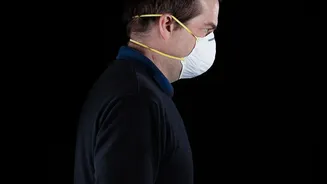
Ultimately, the best defence is to minimize your exposure to polluted air. Medical experts unanimously agree on this point. This means checking the Air Quality Index (AQI) daily and limiting time outdoors on 'severe' days. When you must go out, wearing a well fitting N95 or KN95 mask is essential, as cloth or surgical masks do not adequately filter out PM2.5 particles. At home, keeping windows closed and using an air purifier with a HEPA filter can create a 'clean room' where your body can recover. Avoiding indoor smoke from incense or other sources is also recommended.
When to See a Doctor
Home remedies can only do so much. It's important to recognize warning signs that require professional medical attention. If your sore throat is severe, persists for more than a week, or is accompanied by difficulty breathing, wheezing, chest tightness, or a high fever, it's time to consult a doctor. Difficulty swallowing or speaking in full sentences are also red flags that need immediate evaluation. A persistent cough lasting more than two or three weeks is another reason to seek medical advice, as it could indicate a more serious underlying issue exacerbated by the pollution.