




From Blossom to Bottle
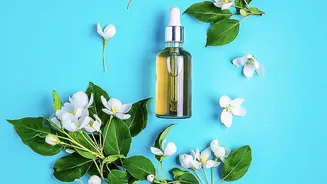
Neroli oil is an essential oil extracted from the small, white, waxy flowers of the bitter orange tree, scientifically known as Citrus aurantium var. amara. The process is meticulous: the blossoms are harvested and then quickly steam-distilled to capture
their precious volatile compounds. It’s an incredibly labour-intensive process that requires a huge quantity of flowers to produce a small amount of oil, making true neroli one of the more precious essential oils on the market. This same tree also gives us two other distinct oils: petitgrain from its leaves and twigs, and bitter orange oil from the peel of its fruit. However, it is the oil from the blossoms that carries the most coveted, complex floral aroma.
A Scent with a Royal History
The oil owes its name to a 17th-century Italian princess, Anne Marie Orsini, the Princess of Nerola. She famously adored the scent of the bitter orange blossom, using it to perfume her gloves, stationery, and bathwater, which helped popularize it among European nobility. Its association with purity also led to its use in bridal bouquets for centuries. Beyond its royal endorsement, neroli became a key ingredient in the original 'Eau de Cologne', cementing its place in fragrance history. This rich heritage adds a layer of timeless luxury to its modern-day applications in skincare and aromatherapy.
A Balancing Act for Your Skin
One of neroli oil’s most celebrated skincare benefits is its ability to balance sebum production, making it uniquely suitable for a wide range of skin types. For those with oily or combination skin, it can help regulate excess oil and reduce shine without stripping the skin of its natural moisture. This balancing act helps to keep pores clear and can reduce the appearance of breakouts. For dry or mature skin, neroli provides lightweight hydration, helping to lock in moisture and leave the skin feeling soft and supple.
Calming, Clearing, and Rejuvenating
Neroli oil is packed with beneficial properties that make it a multi-tasking hero. It possesses significant antimicrobial and anti-inflammatory qualities, which can help soothe irritation and reduce the redness associated with acne breakouts. It is often recommended for sensitive or reactive skin for its gentle, calming effect. Furthermore, some studies suggest that neroli oil can support skin cell regeneration. This ability may help improve skin elasticity and reduce the appearance of imperfections like fine lines, scars, and stretch marks over time.
More Than Skin Deep
The benefits of neroli oil are not just physical. Its aromatherapeutic properties are well-documented for having a calming effect on the mind. When inhaled, its scent is believed to help reduce feelings of stress and anxiety by promoting the release of serotonin and lowering levels of the stress hormone cortisol. This connection between scent and mood is a key reason why neroli is so popular in wellness-focused skincare. A skincare routine that smells incredible and helps calm your nerves offers a holistic experience that can improve both your skin and your overall sense of well-being.
How to Use Neroli in Your Routine
Incorporating neroli oil into your regimen is simple, as it’s found in a growing number of products like cleansers, mists, serums, and moisturisers. For a more direct approach, you can create your own facial oil by diluting a few drops of high-quality neroli essential oil into a carrier oil like jojoba or sweet almond oil. A standard dilution is 2-3 drops per tablespoon of carrier oil. This blend can be massaged into the skin after cleansing. You can also add a single drop to your favourite unscented moisturiser or cleanser. As with any essential oil, it's wise to perform a patch test on a small area of skin first to check for sensitivity.